

Last Updated on 27 January 2026 by Cycloscope
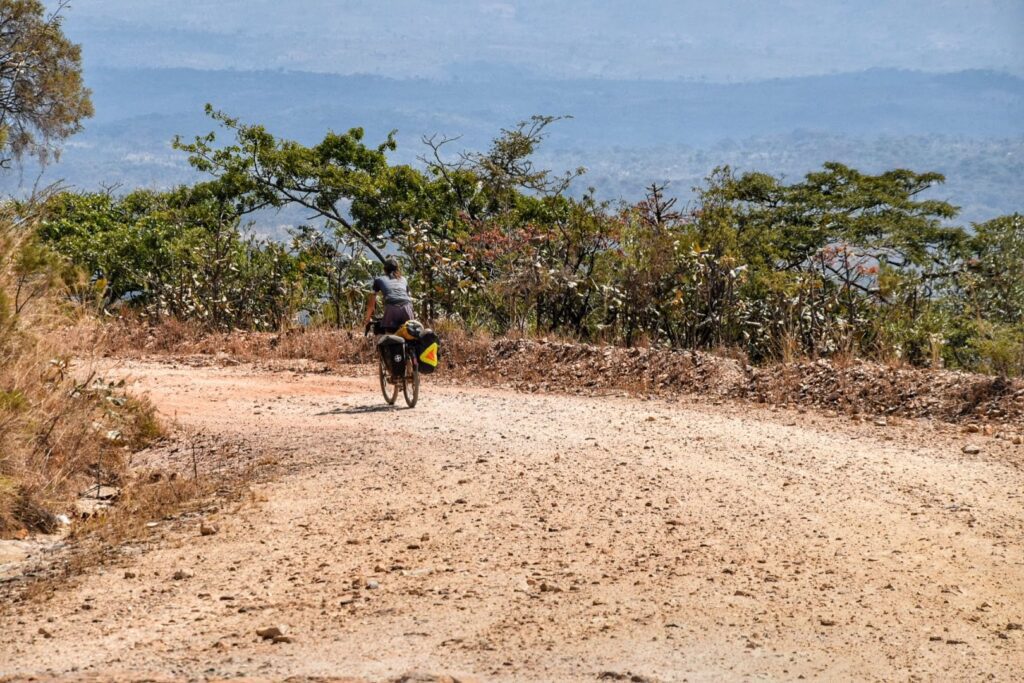
Cycling Malawi! A guide for bikepacking and cycle touring in Malawi, written by local ex-pats. The best bicycle routes in North and South Malawi + lots of info
Looking for the best bikepacking destination in Africa? Come cycling in Malawi! Compact and diverse, Malawi is one of the most beautiful countries in Southern Africa and a perfect place for bicycle touring.
Disclosure: Some of our articles contain affiliate links. This comes at no additional cost for you and helps us keep this website up and running. (as Amazon Associates we earn commission from qualifying purchases)
Although relatively small, Malawi offers many scenic roads and a high density of tourist attractions, making cycling a great experience.
The pristine waters of one of the biggest lakes in the world, its lively beaches, its lush mountains, plateaus, and its ancestral and fascinating culture.
We cycled almost everywhere in Malawi. We lived in Malawi for more than 2 years, hosting cyclists through Warmshowers and the Cape to Cairo Whatsapp group – all the info here is first-hand and 100% verified.
Geography of Malawi
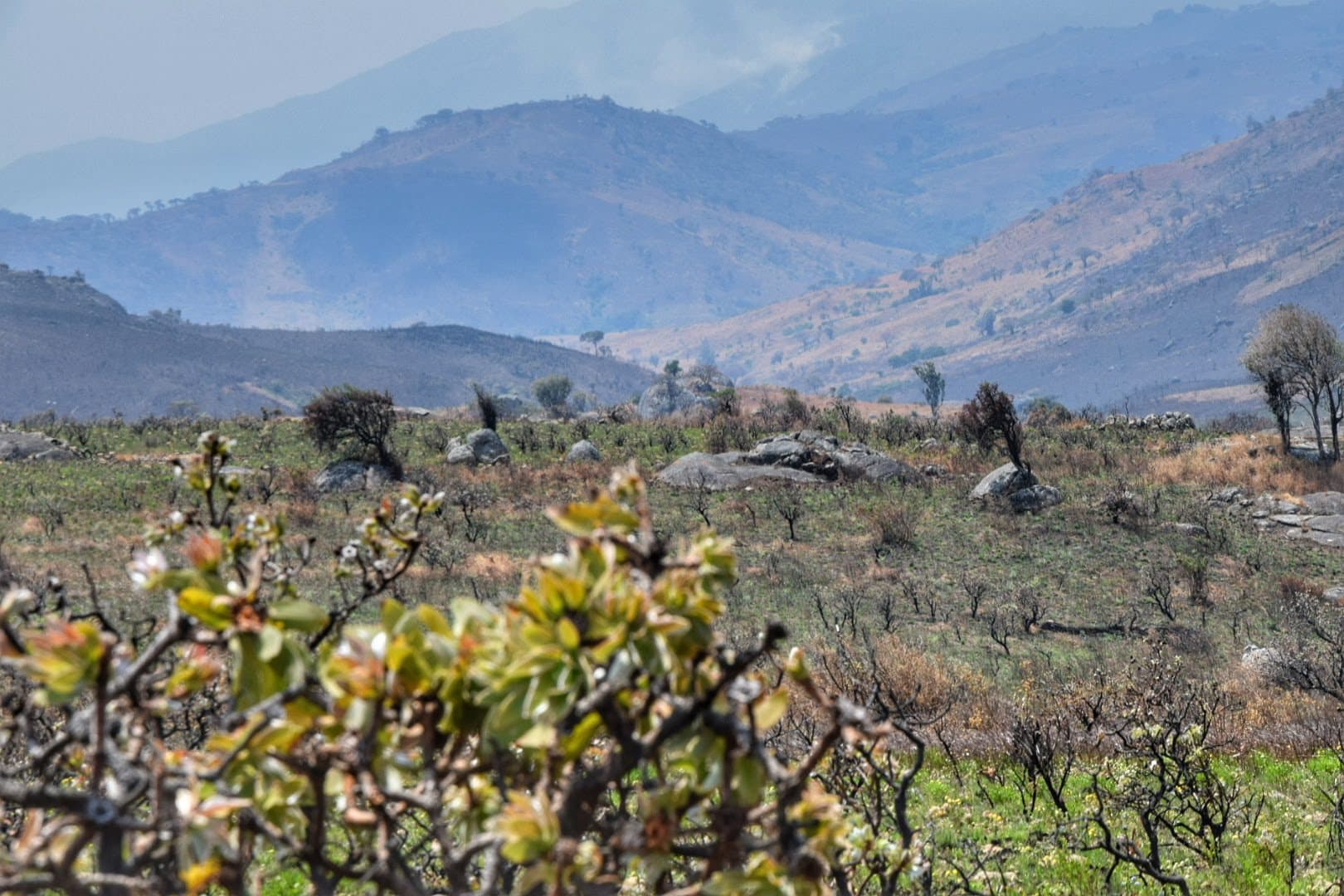
Malawi is dominated by its unique lake (more about it later), but that’s not the only interesting geographical feature of this small landlocked country. Malawi’s geography is pretty diverse for such a small country.
The whole nation constitutes the southernmost branch of the Great Rift Valley, which is a sort of geological wound, like an immense scar, extending from Lebanon to here, which will, in the distant future, separate the African plate into two distinct ones
The western area, from Lilongwe to Mzuzu, lies entirely above 1000 meters on the Southern African Plateau. The vegetation is bushy but greener and lusher than in Zambia.
South-Eastern Malawi has lower altitudes, with Lake Malawi at its lowest and the solitary peak of Mulanje as the highest point in the country. The small plateau of Zomba is another notable feature, point of interest, and tourist attraction of Southern Malawi.
In the northeast of the country, the mountainous Nyika National Park dominates the landscape with its unique grassy terrain.
This massif drops quite abruptly into the lake, lush tropical vegetation wet with plentiful streams, especially of course in the rainy season. This is one of the most beautiful parts of Malawi.
Lake Malawi
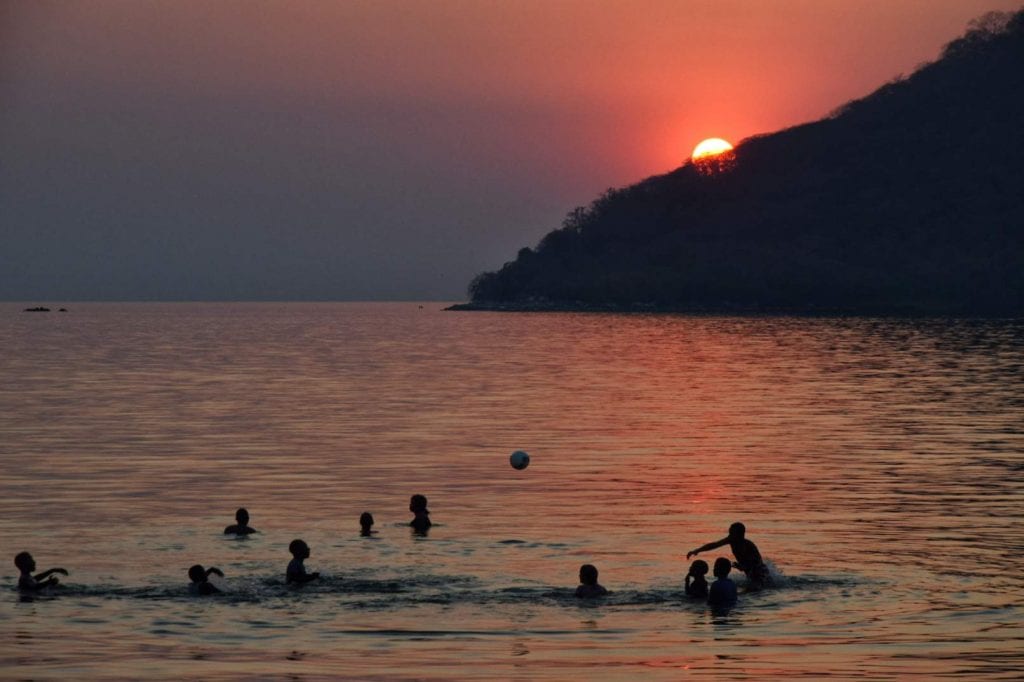
Lake Malawi, also known as Lake Nyasa or Niassa, deserves a separate mention. About 580 kilometers (360 mi) long and 75 kilometers (47 mi) wide at its widest, with a total surface area wider than the island of Sicily, Lake Malawi is the fourth largest freshwater lake in the world by volume, the ninth by area, and third by depth (706 m/2,316 ft).
Lake Malawi is a well-kept jewel that should be included in any cycling itinerary of Malawi. Lake Malawi’s shores are still pristine, and the touch of its people is still gentle.
Almost untouched beaches, spectacular rocky shores, and a thriving fishing culture in a unique and diverse mix of baobab-covered bush and subtropical jungle make Lake Malawi one of Africa’s most beautiful gems.
Although we haven’t included it in our suggested cycling routes, a great way to experience Lake Malawi is to sail on the historical Ilala Ferry at least once.
Read more about
> MV Ilala Ferry – the Terrific Boat of Lake Malawi: the Ultimate Guide
You could also consider bringing your bike to the small but magnificent islands of Likoma and Chizumulu.
Learn more
> Likoma Island LOCAL’s GUIDE [Things To Do – Facts – Photo Gallery]
Learn more about the unsolved mystery of the Malawi cichlids in our post about
Bikepacking North Malawi
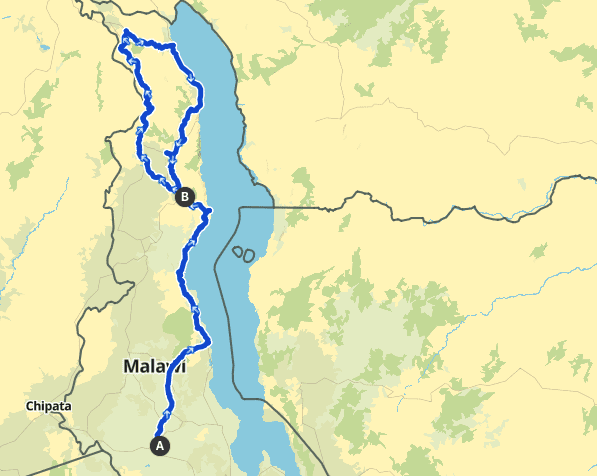
North Malawi is where we live, and it is our favorite part of the country. The cycling route we propose here is quite challenging, with about 50% of the route unpaved and some very steep climbs.
1. From Lilongwe to NkhotaKota – 175km
Lilongwe could be a fun city if you know someone there who can bring you around to the interesting venues. If you don’t know any locals, use Lilongwe just as a base to stock up on food essentials for your trip.
Hit the M1 main road, but then immediately leave the hustle and bustle behind by turning right on the M7.
Here, you’ll pass by Dzeleka, the biggest refugee camp in East Africa, a very interesting place full of creative initiatives. Dzeleka is definitely worth a stop. Contact them via Instagram to arrange a visit.
From Dzeleka to Nchisi is a nice scenic ride along the relatively quiet M7. Here, you could take a detour towards the forest lodge. It’s possible to get all the way down to the lake shore through tiny country paths, but we’ve never done it.
Instead, we recommend proceeding to Mbobo and the gates of Nkhotakota Wildlife Reserve. This park is a densely forested hilly area home to elephants, hyenas, and a few rare leopards.
You’ll have the chance to spot the Southern Ground Hornbill, one of the biggest hornbills and the national bird of Malawi.
Although not dangerous, cycling in the Nkhotakota Wildlife Reserve is forbidden. Some riders managed to cycle across, but most times, you’ll need to wait for a pick-up to give you a ride, not a long wait, as this is the main connection road between Kasungu and Nkhotakota.
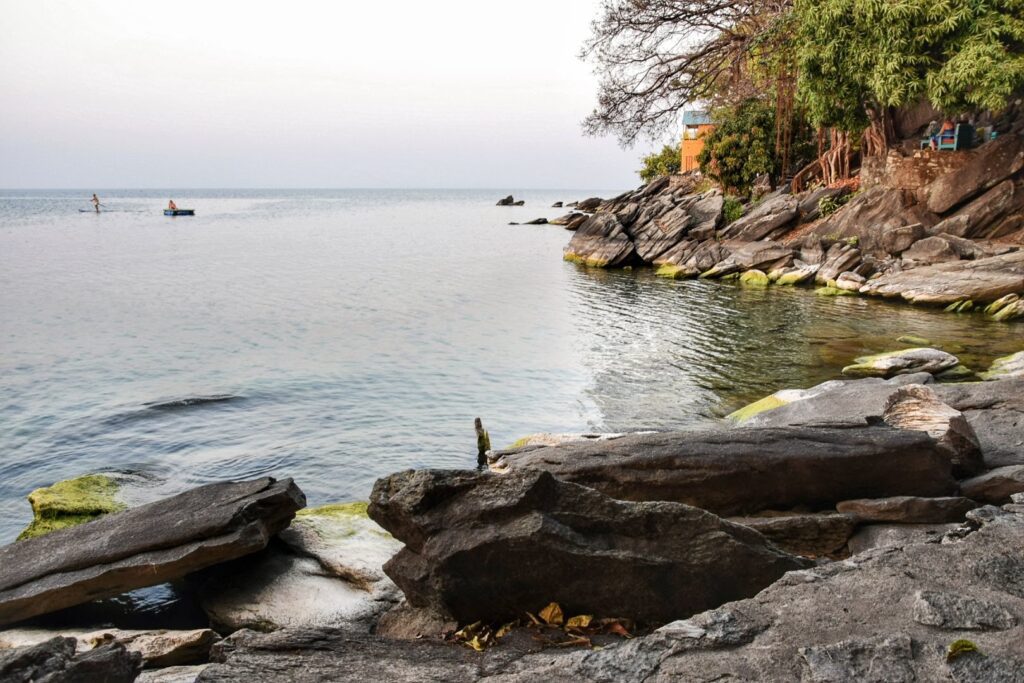
2. From Nkhotakota to Nkhata Bay – 200km
A beautiful and easy lakeshore ride, this will be the most relaxing section of your route. Although the surface is not in great condition for the first 50-something km, it improves a lot once past the Illovo sugarcane plantations.
You’ll have views of the lake, the forested mountains on your left, and lush vegetation and bustling village life all around you.
If you want to treat yourself to a nice lakeshore place, we recommend either Ngala Lodge (which usually offers good deals to bike travelers) or Makuzi Beach (probably the best beach on this side of Lake Malawi).
Nkhata Bay is the prime destination on the North shores of the lake, a small but very vibey town where you might end up spending a few days. The lake is crystal clear, and there are great opportunities for snorkeling and even diving.
We recommend staying either at Mayoka Village (more pricey, but you can get SUP, kayaks, and snorkeling gear for free) or at Butterfly Space, which is very vibey, especially on the weekends – the two places are just next door, so you can easily move from one to the other.
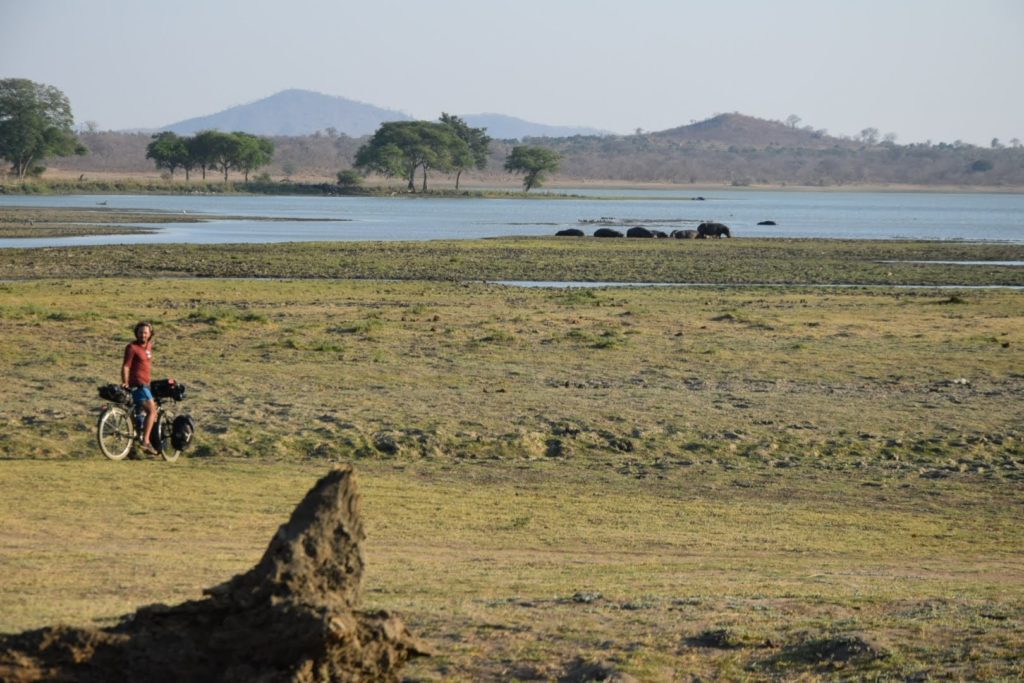
3. From Nkhata Bay to Vwaza Marsh National Park – 110km
From Nkhata Bay to Mzuzu is about 45km, starting with a relatively flat section before getting into the serious climbs, a total of 1000m gain. The road has good tar pavement and jaw-dropping views over the Kaningina Forest and the surrounding hilly farmland.
The alternative road through Chikwina is steeper and rockier; we advise trying it only if you’re going in the opposite direction.
Mzuzu is where we live, a nice, small city where you stock up on goods, extend your visa, and have some fun. Check out these nice things to do in Mzuzu (including single-track riding in the forest).
Going north from Mzuzu, you’ll reach Ekwendeni, where you can take the shortcut to Vwaza Marsh. This is mostly single-track; no cars can pass there. It’s quite a dry area but very quiet and not difficult to ride. If you want to stay on the train, it will take a bit longer, and the scenery isn’t great.
Vwaza Marsh is a small and very affordable wildlife reserve. The entry fee is 10 USD, and for the same price, you’ll get one of the cottages on the marsh to spend the night (camping is also 10$) – a bit run-down but cozy. Bring your own food.
4. From Vwaza Marsh to Nyika National Park – 88km
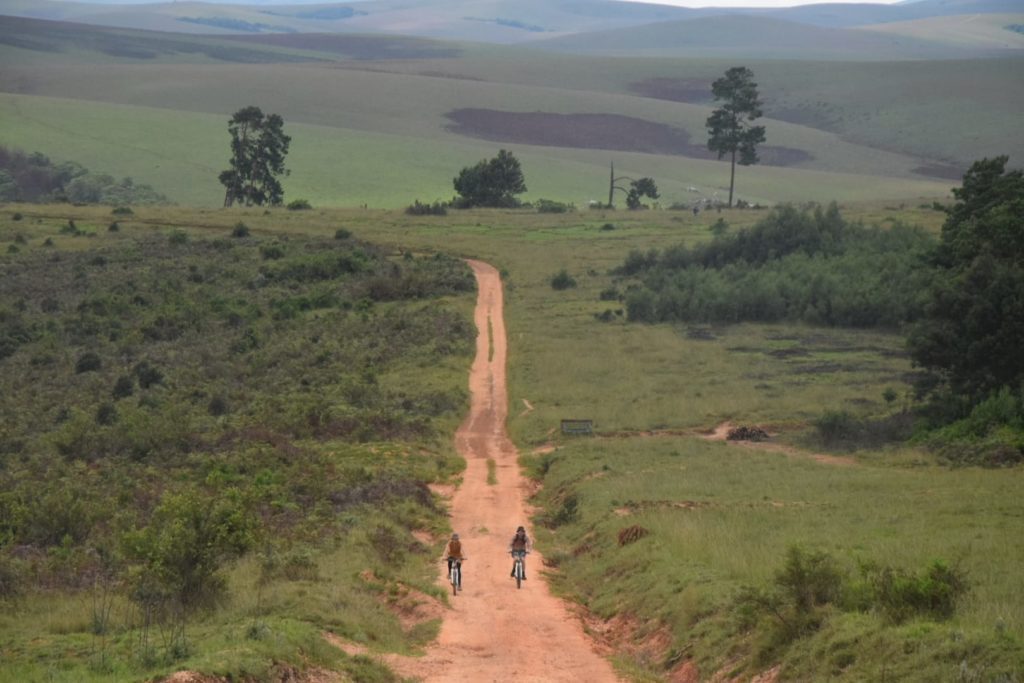
88km all on dirt roads, with 1,500 m of elevation gain, this is a hard section. Plus, if you want to spend the night in the Nyika NP (highly recommended), you’ll have to add 22 more challenging km to Chelinda Camp in the heart of the plateau.
We rode the first very tough section up to the park gate and camped there; this is what we advise anyone to do.
In this initial section through green tobacco plantations, we had to push the bikes several times, and if they got wet, the mud would be a problem as well. You’ll not be allowed to wild camp in Nyika.
After the gate, the road inside the park is made of decent compact gravel; the gradient is significant but absolutely rideable. The initial section of the park passes through the elephant sanctuary and a thick forest.
After that, you’ll find yourself above the tree line, where the vegetation and landscapes change completely.
You’re now up the plateau, and you’ll have to choose whether to head to the camp, thus exploring the most beautiful areas of Nyika, or continue straight and try to make it to the north exit in one day.
Getting to the camp is up and down and has a poor surface, but the scenery is totally worth it – you’ll also meet zebras and elephants on your way. At the campsite, watch out for hyenas at night, keep your food safe, and keep a fire going.
5. From Nyika to Karonga – 252km
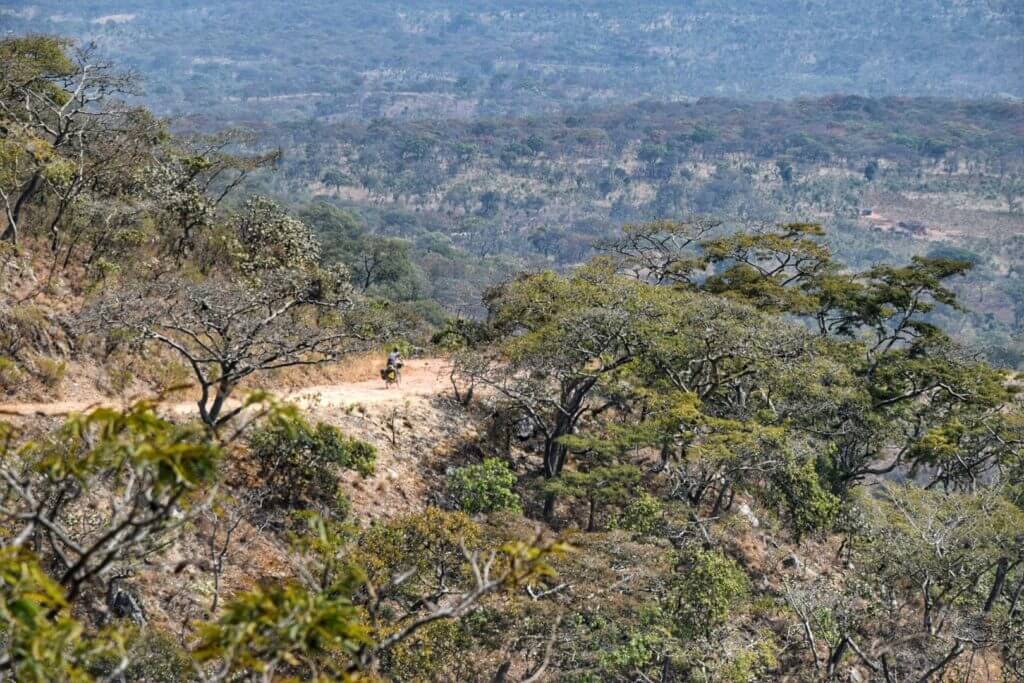
Get ready for another challenge. In this section, you’ll traverse the most remote regions of Malawi.
Getting down from Nyika Plateau is done through a steep and rocky series of hairpin bends, great scenery, and not too difficult on a bicycle, but you’ll overuse your brakes and have hand cramps.
In Ntalire, you can find basic accommodation. Here, you’ll have the choice between the long way to Chisenga or the “shortcut” going straight to Karonga – we chose the shortcut, but I assume we would’ve been faster doing the long way.
This shortcut is singletrack with a million river beds, meaning steep ups and downs all the time… no people around… a very crazy ride only for the bravest.
Otherwise, stick to the good dirt on the way to the Chitipa border, where you could cross into Zambia or Tanzania or get on the tar road leading to Karonga and the lake shore.
In Karonga, you can also head north and cross into Tanzania at the main border with Malawi.
6. Karonga to Livingstonia – 108km
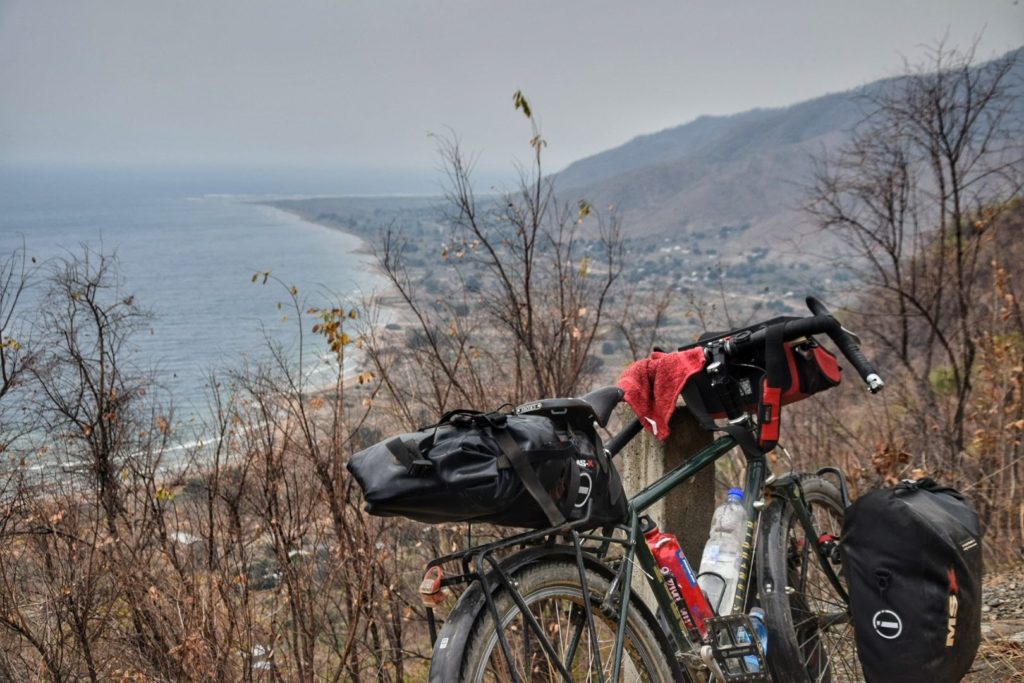
After all that bikepacking struggle, it was finally another easy cycling day along Lake Malawi’s shores. Flat and nice all the way to Chitimba, but with a final surprise. To get up to Livingstonia, you’ll need to face one of the toughest climbs in Malawi on one of the first roads ever built.
The steep and messy road is only about 14km, but it will take several hours on a loaded bike, with a lot of pushing.
We recommend stopping slightly past the halfway point at Mushroom Farm Eco Lodge. From here, you can hike to Manchewe Falls and/or the Chombe Plateau, both cool, easy walks.
Some prefer to use the old lakeshore road. In this case, you can leave your stuff at one of the campsites in Chitimba and hike or ride without gear to Livingstonia for a day trip – a good idea if you feel tired.
Livingstonia, the first colonial settlement in North Malawi, is an interesting town with great views.
7. Livingstonia to Mzuzu – 130km
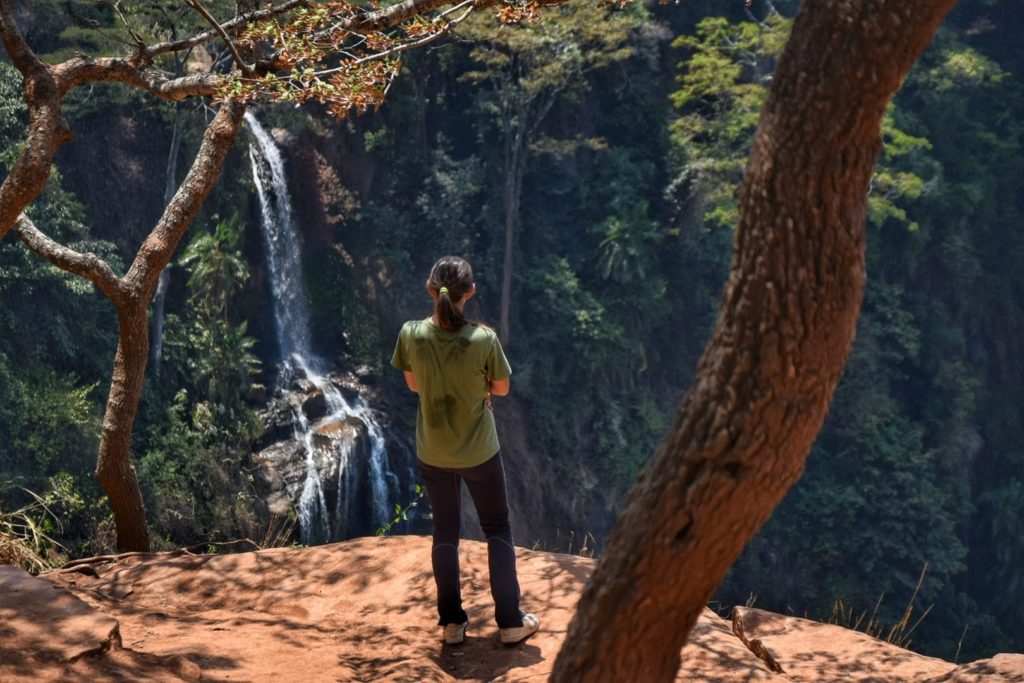
For this final section, we chose to lead you along the new backroad. This is being completed as I write; the actual conditions are 50% paved and 50% compacted. The road begins with two scenic but easy hills before getting flat.
Once back on the M1, a detour to Rhumpi is worth it. The road passes through a beautiful gorge with a rapidly flowing river, making it a good option to break the route into 2 days.
For the last part back to Mzuzu, you can choose to stay on the M1 (quite busy) or get on some village roads.
From Mzuzu, you can take a coach back to Lilongwe and fly out.
Bikepacking South Malawi
Although we’re big fans of the North, the South of Malawi also offers gorgeous sights and landscapes. This route could be used by those heading to Mozambique on a long-distance cycling route.
1. Lilongwe to Dedza – 93km
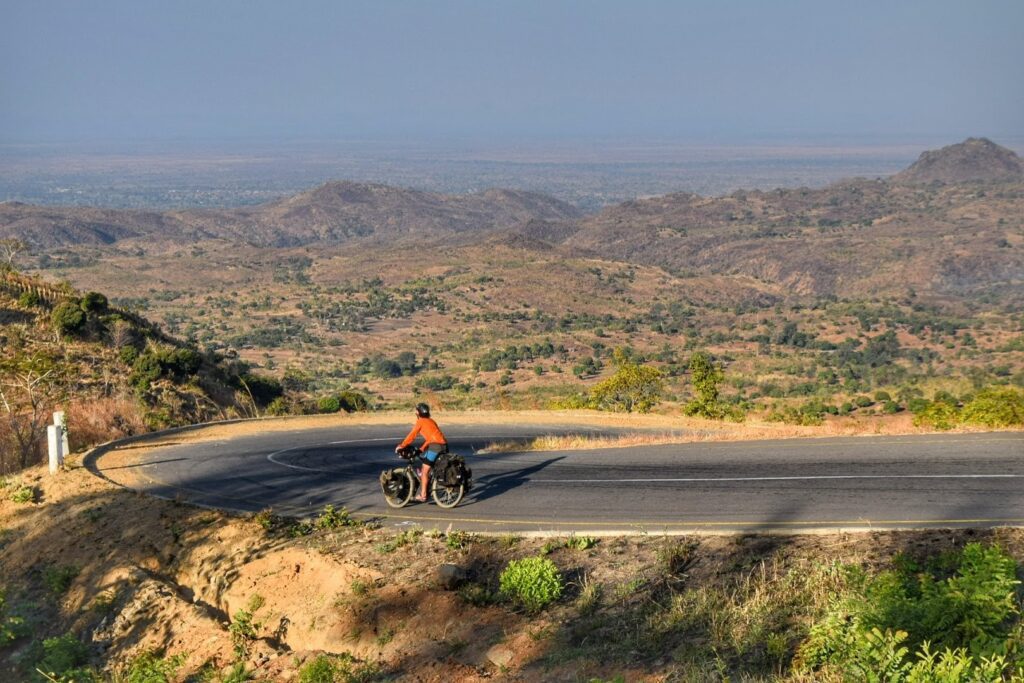
You could stay on the main road, but why would you? Cycling through the Malawian villages is much more fun! Follow the route by leaving the M1 and getting lost in the countryside.
Here’s where we bump across our first and biggest Gule Wamkulu. If you’re here in August, follow the masked people.
Dedza lies on the border with Mozambique, and it’s easy to find yourself on the other side unwillingly. In Dedza, there are ancient rock paintings, pottery, and a few good hiking opportunities.
2. Dedza to Cape Maclear – 126km
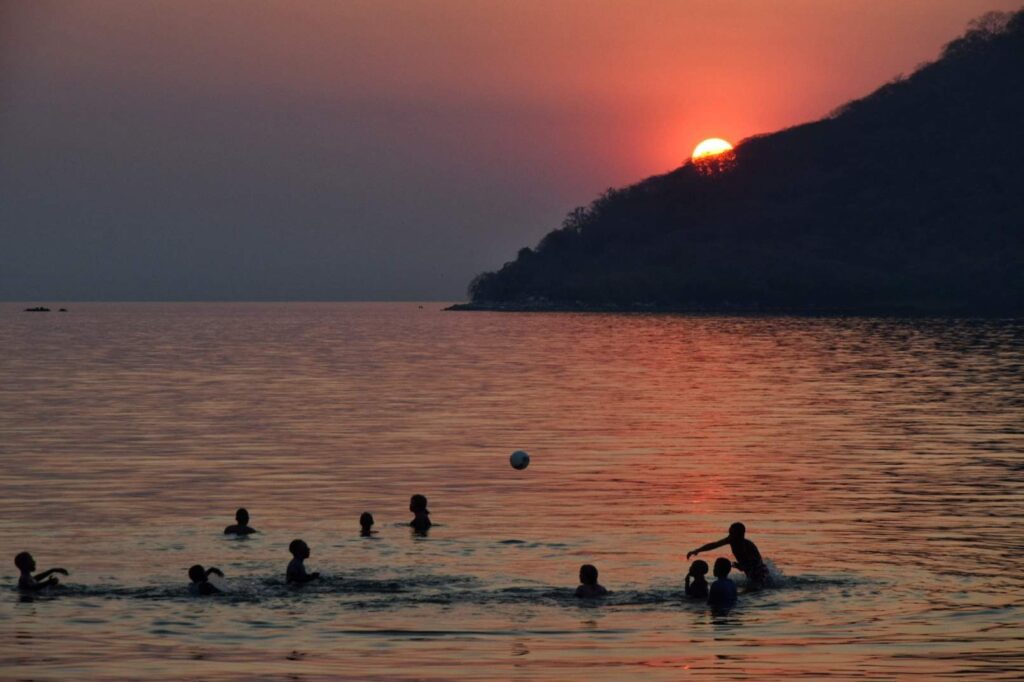
Leaving Dedza, you’ll have a fantastic cycling day ahead of you. The long downhill will bring you down the escarpment, a great point to understand what is meant by the Great Rift Valley. Here you can admire the clever irrigation system and the vast plain of South Malawi.
From Golumoti, you’ll get onto the road to Cape Mclear and Monkey Bay, which has quite a lot of potholes, but not a problem on a bicycle. You have the chance to shortcut it along the way, where you’ll ride some sandy tracks through fishermen’s villages.
Monkey Bay is the main port of the Ilala Ferry. Here, you could change plans and take the boat to Likoma or to somewhere north (Nkhotakota is a great choice), then join the north route described above. Monkey Bay is a crocodile area, especially in the dry season, so be careful when swimming.
To get to Cape Maclear, you’ll have to cycle up a short but steep hill, which is totally worth it. Cape Maclear is the most beautiful place on the southern shores of Lake Malawi, and it is worth spending a few days here. Cape Maclear is where I took my PADI diving license. It is a great place for beginners.
A visit to the Islands of Domwe and Thumbi is just a short kayaking distance away; they are very wild and beautiful.
3. Cape Maclear to Zomba – 260km
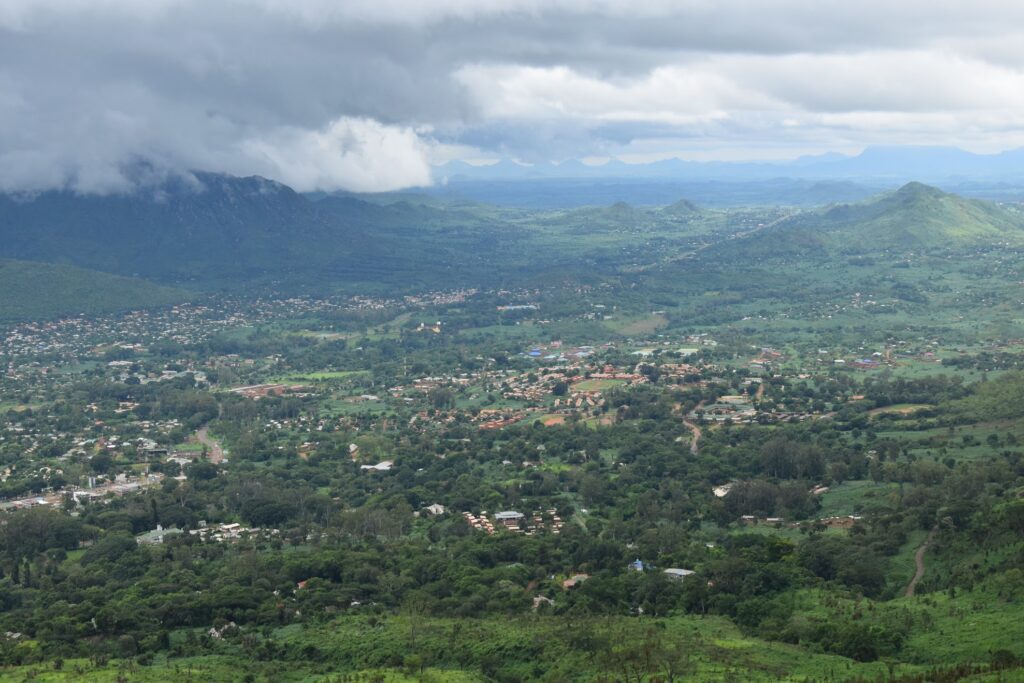
There are definitely shorter ways for cycle tourers to get from Cape Maclear to Zomba, since this route is quite short. We propose a longer route that lets the bikepackers get off the tar road and experience more rural Malawi.
This cycle route takes you around the Mangochi mountain reserve and along Liwonde National Park before traversing the beautiful valley of Machinga and arriving in Zomba.
Zomba town is located at the foot of the scenic Zomba Plateau, which is worth climbing up for the views and maybe some hikes.
4. The Mulanje Loop and Blantyre – 228km
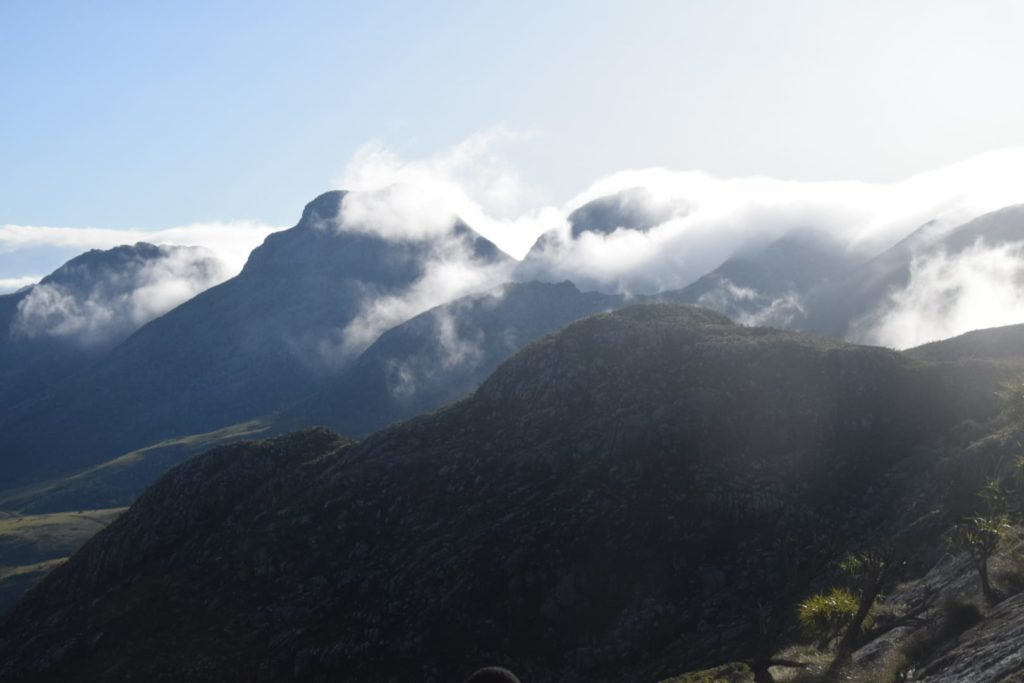
The final section of this Malawi cycle route brings you around Mt. Mulanje, a spectacular mountain massif and one of the highest peaks in Southern Africa.
Hiking Mulanje is a great experience and very affordable compared to other mountains in East Africa. Incredible landscapes and views, unique flora, freshwater streams, and waterfalls are everywhere.
The entry fee is 2 USD plus 1 USD per night to sleep in one of the many well-maintained mountain huts scattered atop the large massif. A guide costs less than 20$ per day for the whole group. We recommend contacting Travel with Mervis to arrange your hike in Mulanje.
Cycling the loop of Mulanje will bring you among tea plantations and forested patches, with the omnipresent views of the giant by your side.
Instead of heading straight to Blantyre, we recommend a detour through Thyolo, a very nice and underrated hilly area full of tea and tobacco.
Blantyre, Malawi’s second-largest city, is the final destination of this bike trip. There are a few cool places to visit in Blantyre, which is a vibey and interesting city.
From Blantyre, you can take a bus back to Lilongwe or fly from here; actually, Blantyre airport has more flights than the capital’s.
Local Guesthouses in Malawi
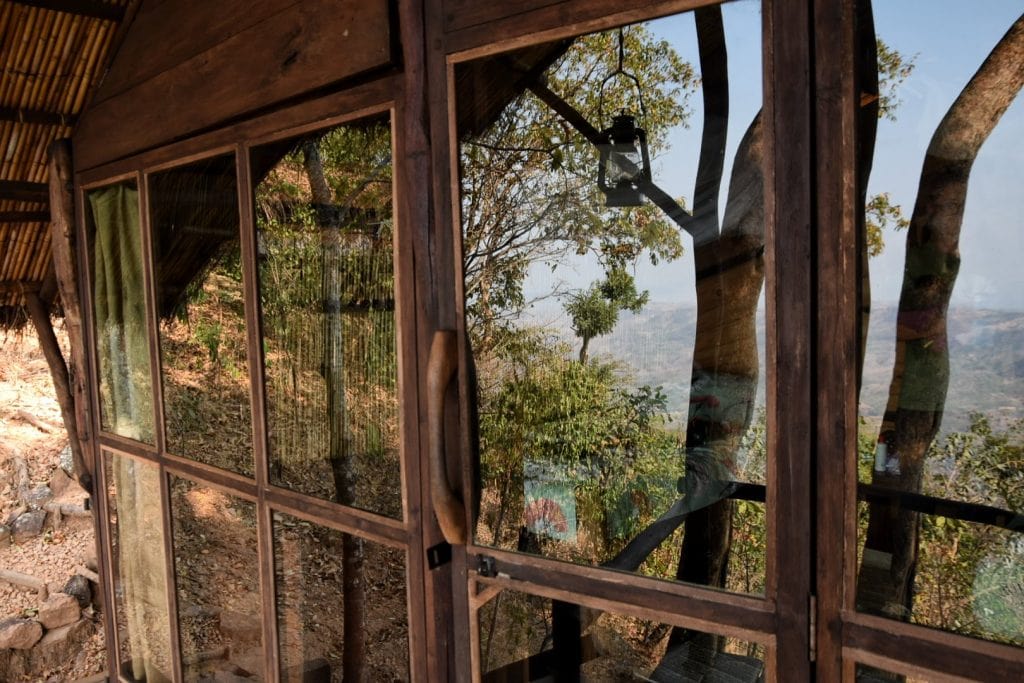
Guesthouses used by the local Malawians, called Rest Houses here, are much cheaper than backpacker lodges and often surprisingly good in value.
A double room with mosquito net and fan, en-suite bathroom, and usually a good, clean bed costs between 4,000 and 10,000 Kwacha (5$- 15$).
Malawian rest houses are everywhere; each decent-sized village has at least one or two. They usually don’t have food or drink, so you’ll have to rely on the nearby village. A good chance to experience Malawian life and food.
Wild Camping in Malawi
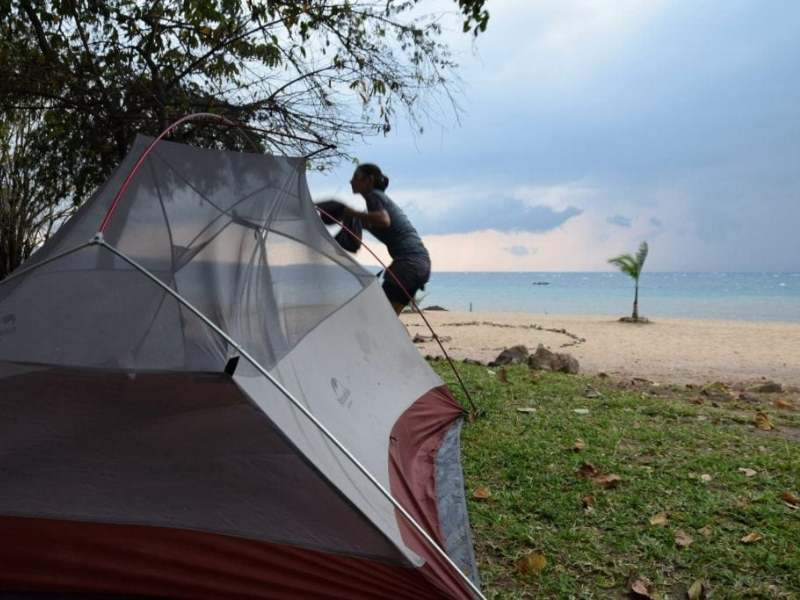
Malawi is a pretty densely populated country. It is quite hard to find an isolated, quiet spot for wild camping in the south, whereas it is easy and worthwhile in the mountains near Nyika.
Beaches, if they are accessible, always have a village nearby or at least some fishing activity. It’s advisable to ask permission from someone before camping on a beach.
Staying with Locals in Malawi
This works especially well for those cycling in Malawi (for every one cycle touring in Africa, actually). If you really are on a budget, you can always ask around a small village, a single homestead, or a compound to camp there.
Like everywhere in Africa, you’ll be treated as a guest, with a good chance of getting a bucket of water to wash yourself and the opportunity to talk and interact with the Malawians.
It’s basic etiquette to leave some money (better to give it to the women) and share some food if you have any.
Getting to Malawi
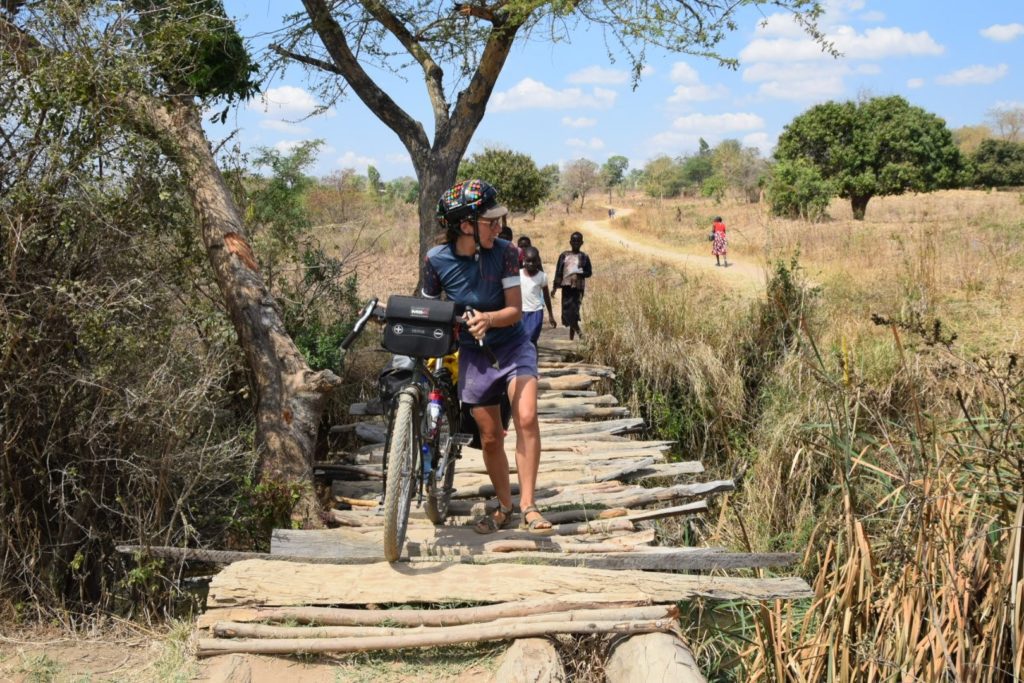
Malawi borders Tanzania, Mozambique, and Zambia – there are many border posts, and all of them issue visas on arrival. The main airports are Lilongwe and Blantyre; your best bet for international flights will be Lilongwe.
London is a good starting point for getting to Malawi via Johannesburg, South Africa. Daily flights are operated by South African Airways and British Airways, leaving London in the evening and arriving in Johannesburg the following morning.
Connections from Johannesburg to Lilongwe are operated by South African Airways, with daily service to Lilongwe and three times a week to Blantyre.
Other parts of Europe are well connected to Kenya Airways, flying via Nairobi, and Ethiopian Airways via Addis Ababa (great deals from Rome).
If you are coming from North America, you could fly directly to South Africa or pass through Europe (most likely London).
We recommend using Kiwi.com for such flight searches, as it is the most powerful option and offers the widest range of options. You can search flights straight from the link down here.
Climate and best times to visit Malawi
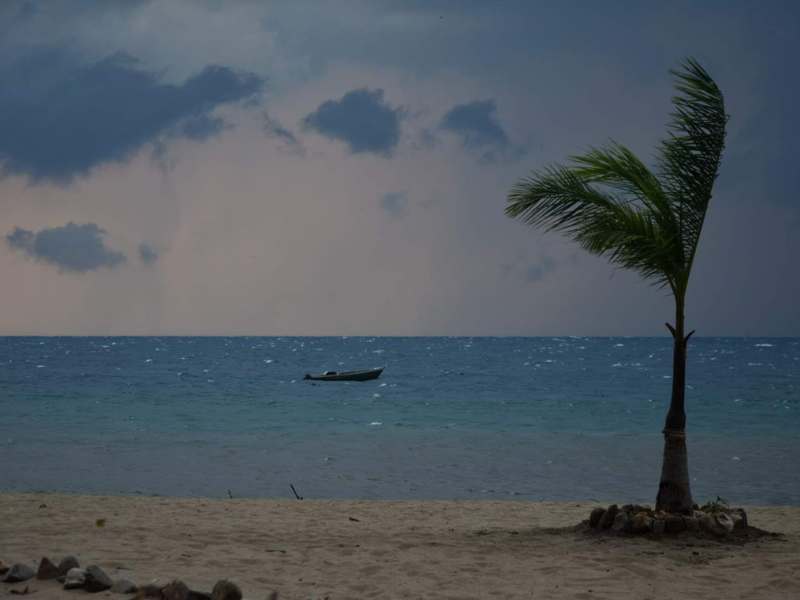
Malawi is a subtropical country lying in the Southern Hemisphere. Winter (June, July, and August) is very dry and moderately cooler. At high altitudes, it can get very chilly at night.
The westerly wind blows throughout June and July, sometimes strong enough to make the usually calm waters of the lake quite dangerous to cross. Winds usually calm down in late August.
Summer is the wet and hot season. The rains are heavy, especially in January, February, and March, but they continue throughout the spring until May.
The wet season, though, is a great time to visit Malawi, which is lush and verdant during these months. It’s pretty hot and humid down the lake, though.
Overall, there’s no best time to visit Malawi; it really depends on your preferences. It’s beautiful all year round. Cycling in Malawi, though, is definitely more convenient in winter because of the better road conditions and milder temperatures.
Food in Malawi
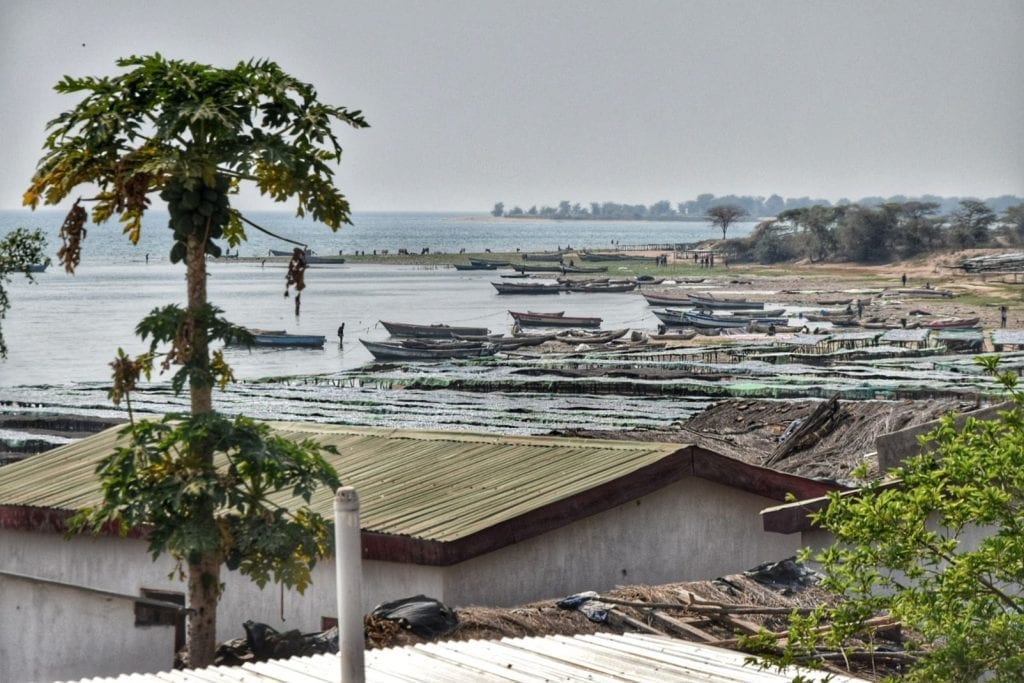
Agriculture in Malawi is more developed, and the land more generous compared to neighboring African countries, the food though is as monotonous as Zambia or Zimbabwe, Nsima (local maize meal) or rice with meat bites (usually goat or chicken) and vegetables – sometimes beans – that’s the average Malawian everyday diet.
A dish of Nsima and relish can get as cheap as 800 Kwatcha, and 2,000 Kwatcha in a better restaurant (where you’ll probably get more meat).
Muslims are a small but significant percentage of the population, so there are quite a few halal restaurants. Vegetarians will get Nsima with vegetables and sometimes eggs.
In backpackers’ accommodations and lodges, the usual international cuisine is served: hamburgers, omelets, pizza, and pancakes – quality varies from very poor to great, with prices from 3,000 to 10,000 Kwatcha or more for a dish (4$ to 15$). Fish is great around the lake (only chambo and butterfish)
Street food mostly consists of very widespread fried-potato stalls, cooked in an iron pan over a wood fire. They are often served with cabbage and tomato salad and are incredibly cheap.
The same style of cooking is used for the rarer pork meat – be careful with that, hygiene is not great, and meat is poorly preserved due to the lack of electricity.
Other super-cheap street snacks are samosas and fried dough balls, usually sold by roaming kids along the road.
The fruit is seasonal, with mango as the protagonist. Malawi is indeed covered with Mango trees. The Mango season starts in November. Besides mangoes, the usual bananas (many types), rare apples, and hard-to-find baobab fruit.
Connectivity in Malawi
WiFi in Malawi goes from very rare to non-existent. The only places with free wifi we could find are Mogza Lodge (a good location for digital nomads) and FuJa Camp in the north. Most of the other lodges have paid WiFi – usually 2,500 Kwatcha for 1 GB – even this is sometimes painfully slow.
The two mobile companies operating in Malawi are Airtel and TNM. Getting a local SIM card in Malawi is easy; the whole process takes about 20 minutes, and you’ll need to have your passport or a copy.
1 GB weekly is 2,500 Kwatcha with AirTel. We both had problems with our AirTel cards, but everyone else was fine. Network coverage is pretty good. TNM unlimited data is now available. TNM unlimited data is called Pamtsetse, 6000 kwacha weekly, 1000 daily.
Safety in Malawi
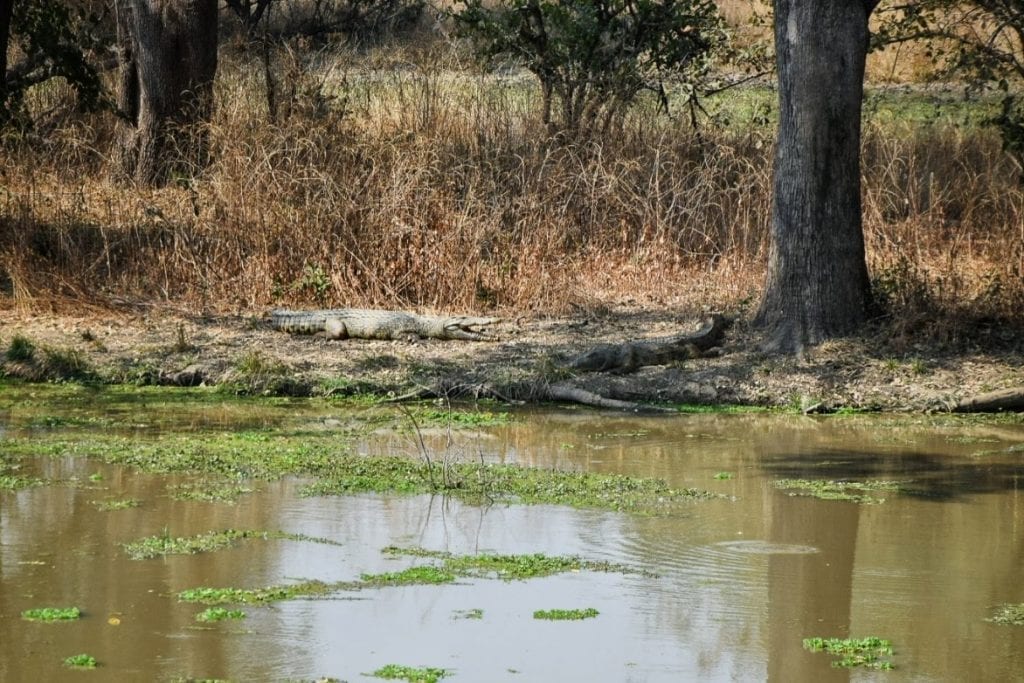
Thefts, robberies, or attacks are very rarely (if ever) experienced in this area. In general, the whole of Malawi is pretty safe for tourists if the obvious precautions are taken. Using a good anti-theft backpack is a good idea, especially when traveling by public transport.
Scams happen, but usually they’re just overcharges for a product or service. If you want to buy souvenirs or go on an “unofficial” tour, try to gauge a fair price by asking around. Always bargain reasonably and never accept the first price.
Crocodiles and Other Dangerous Wild Animals in Malawi
The real dangers of Monkey Bay and Cape Maclear belong to the animal kingdom, specifically to the world of big creatures and those of the very small ones. The smaller one is actually the most dangerous
Despite what Malawians and lodge managers say, crocodiles are very common on Lake Malawi, especially in the South.
We heard of three Malawian people killed in the last month in the Cape Maclear area, and we also got to personally experience the thrill of meeting a big “presidential” croc at about 3 meters distance.
Even though it is far from being considered “infested,” crocodiles and hippos are a real concern in Lake Malawi that you should be aware of.
The government and tourism operators are trying to hide the real numbers, but do not trust them. Always be careful in shallow waters and isolated areas of the lake, especially when kayaking. Getting attacked while swimming from a busy beach, though, is almost impossible, so enjoy it.
Bilharzia in Lake Malawi
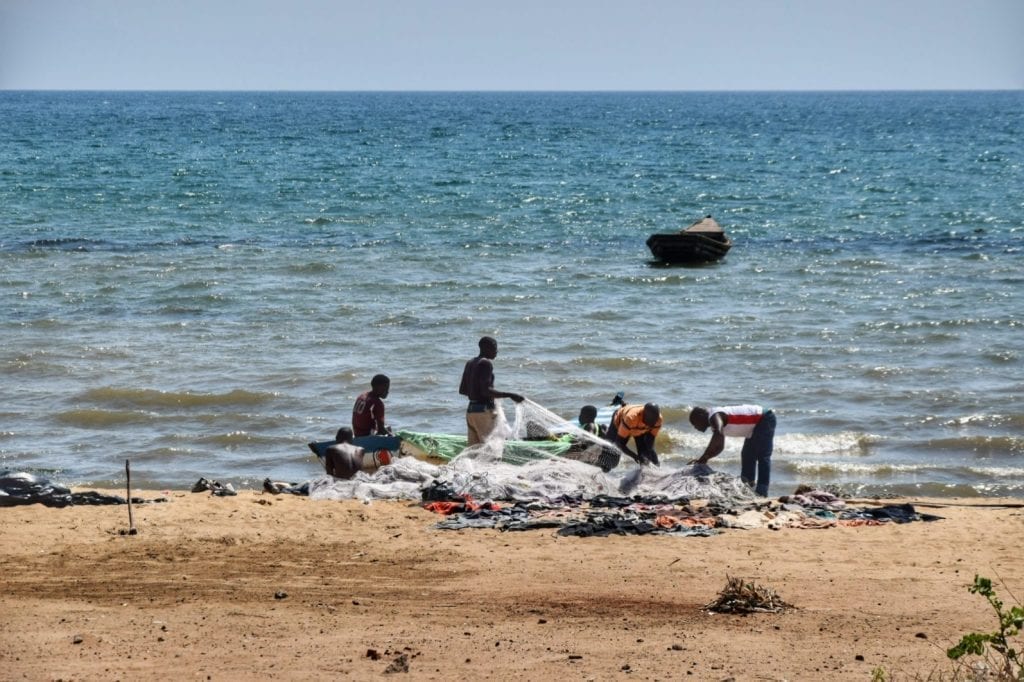
Some areas of Lake Malawi are contaminated by a creepy parasite. Bilharzia, also known as snail fever or schistosomiasis, is a disease caused by parasitic flatworms called schistosomes.
The disease is spread by contact with fresh water contaminated with the parasites. These parasites are released from infected freshwater snails.
The urinary tract or the intestines may be infected. Symptoms include abdominal pain, diarrhea, bloody stool, or blood in the urine.
Those who have been infected for a long time may experience liver damage, kidney failure, infertility, or bladder cancer. In children, it may cause poor growth and learning difficulties.
All these might seem scary, but actually, bilharzia is a very remote danger to the well-informed tourist. First of all, bilharzia is very easy to treat – be sure to buy one of the two drugs available, praziquantel or oxamniquine, available at any Malawian pharmacy.
Those medicines, especially praziquantel, are 100% effective and very safe for the body; you’ll have to take your dose in one go, six weeks after your last contact with lake water.
If you don’t want to assume a drub without being sure you need it, you can get tested for bilharzia at any hospital in Malawi.
With the stringent control policy recently adopted by the Lake Malawi National Park authorities, bilharzia incidence in Cape Maclear has been greatly reduced.
Monkey Bay, on the other hand, still has it. In non-touristic areas of the southern part of the lake, the incidence remains high.
Anyway, don’t let bilharzia scare you and ruin your enjoyment, just treat it after you leave the lake, and you will most likely never ever feel any of its effects.
Malaria in Malawi
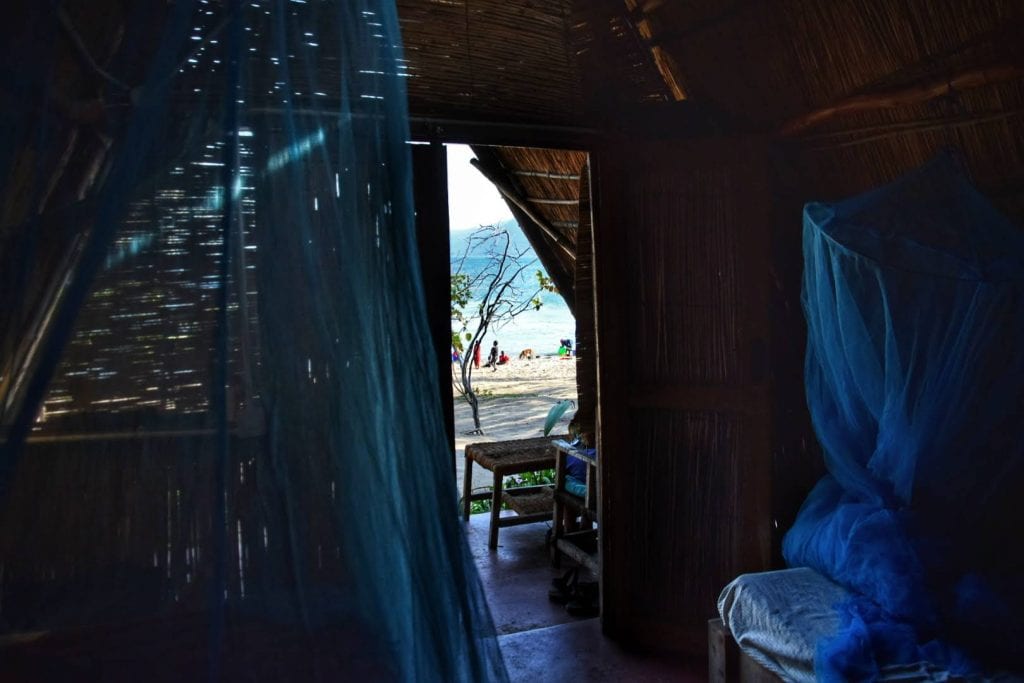
Malawi is one of the countries with the highest number of malaria cases in the world. On the lake and lowlands, risks are pretty high even in the dry season, while at altitudes above 1,200 meters, the dangers are reduced, although still present.
As you should know, there is still no vaccine for malaria, although one has been tested recently, so the only way of avoiding the nastier forms of malaria is by taking prophylaxis.
Keep in mind that taking malaria Prophylaxis won’t prevent you from getting malaria! What prophylaxis does is protect from the most deadly forms (like brain malaria) and to soften the symptoms if you get it – Elena got malaria in Congo while taking the prophylaxis!
Moreover, most doctors do not recommend taking any malaria prophylaxis for more than three months in a row because the drug could permanently damage the body. If your stay is short-term, though, we definitely advise taking malaria tablets.
If you don’t want to take the prophylaxis, be sure to cover your body at dusk and spray a ton of repellent. Look for guesthouses with mosquito nets.
We recommend buying some Cortem for emergencies, but it’s best to head to one of the many local clinics if you feel sick. Go as soon as you exhibit the first symptoms – they’ll test you for free and treat you for cheap; no one knows malaria better than those doctors.
If you are traveling in remote areas, consider buying a self-diagnosis malaria kit to test yourself; those are said to be reliable. If it’s positive, get to a health center as quickly as possible or take your Cortem.
Cycling Africa? Check Also:
- Cycling South Africa: the complete guide and itinerary (40k words!)
- Lesotho: a Road Trip Through the Kingdom of the Sky – Full Itinerary and Lots of Info
- Bikepacking Namibia: 2 Namib Desert Cycle Routes + Info
- Cycling Zambia – Bikepacking The Great East Road
- “In Malawi” – the Most Complete Malawi Travel Guide on the Web
- Cycling Mozambique – Our Guide and Road Trip Itinerary
- Cycling Zimbabwe: guide, tips, and our itinerary with GPX track
- Cycling Tanzania: Bikepacking & Cycle Touring Routes