

Last Updated on 3 March 2026 by Cycloscope

Why everyone should visit Asia at least once: 10 reasons from 5 years of travel – festivals, food, affordability, spirituality, and the transformative vibe that changes you forever.
We lived and traveled in Asia for five years, and here are the reasons everyone should visit at least once in their lifetime.
Disclosure: Some of our articles contain affiliate links. This comes at no additional cost for you and helps us keep this website up and running. (as Amazon Associates we earn commission from qualifying purchases)

The Asian continent is vast and incredibly diverse, yet there’s a similar vibe that runs through many countries — something you begin to absorb over time. Of course, there are exceptions; you could say that India and Japan, for example, don’t have much in common.
Yet even in those differences lies part of the magic: Asia never lets you settle into one single impression, constantly surprising you with its layers and contradictions.
1. Cultural Diversity You Can’t Find Anywhere Else
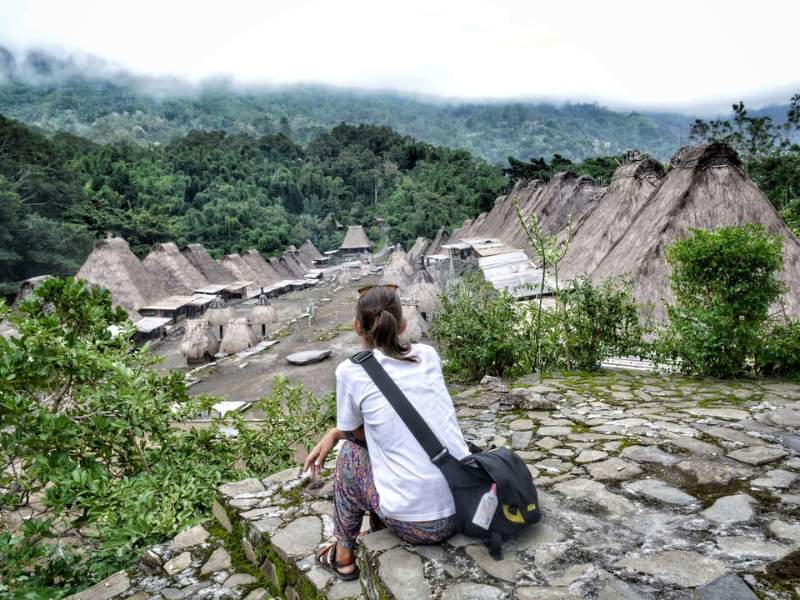
Asia’s cultural tapestry is unmatched in its depth and variety — a true melting pot where ancient civilizations, thousands of ethnic groups, and multiple major religions coexist and intermingle.
You can witness Buddhist temples with intricate carvings in Thailand or Japan, participate in vibrant Hindu rituals along the Ganges in India, admire stunning Islamic architecture in mosques across Malaysia or Indonesia, and explore Confucian heritage in temples and palaces in China or Korea — often all within the same country or even the same city.
In places like Indonesia, the world’s largest Muslim-majority nation, you’ll find Hindu-majority Bali with its elaborate ceremonies alongside Islamic traditions on Java. Singapore blends Chinese, Malay, Indian, and Peranakan influences seamlessly, while Myanmar mixes Buddhist pagodas with animist practices among hill tribes.
This incredible mosaic isn’t just about sightseeing; it’s about experiencing how diverse traditions shape daily life, art, language, cuisine, and festivals. No other continent offers such a concentrated explosion of cultural layers, making every journey a profound lesson in human heritage and harmony amid differences.
2. World-Famous Festivals

Asia celebrates life with an intensity and color that’s hard to match elsewhere — festivals here aren’t just events; they’re full-sensory immersions that draw millions and transform entire cities or villages. These celebrations honor everything from religious devotion and seasonal changes to harvests, folklore, and modern creativity.
We’ve personally witnessed some of the most unforgettable: the chaotic joy of Holi in India and Nepal, where streets erupt in clouds of colored powder and people dance through the day in pure exuberance; traditional matsuri in Japan like those in Shirakawa-go or the spectacular ones along Lake Biwa; Korea’s wild Boryeong Mud Festival, where thousands cover themselves in therapeutic mud amid music and games; and the intense warrior rituals of Pasola on Sumba, Indonesia, featuring spear-throwing horseback battles tied to ancient beliefs.
3. Affordable Daily Life + Cheap Transport
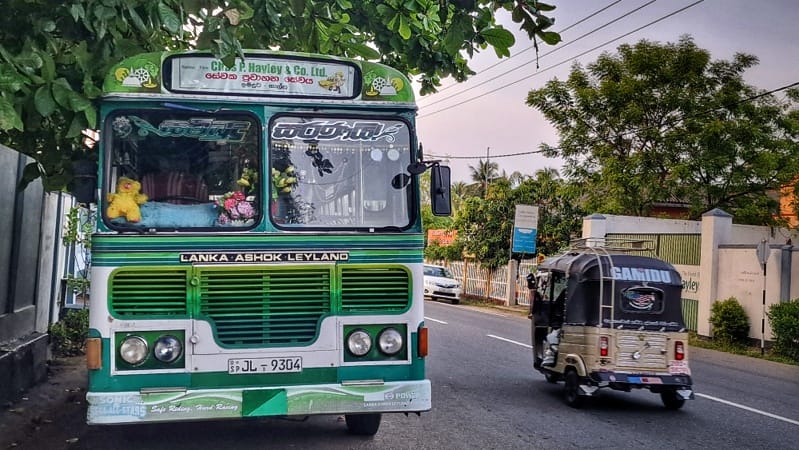
Asia remains one of the world’s most budget-friendly continents for travelers, especially in South Asia and Southeast Asia, where your money stretches incredibly far even in 2026.
Daily costs can stay low without sacrificing comfort or experiences — think delicious meals for a couple of dollars, hostels or guesthouses for $5–15 a night, and efficient public transport that makes getting around effortless and inexpensive.
In countries like India, Vietnam, Cambodia, Laos, Nepal, and Sri Lanka, you can easily live on $20–40 per day (or less if you’re savvy). We found cozy rooms in Sri Lanka for just 2 euros, street eats for under a dollar, and trains or buses that cover long distances affordably.
Indonesia and the Philippines offer similar value, with island-hopping ferries or scooters keeping costs minimal. Even in pricier spots like Japan, South Korea, Singapore, or parts of China, smart choices — camping, using apps for cheap eats, staying in capsule hotels, or couchsurfing/work exchanges — let you keep expenses surprisingly low.
4. Deep Spiritual Roots

Asia is the spiritual cradle of humanity, the birthplace of major world religions such as Hinduism, Buddhism, Jainism, Sikhism, and Taoism, and a source of profound influence from Islam, Christianity, and indigenous beliefs. The continent’s spiritual energy is tangible — not confined to museums but woven into everyday life through rituals, architecture, and practices that invite reflection and connection.
You can meditate in serene Thai forest monasteries, join dawn alms-giving ceremonies with saffron-robed monks in Luang Prabang (Laos) or Myanmar, walk sacred pilgrim paths like Japan’s Kumano Kodo or the 88-temple Shikoku trail, bathe in the sacred Ganges during sunrise rituals in Varanasi (India), or experience silent Vipassana retreats in centers across Thailand, India, or Nepal.
Temples like Angkor Wat (Cambodia), Borobudur (Indonesia), or Bagan’s thousands of pagodas (Myanmar) feel alive with centuries of devotion.
5. Street Food Culture
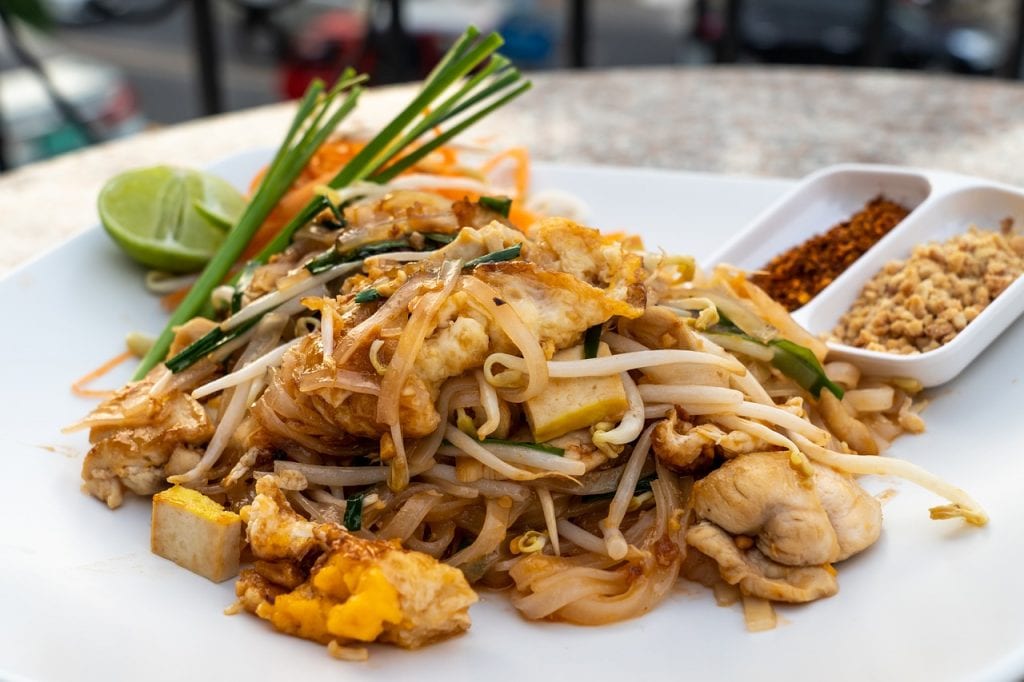
Few places rival Asia for street food. From steaming bowls of pho in Vietnam and spicy pad thai in Thailand to crispy dosas in India and ramen stalls in Japan, the flavors explode with freshness and variety.
Eating on plastic stools at bustling night markets becomes an adventure in itself — affordable, social, and often the best meal of the day. It’s not just sustenance; it’s a cultural ritual that brings people together.
Of course, not everything is roses and flowers — especially if your stomach isn’t used to traveling. Hygiene standards can vary dramatically from place to place. In many spots across Southeast Asia (particularly in more remote islands of Indonesia), conditions weren’t always the most inviting when we visited.
Street food vendors might prepare dishes on questionable surfaces, water might not be potable, and refrigeration isn’t universal. If your gut is sensitive or you’re new to long-term travel in developing regions, you might want to ease in rather than starting with the more rugged destinations.
Many travelers experience a brief “adjustment period,” but once your system adapts, the rewards far outweigh the occasional risks — and you’ll join millions who swear street food is the soul of Asian travel.
6. Epic Landscapes

Asia’s natural beauty is breathtaking and endlessly varied. Think rice terraces cascading down hills in Bali or Vietnam, the dramatic karsts of Halong Bay, snow-capped peaks in the Himalayas, pristine beaches in the Philippines, vast deserts in Mongolia, or lush jungles in Borneo. You can go from tropical islands to high-altitude plateaus in a single trip.
7. A Blend of Ancient and Futuristic
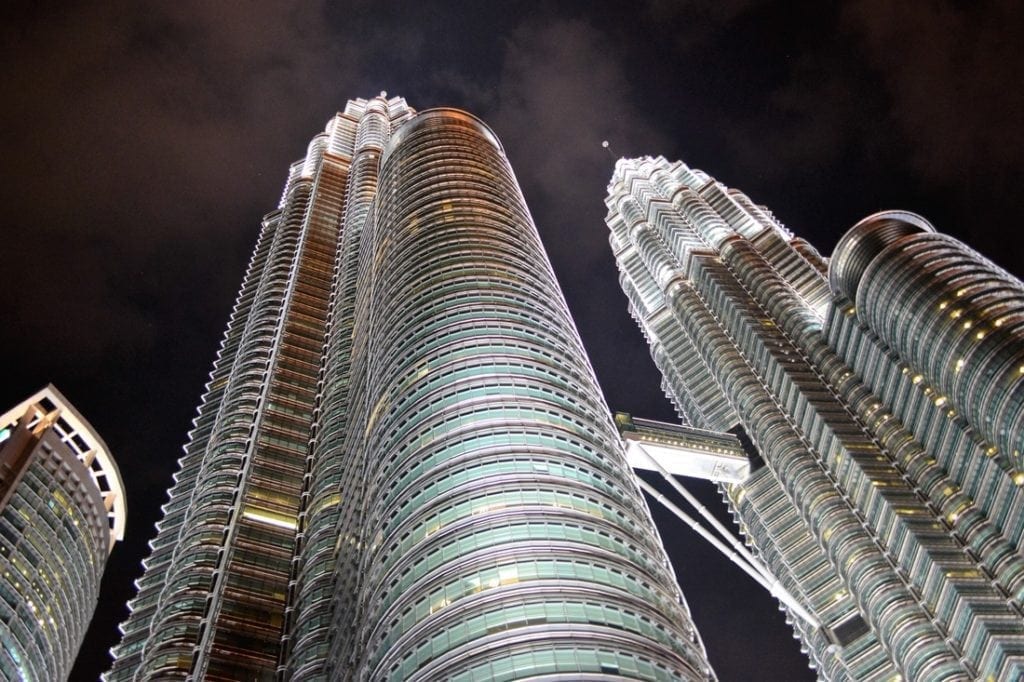
Asia masterfully juxtaposes the old and the new often within the very same city, where ancient temples, historic districts, and traditional ways of life sit shoulder-to-shoulder with gleaming skyscrapers, high-speed rail, and cutting-edge innovation. This isn’t just a contrast between different places — it’s a seamless, everyday fusion that creates an electric, dynamic atmosphere unique to many Asian urban centers.
Wander through thousand-year-old temples in Kyoto, where serene shrines and wooden pagodas nestle amid modern office buildings and sleek train stations — you can step from a peaceful Zen garden straight into a bustling shopping arcade. In Tokyo, the iconic Senso-ji Temple (dating back to 645 AD) stands in Asakusa, surrounded by neon signs, high-rises, and crowds using the latest smartphones.

In Seoul, ancient palaces like Gyeongbokgung and traditional hanok villages are interspersed right among towering skyscrapers and ultra-fast 5G networks — you might spot monks in robes crossing streets lined with LED billboards and K-pop cafes.
Bangkok exemplifies this perfectly: golden-roofed temples like Wat Arun or the Grand Palace rise dramatically beside glittering modern high-rises, sky trains zipping overhead, and vibrant street markets blending old spices with contemporary streetwear.
8. Easy Visa and Long Stay
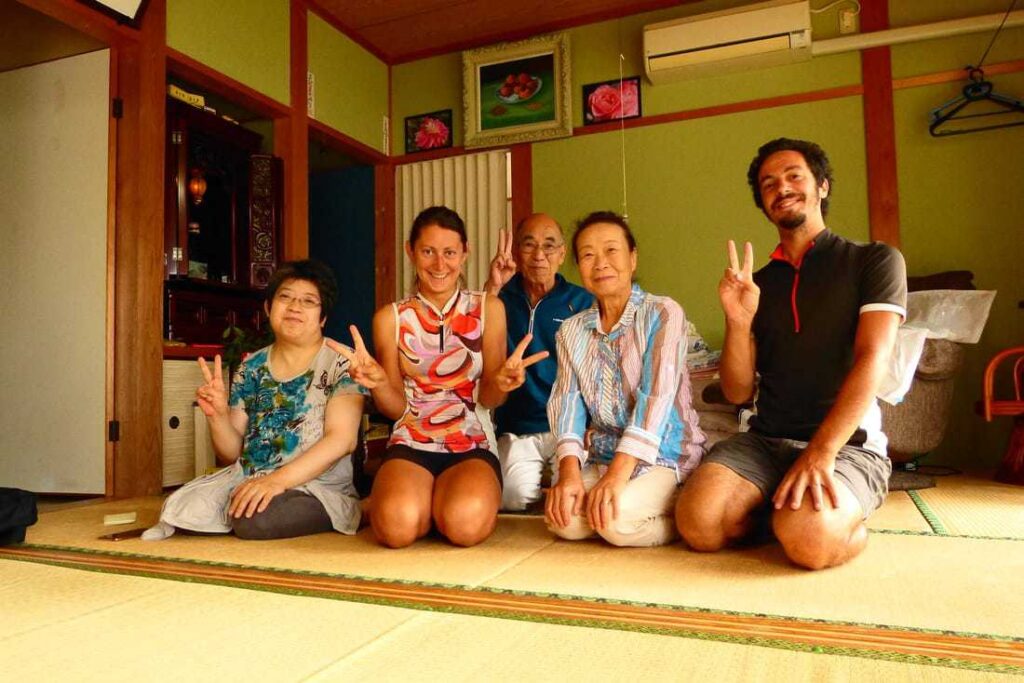
Many Asian countries offer straightforward visa policies that make extended travel accessible. Visa-on-arrival, e-visas, or visa-free entry for months is common in places like Thailand, Indonesia, Vietnam, and Malaysia.
Digital nomad visas in countries such as Indonesia (Bali), Thailand, and Sri Lanka allow for longer legal stays. This flexibility lets you truly immerse yourself rather than rushing through.
9. Perfect for digital nomads

Reliable (and often fast) internet in cafes, co-working spaces, and accommodations has turned cities like Chiang Mai, Bali, Ho Chi Minh City, and Da Nang into nomad hubs.
Combine low living costs, vibrant communities, beautiful surroundings, and coworking spots with ocean views or mountain backdrops — it’s easy to work productively while living like you’re on permanent vacation.
Services like SIMOVO make it seamless with instant eSIM data plans covering 180+ countries (including strong options for Asia, such as Southeast Asia regional plans and individual countries like Japan, Bali/Indonesia, Thailand, Vietnam, and more).
You activate via QR code before you arrive, get affordable high-speed data (with unlimited options available), no roaming fees, and reliable coverage through local networks — perfect for digital nomads who need consistent internet without hunting for local SIMs or dealing with spotty Wi-Fi.
Asia leads the way for digital nomads with several countries now offering dedicated digital nomad visas (or equivalent long-stay options tailored for remote workers). These make it simpler and more legal to settle in for months or even years without constant visa runs. Here are some standout ones in Asia as of 2026:
- Thailand: The Destination Thailand Visa (DTV) is a popular multi-entry option for remote workers and freelancers, valid for up to 5 years with stays of 180 days per entry (extendable). The Long-Term Resident (LTR) visa suits higher earners with longer privileges.
- Malaysia: The DE Rantau Nomad Pass allows stays of up to 12 months (renewable), with relatively accessible requirements, such as a minimum monthly income of around $2,000.
- Indonesia: Options like the B211A visit visa (often used for Bali) or the dedicated digital nomad program offer up to 1 year (renewable in some cases), making them perfect for island life with stunning backdrops.
- Japan: The Digital Nomad Visa (launched in 2024) offers stays of up to 6 months for eligible remote workers, blending futuristic cities with serene traditions.
- South Korea: A digital nomad visa program supports longer stays with high-speed internet and dynamic urban vibes.
- Taiwan: The Gold Card is an open-ended work permit for skilled remote professionals with strong tech infrastructure.
- Others, such as the Philippines (recently launched or piloting), Sri Lanka, and even Kazakhstan, offer appealing long-stay paths for nomads.
These visas often come with straightforward online applications, family inclusions in some cases, and no local tax burdens on foreign income. Paired with Asia’s affordability and endless inspiration, it’s no wonder the continent remains a top choice for location-independent lifestyles.
8. It Changes You
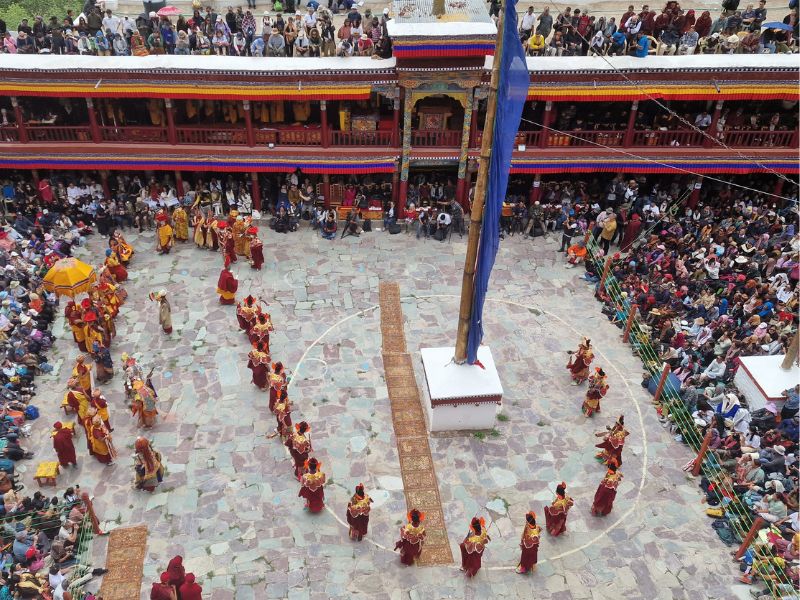
Above all, Asia has a profound way of shifting your perspective. The hospitality of strangers, the resilience in the face of challenges, the emphasis on community over individualism, and the acceptance of chaos and beauty side by side teach patience, gratitude, and openness.