
Last Updated on 25 March 2026 by Cycloscope
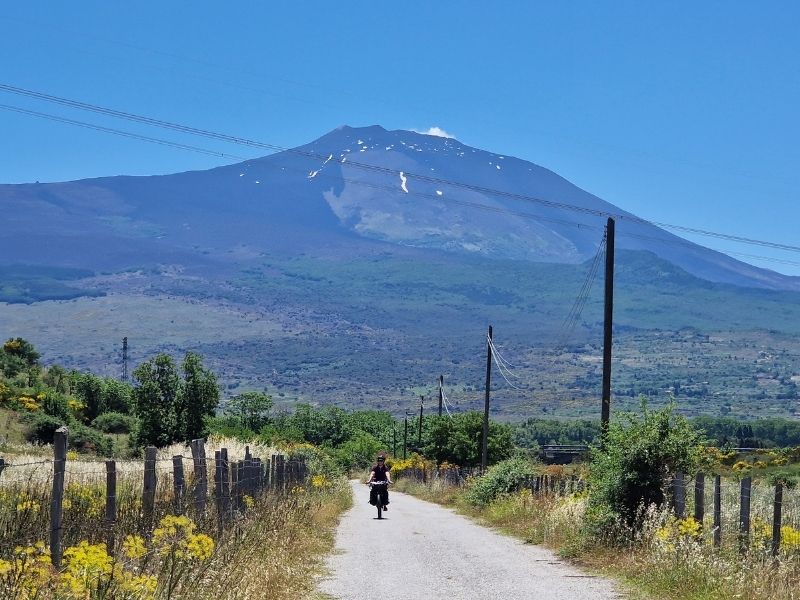
Bikepacking route through Sicily’s Nebrodi Mountains, Argimusco, and Alcantara Valley, featuring wild trails, wind farms, ancient forests, and panoramic views of Etna and the Eolie Islands.
This route across the Nebrodi Mountains in Sicily is a journey through some of the island’s most diverse and untouched landscapes. Our ride through the Nebrodi Park began in Randazzo, where we arrived by train on the Circumetnea railway. From here, we encountered a mix of adventure, solitude, and raw Sicilian nature, and the wish to have an electric bike…
Disclosure: Some of our articles contain affiliate links. This comes at no additional cost for you and helps us keep this website up and running. (as Amazon Associates we earn commission from qualifying purchases)
The GPX map of our itinerary is at the end of this article.
Where to Sleep in the Nebrodi Park: Shelters, BnB and “diffuse hotel.”
The first stretch of the route is paved and pleasantly shaded, though it climbs quite steeply.
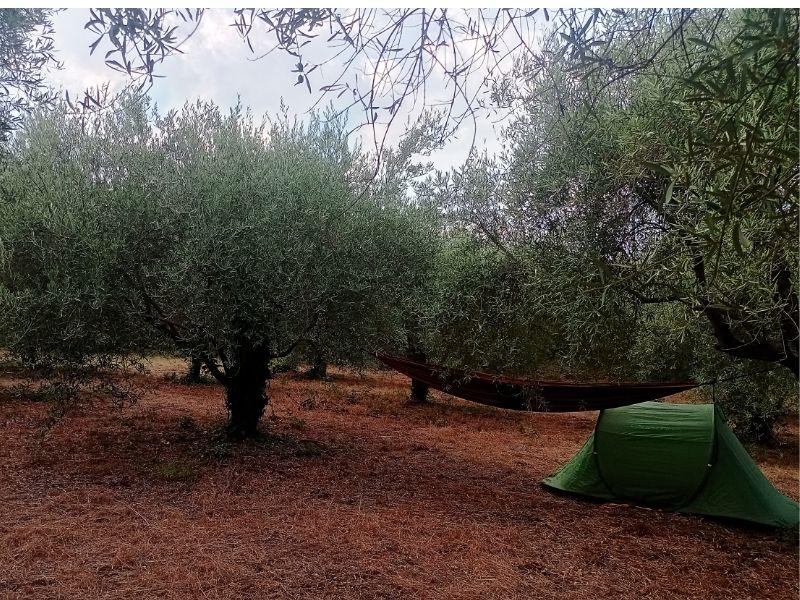
Along the way, you’ll come across several beautiful mountain shelters where you can stay overnight or camp. We were carrying a tent, but if you prefer to travel lighter, it’s not strictly necessary; outside of peak season, you can easily find affordable B&Bs in the small villages around the park (Randazzo, Floresta, Cesarò, San Fratello).
Some shelters are simple, always-open, similar to bivouacs. These are free and don’t require any booking. You might find a table or a few wooden beds, but there is typically no running water (a well is usually available), electricity, or staff, so you need to be fully self-sufficient with food, water, and sleeping gear.
Other shelters are managed structures, closer to small mountain lodges. In these cases, you usually need to book in advance, and they can provide beds, bathrooms, and sometimes even meals. They are more comfortable and are a good option if you want to travel lighter without carrying camping equipment.
There are also some former forestry buildings or rural lodges scattered across the park. These can be a bit unpredictable: some are open only on request, others are occasionally used by groups or local organizations, and not all of them are accessible to independent travelers.
Check the Nebrodi Park accommodation page. Here you’ll find the official list of huts, including Trearie, Bracallà, and the Rifugio del Parco, with basic info and contacts.
Another interesting option is Nebrodi Albergo Diffuso, a network of traditional houses spread across villages in the Nebrodi area. It’s a nice alternative if you want something authentic but still organized and bookable online.
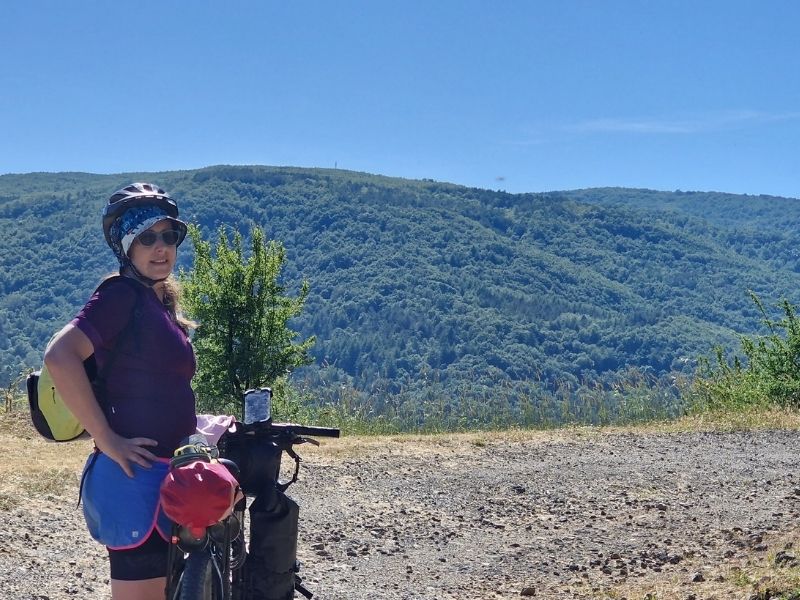
The asphalt ends fairly soon, and the track leading toward Lago Trearie becomes rocky and more technical. We rode it on mountain bikes, which felt like the right choice given the terrain.
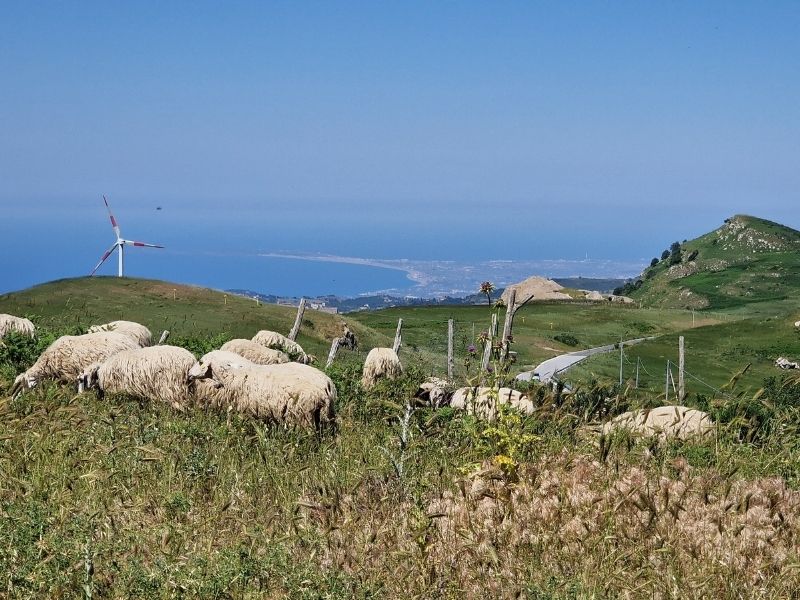
The views from the Nebrodi Mountains are among the most stunning in Sicily: on clear days, you’ll enjoy a full 360-degree panorama stretching from Mount Etna to the Aeolian Islands and the sea.
Unlike Etna, this area sees far fewer tourists. During our ride, we encountered mostly grazing cows and the occasional shepherd, which added to the sense of remoteness and authenticity.
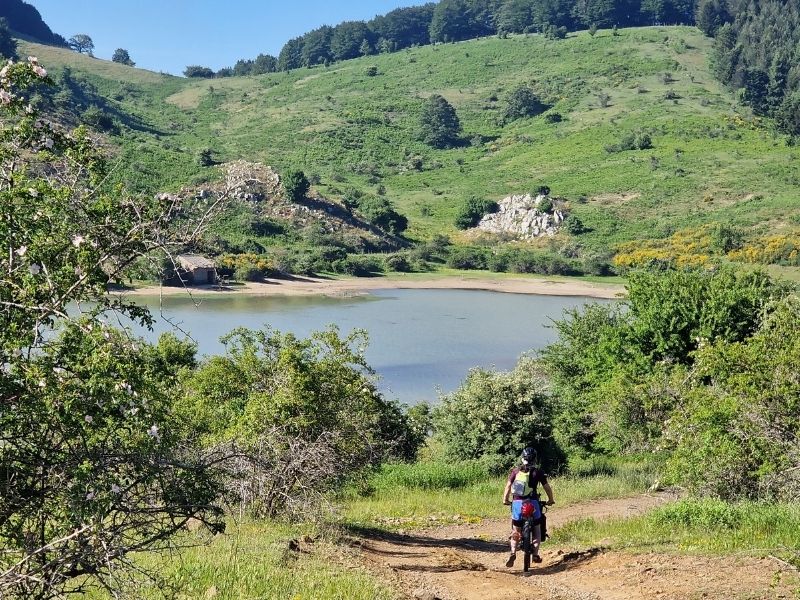
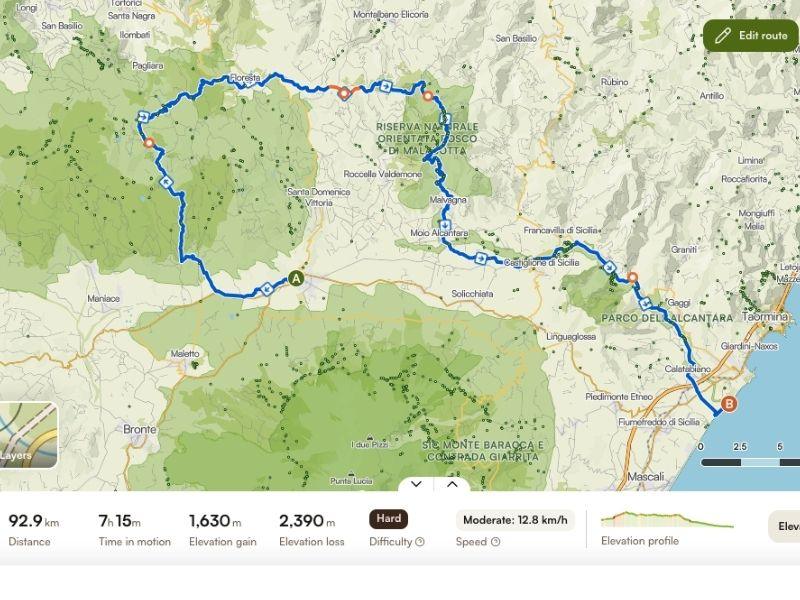
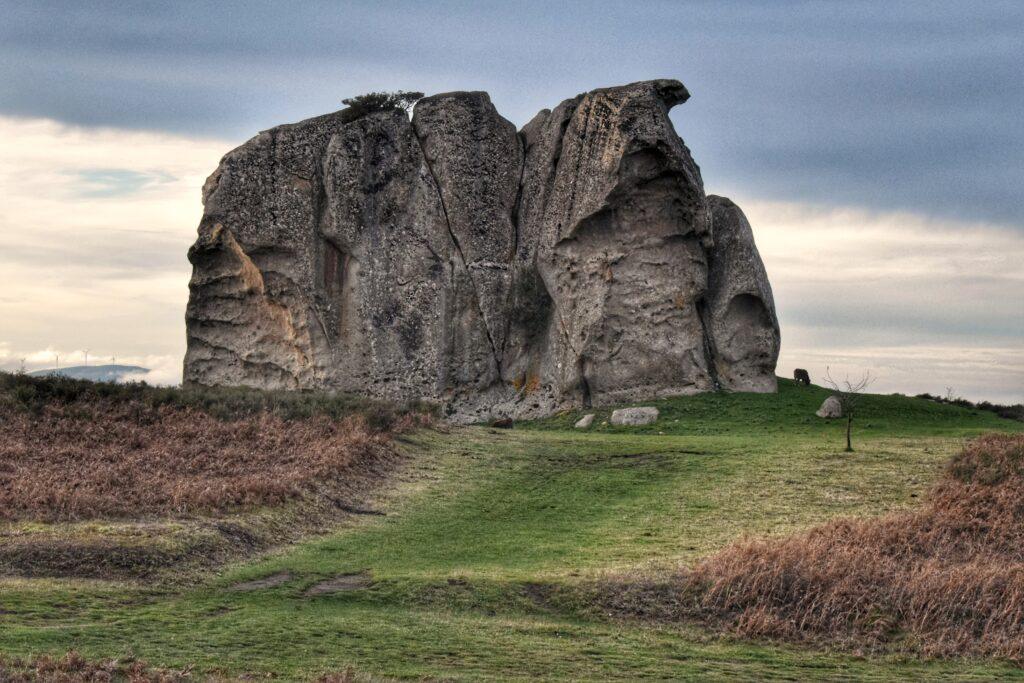
We eventually reached the road leading to Floresta. From here, you have a couple of options: you can descend toward Sicily’s northern coast on a scenic, fully paved downhill road, or—if your legs still have some energy—continue along a more adventurous route through a wind farm. This section offers surreal, wide-open landscapes and leads to the megaliths of Argimusco, another hidden gem of Sicily that remains relatively unknown even among locals.
The Wind Farm Road, the Argimusco Megaliths and the Alcantara Gorge
From there, you can either cross the Malabotta Nature Reserve, which is quite demanding, or take the easier paved road between the two parks. This route passes through the small village of Roccella Valdemone (where a draught beer is still 1,50 Euro) and continues toward Moio Alcantara and Castiglione di Sicilia, following the Alcantara Valley.

The Malabotta Nature Reserve is situated between the Nebrodi and Peloritani mountains. It feels very different from the more open landscapes of the Nebrodi: here the terrain is denser, more enclosed, and deeply forested, with a strong sense of isolation.
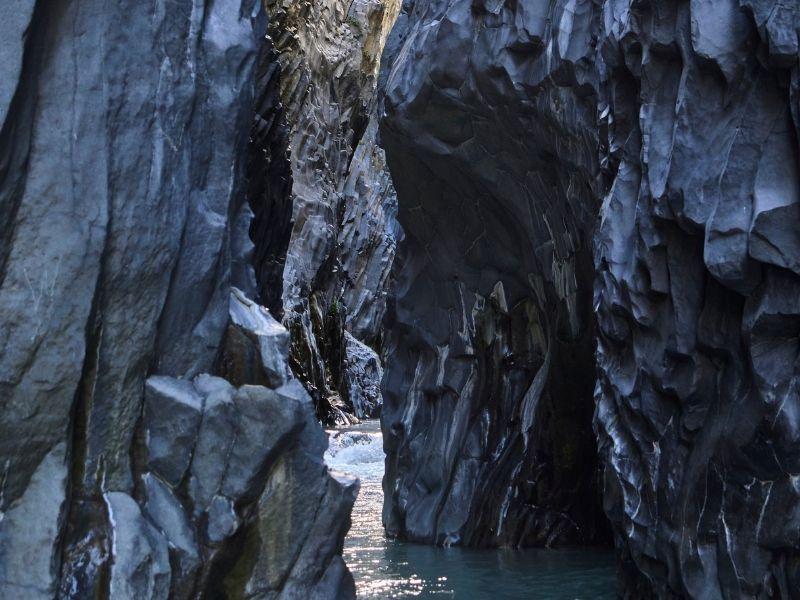
The area around the Alcantara Gorges is stunning. Here, the river has carved deep canyons into ancient lava flows, forming dramatic basalt rock walls with geometric shapes. Even if you don’t go down into the gorge itself, the surroundings are visually impressive and quite different from anything else on the route, and you’ll cross some bridges with a nice view of the water.
The gorges are accessible from a main entrance near Fondaco Motta, where you’ll find a visitor area with parking, ticket office, bars, and facilities. There are actually two main ways to visit: the easy access via elevator (paid), or a more adventurous path down a public staircase (partly free or cheaper depending on the section). If you’re traveling light and don’t mind a bit of effort, the stairs are a good option and save money.
Once at the bottom, expect very cold water year-round—even in summer, it can feel freezing because it comes from mountain sources. Many people just walk along the edges or dip their feet, but you can also rent gear (water shoes, wetsuits) if you want to explore deeper into the canyon.
The best time to visit is early morning or late afternoon, especially in high season, to avoid crowds. Midday in summer can get very busy and less enjoyable.
Tip: Check Settevoci, a cultural and ecological association located in Castiglione di Sicilia, in the Alcantara Valley; it is not just a single venue, but a rural community project based in a restored 19th-century country house. There is the possibility of camping there, and there are always events.
Finally, you can descend all the way to the beach at Fiumefreddo, where you’ll be able to catch the train again.