
Last Updated on 27 January 2026 by Cycloscope
Backpacking Malawi – Things to do, Places to Visit, Itinerary, Costs, and Everything You Need to Know
The most complete Malawi Travel Guide on the web
Malawi is one of the most beautiful Southern African countries, thanks to its relatively small size, numerous activities, and high concentration of tourist attractions. Malawi is a great backpacking destination.
Disclosure: Some of our articles contain affiliate links. This comes at no additional cost for you and helps us keep this website up and running. (as Amazon Associates we earn commission from qualifying purchases)
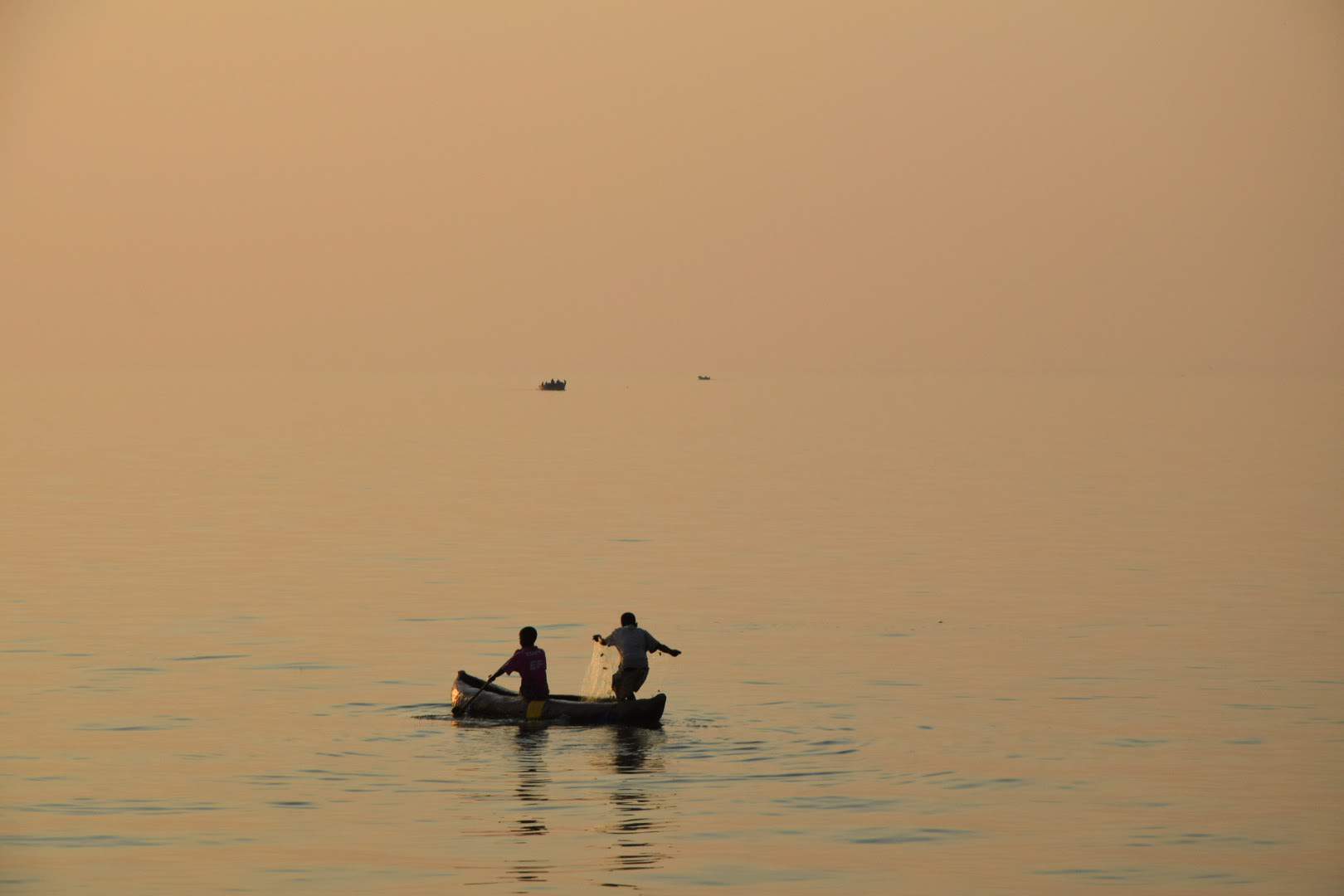
Traveling in Malawi, you will enjoy the pristine waters of one of the world’s largest lakes, its lively beaches, its lush mountains and plateaus, and its ancestral and interesting culture.
This blog article aims to be the best travel guide for Malawi available for free on the web, we are currently living here so we will update this guide constantly and produce more detailed blogs about most Malawian destinations.
Bits and Facts about Malawi
- Climate: Subtropical
- Currency: Malawian Kwatcha (+/- 1700Kw to 1$ – as of August 2024)
- Visa: 30 days/75$ on arrival for most countries
- Population: 18.62 Million (2017)
- Population Density: 129/sqKM
- President: Peter Mutharika (since May 2014) – DPP (Democratic Progressive Party)
- Resources: limestone, arable land, hydropower, unexploited deposits of uranium, coal, and bauxite
- Mandatory Vaccinations: None (unless coming from a Yellow Fever Country)
- Recommended Vaccinations: Hepatitis A, Typhoid, Tetanus, and Poliomyelitis (read more here)
If you want to have in-depth knowledge of Malawian history and culture, we recommend this list of books about Malawi.
How much does backpacking in Malawi cost?
- Budget (Local Guesthouses/Camping + Hitchhiking/Cycling): 8/10USD x day
- Backpacking (Local Transports/Backpackers dorms or rooms): 25/50 USD x day
- Splurge (Private Transports/Hi-Range Accommodation): 150/∞ USD x day
Suggested Itinerary in Malawi
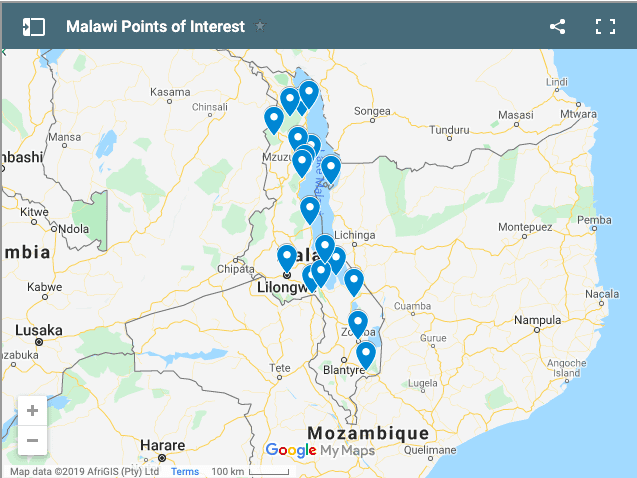
Malawi is a small country dense with points of interest and “tourist attractions”; although many of those are still off the beaten path, there are many paradisiac spots that might glue you to them for several days.
You might start with an idea and then find your balance between the natural laziness inspired by some locations, the stress (but also the adventure) of public transport and roads, and the will to explore more of this beautiful and diverse country.
This is just an outline, based on our personal experience, of a week’s itinerary in Malawi. It can be easily reduced to a 10-day itinerary by eliminating the time-consuming trip to Likoma.
- Day 1 – Arriving in Lilongwe
- Day 2 – Getting to Cape Maclear through Dedza and Mua, visit the mission of Mua on the way
- Day 3+4 – Stay in Cape Maclear
- Day 5+6 – Move to Nkhota Kota or Senga Bay (by bus, car, or ferry if you time up)
- Day 7+8+9 – Reach Likoma if you can and stay there until the next ferry
- Day 10 – Nkhata Bay or Mzuzu
- Day 11 – Livingstonia
- Day 12+13 – Nyika Plateau
- Day 14 – Back to Lilongwe
Things to do in Malawi
- Hiking – Livingstonia, Nyika, Mulanjie, Zomba
- Kayaking, SUP – Likoma, Nkhata Bay, Zulunkuni (careful with crocodiles)
- Diving – Cape Maclear, Likoma, Nkhata Bay
- Swimming – Cape Maclear, Likoma, Nkhata Bay, Senga Bay, Nkhotakota, Usisya, Chinteche
- Cycling – Mzuzu, North Coast (a bit everywhere)
- Safari – Vwaza, Nyika, Liwonde NP, Kasungu NP
- Culture – Dedza, Mua Mission, Livingstonia
- Festivals – Lake of Stars (Sep), Lilongwe Jazz Festival (Aug), Tumani Refugee Camp Festival (Oct), Traditional Festival (mainly July/Aug)
Transportation in Malawi – Getting in and around
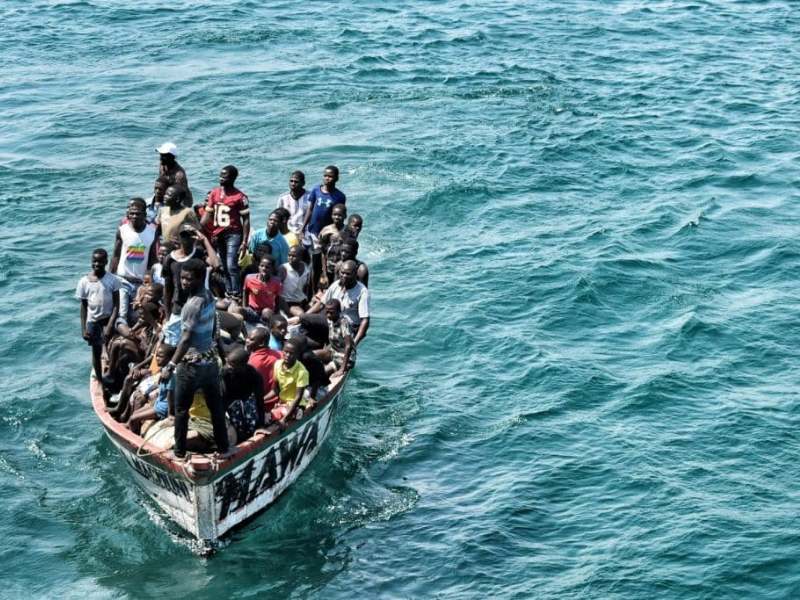
There are many ways to move around Malawi, and getting around this relatively small country is not difficult when compared to most African countries.
Getting to Malawi
Malawi borders Tanzania, Mozambique, and Zambia – there are many border posts, and all of them issue visas on arrival. The main airports are Lilongwe and Blantyre; your best bet for international flights will be Lilongwe.
London is a good starting point for getting to Malawi via Johannesburg, South Africa. Daily flights are operated by South African Airways and British Airways, leaving London in the evening and arriving in Johannesburg the following morning.
Connections from Johannesburg to Malawi are operated by South African Airways, with daily service to Lilongwe and three times a week to Blantyre.
Other parts of Europe are well connected to Kenya Airways, flying via Nairobi, and Ethiopian Airways via Addis Ababa (great deals from Rome).
If you are coming from North America, you could fly directly to South Africa or pass through Europe (most likely London).
We recommend using Kiwi.com for such flight searches, as it is the most powerful option and offers the widest range of options. You can search flights straight from the link down here.
Lake Malawi Ferries – Ilala Ferry and Chambo Ferry
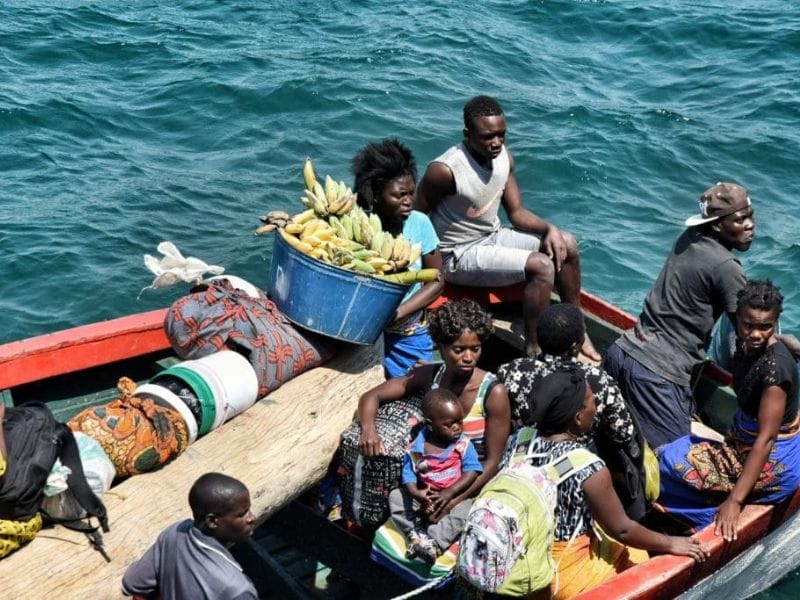
The MV Ilala, formally Ilala II, is operated by Malawi Lake Services and is based in Monkey Bay. Its weekly round trip starts on Friday (8 am) from Monkey Bay, where the boat returns on Wednesday at 8 pm after circling the lake for its 11 stops, reaching as far north as Chilumba.
Another boat, the Mozambican Chambo, runs twice a week from Cabue, Mozambique, to Nkhata Bay via Likoma and Chizumulu. The Chambo is not as safe or reliable as the Ilala, so be mindful of the risks if you go onboard.
Both the Ilala and the Chambo are amazing experiences, and the best way to reach the inhabited islands of Lake Malawi, Likoma, and Chizumulu.
While the ships are often late (sometimes even 24 hours), they remain the most important means of long-distance transport for people living on the lake coast.
Long Distance Buses and Minibuses
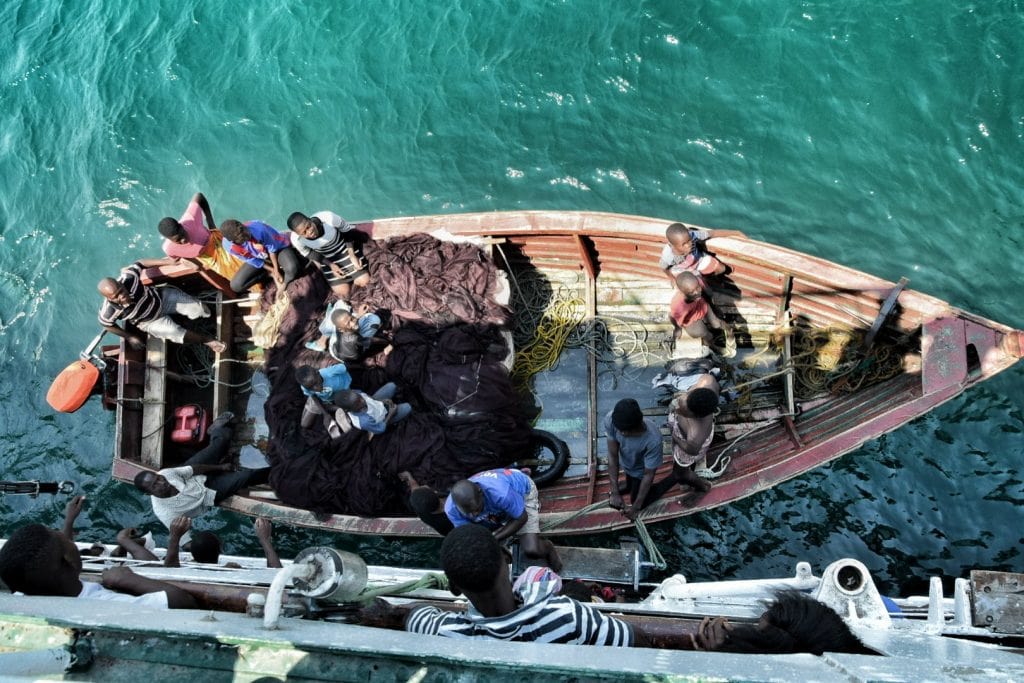
There are two major bus companies in Malawi, Axa and Sososo – both have a very thin online presence. The best approach is to call or visit their office if there’s one.
For example, the Axa coach from Lilongwe to Mzuzu departs from the city mall in the afternoon, while the Sososo coach departs from the Game complex at 7 am. Boarding is at 6:30 am.
It is not easy to find this information, as things always change; your accommodation should be able to provide some assistance. Otherwise, rely on forums or Facebook Groups (Expats Malawi is good).
Another way to get around in Malawi is by local minibus; this might be a bit easier to catch but probably more “adventurous”.
Local minibuses in Malawi work just as they do in most African countries; they have points of gathering and departure in every town, but you can also catch them on the road. They usually (but not always) state their destination on their windscreen.
Given the shorter distances between points of interest in Malawi, minibuses can be a good choice for backpackers.
Minibuses are cheaper than coaches, but you have to be prepared to bargain; a one-hundred-kilometer ride should cost you no more than 3,000 Kwatcha. Price increase for rougher roads, bulky baggage, or unaware azungu.
Another downside of this kind of transport is that they are usually uncomfortable, slow (because of the many stops), crammed with people, and generally unsafe (road accidents are not so rare, and breakdowns even less).
Hitchhiking in Malawi
Hitchhiking in Malawi is incredibly easy and generally safe, making it a great way for backpackers on a really tight budget. Most people with some – even imaginary – space in their vehicle will give you a ride.
Some might want a small contribution, some might try to scam you, and some won’t accept any money. The best practice is to clarify it immediately, without being impolite.
We always try to leave something (besides that time when we were taken by a member of parliament). Avoid hitchhiking at night and don’t get into a car with drunk people.
Overlanding Malawi
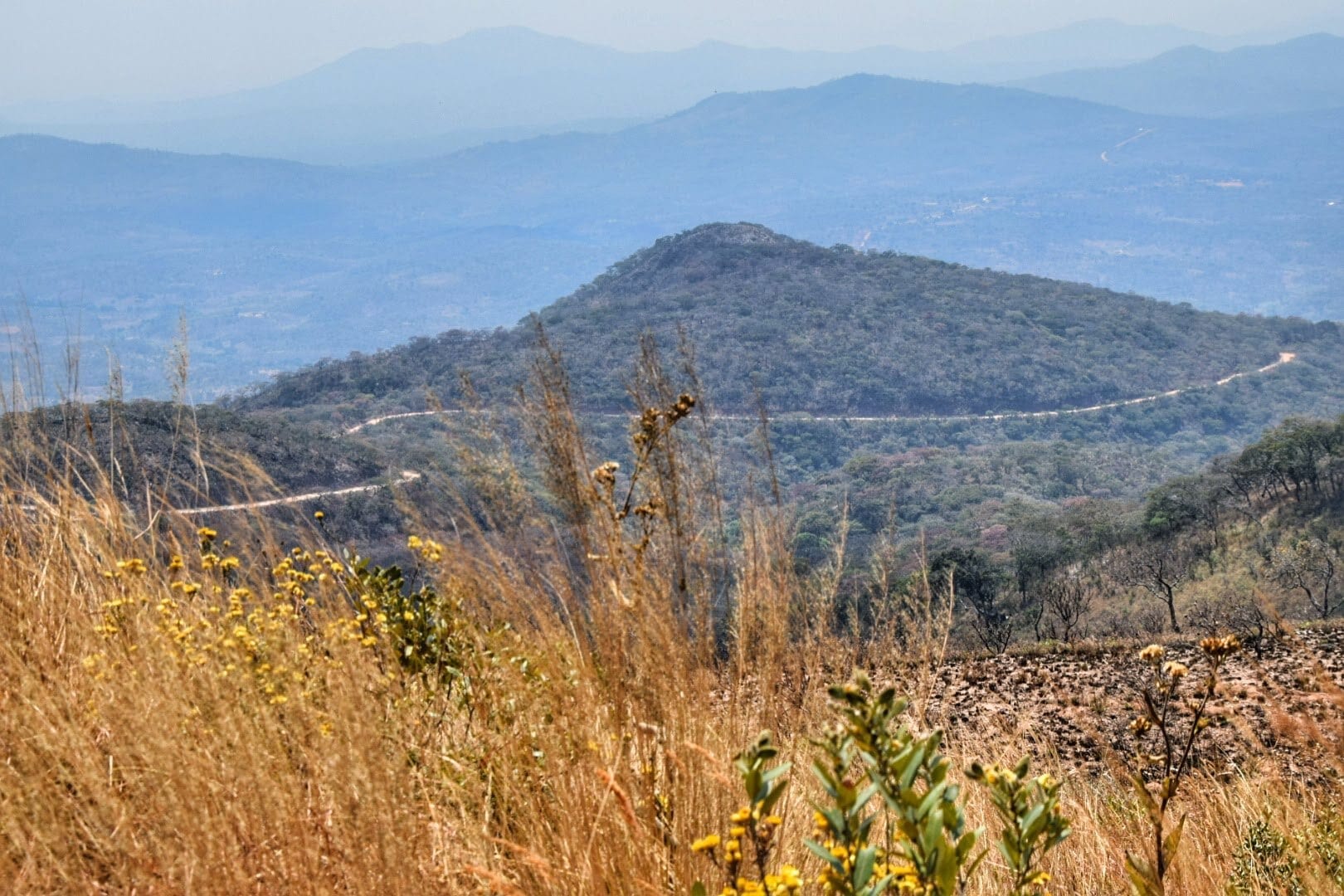
Malawi can also be greatly enjoyed by car. Any kind of vehicle will be good enough to take you around the lake and to most southern tourist sights, while a 4×4 is needed for Nyka Plateau and other remote areas. There are many decent campsites for overlanders scattered around Malawi.
Petrol in Malawi costs about 1,000 kwacha per liter and can be purchased from service stations (near major towns or crossroads) or in shops or stalls in the villages. Ask the locals.
Foreigners with European driving licenses can drive in Malawi for 90 days; after that, you’ll need an international or Malawian driving license.
Cars can be rented in the major cities, Lilongwe, Blantyre, and Mzuzu – you can ask your accommodation for help.
Cycling through Malawi
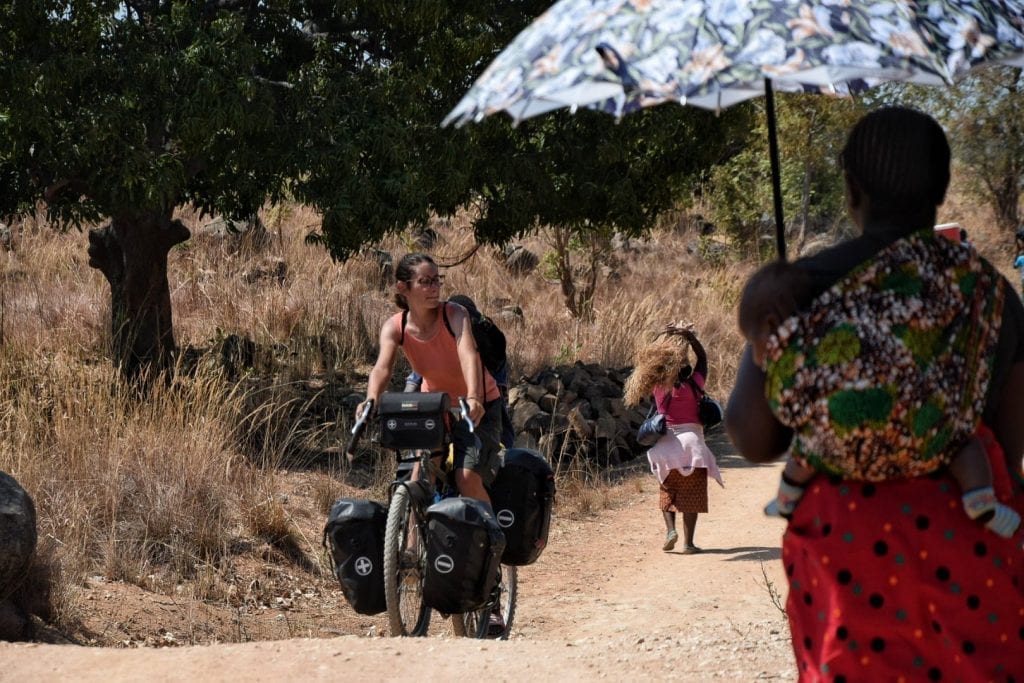
Another great way to get around Malawi is by bicycle; the distances are never too long, and the scenery is often spectacular.
Malawi has either decent tarred main roads or an extensive network of side roads, dirt tracks, village paths, and the like. The main roads, M1 and M5, are paved and in good condition. Traffic can get bothersome around Lilongwe and along the Southern shores of the Lake, but it is never too heavy.
When cycling in Malawi, the best option is to stick to side roads and village paths. Google Maps doesn’t know the majority of them, but OpenStreetMap is surprisingly good.
Accommodation in Malawi
Malawi is dense with attractions and points of interest, and although not certainly booming with tourism (yet), Malawi has huge potential as a tourist destination.
The few who didn’t fail to notice this, mostly foreigners, have built a small but extensive network of lodges and backpackers’ accommodations, somehow supporting and promoting each other, covering most of the country’s key locations.
This makes Malawi a country easy and fun to travel in for the average backpacker. If you stick to backpacker accommodations and lodges, traveling in Malawi can be quite comfortable compared to many African countries. You could easily get your banana pancake every morning if that’s your style.
We think, though, that a traveler should be aware of the bubble he/she is enveloped in when hopping from one hostel to another. If you want to experience the real Malawi, you need to get out of your lodge; failing to do this is a big miss.
Backpacker Accommodations in Malawi
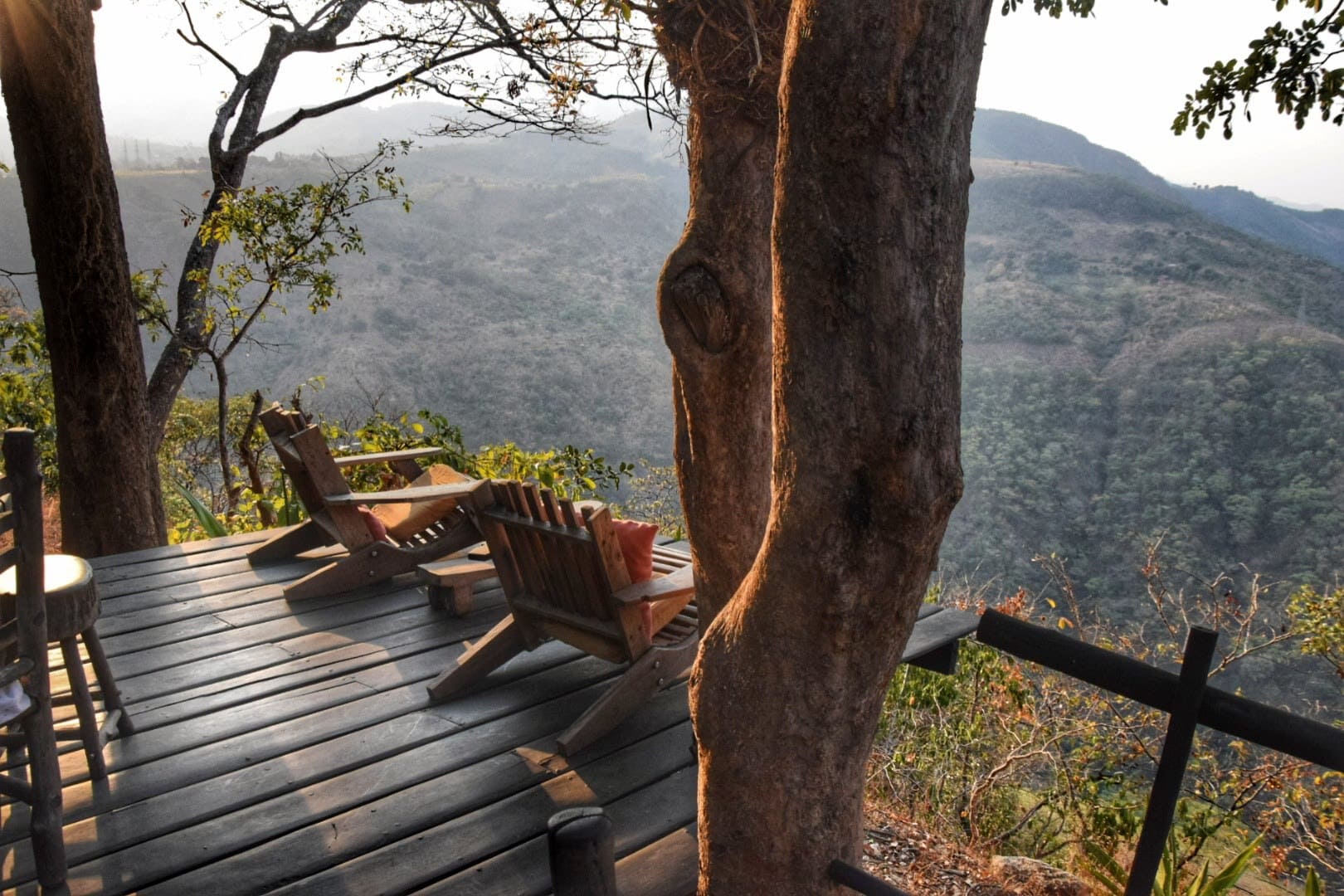
Backpackers and budget lodges in Malawi have an average cost of 30$ per chalet or tent camp (single/double, shared bathroom), 45$ for an en-suite, and 5$ per person for camping.
They always have restaurants and bars, some are managed pretty well, and some others are a bit run-down – those places pass on to different hands quite quickly. A few places on the lake have free-to-use kayaks, SUPs, and snorkeling gear.
Campsites in Malawi
Many locations have at least one lodge that allows camping, but not all of those are accessible by a wheeled vehicle, especially in the north.
Most campsites do not have shared kitchens or barbecue facilities, so South Africans will have to be self-sufficient for their braai. Campsites charge between 5$ and 10$ per person.
Local Guesthouses in Malawi
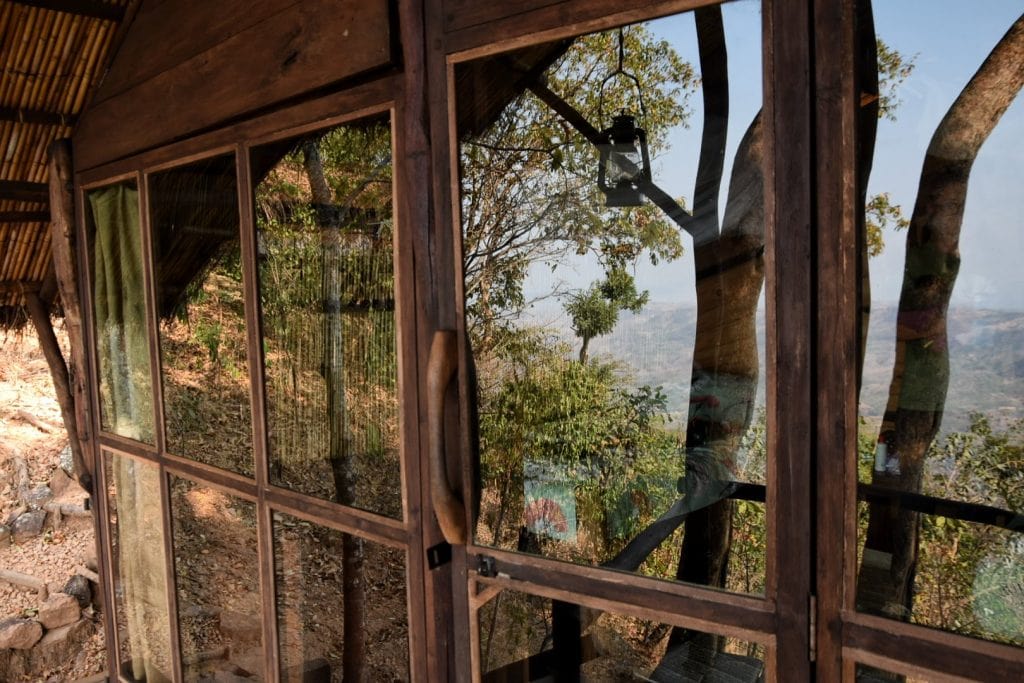
Guesthouses used by the local Malawians, called Rest Houses here, are much cheaper than backpacker lodges and often surprisingly good in value.
A double room with mosquito net and fan, en-suite bathroom, and usually a good, clean bed costs between 4,000 and 10,000 Kwacha (5$- 15$).
Malawian rest houses are everywhere; each decent-sized village has at least one or two. They usually don’t have food or drink, so you’ll have to rely on the nearby village. A good chance to experience Malawian life and food.
Mid-Range and Upscale Lodges and Resorts in Malawi
Luxury accommodation is available in Malawi. Places like the Kaya Mawa in Likoma go for 850$ per night, but there are (almost) equally luxurious resorts for 100/150$ per night. Food is obviously more expensive here, but also higher quality.
One of the most exclusive resorts in Malawi is the Blue Zebra Lodge, located in the uninhabited Marelli Islands, accessed via Salima/Senga Bay.
Wild Camping in Malawi
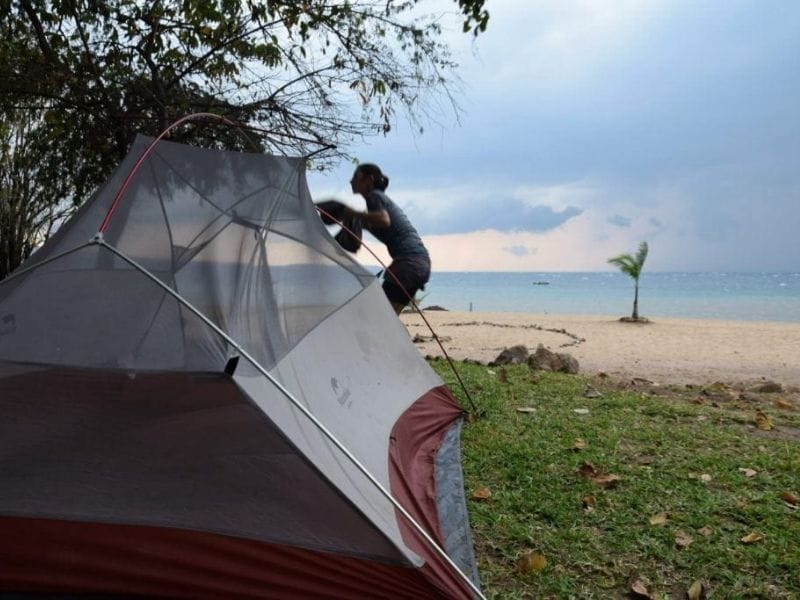
Malawi is a pretty densely populated country. It is quite hard to find an isolated, quiet spot for wild camping in the south, whereas it is easy and worthwhile in the mountains near Nyika.
Beaches, if they are accessible, always have a village nearby or at least some fishing activity. It’s advisable to ask permission from someone before camping on a beach.
Staying with Locals in Malawi
This works especially well for those cycling in Malawi (and, actually, for everyone who cycles in Africa). If you really are on a budget, you can always ask around a small village, a single homestead, or a compound to camp there.
Like everywhere in Africa, you’ll be treated as a guest, with a good chance of getting a bucket of water to wash yourself and the opportunity to talk and interact with the Malawians.
It’s basic etiquette to leave some money (better to give it to the women) and share some food if you have any.
Backpacking Vibe in Malawi
If you are looking for the typical backpacking vibe, the best places to go are Mgoza (Cape Maclear), Mayoka Village (Nkhata Bay), and Mushroom Farm (Livingstonia).
Some of these places are so good that several digital nomads ended up using them as a semi-permanent base – after all, who doesn’t want to live in a beautiful and cheap country while earning dollars online? That’s what is called “geoarbitrage“.
Geography of Malawi
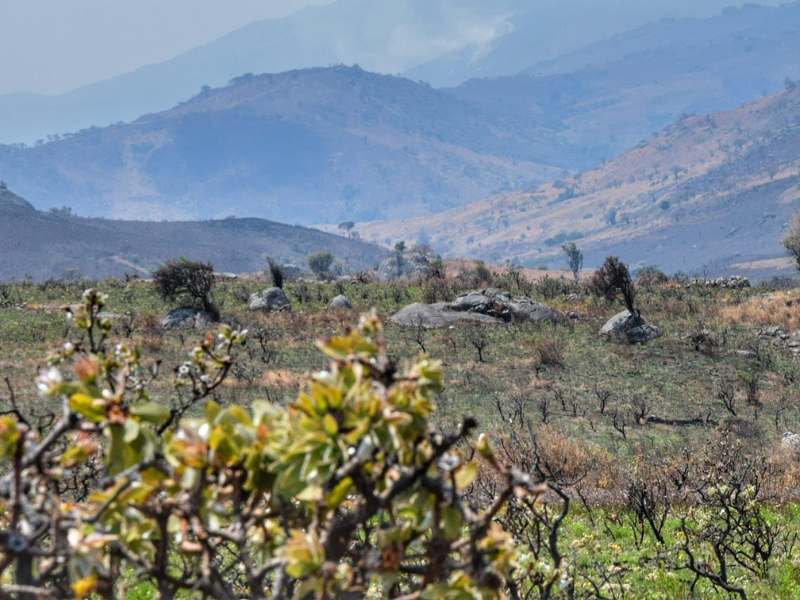
Malawi is dominated by its unique lake (more about it later), but that’s not the only interesting geographical feature of this small, landlocked country.
Malawi’s geography is pretty diverse for such a small country (at least compared to its neighbors).
The whole nation constitutes the southernmost branch of the Great Rift Valley, which is a sort of geological wound, like an immense scar, extending from Lebanon to here, which will, in the distant future, separate the African plate into two distinct ones
The western area, from Lilongwe to Mzuzu, lies entirely above 1000 meters on the Southern African Plateau, and the vegetation is bushy but greener and more fertile than in Zambia.
The landscape here is not exciting, with the only diversion consisting of scattered rocky hills (similar to South African kopjes).
South-Eastern Malawi has a lower altitude, with Lake Malawi at its lowest and the solitary peak of the Mulanjie as the highest point, surprisingly, in the whole country. The small plateau of Zomba is another notable feature, point of interest, and tourist attraction of Southern Malawi.
In the northeast of the country, the mountainous Nyika National Park dominates the landscape with its unique grassy terrain.
This massif drops quite abruptly into the lake, lush tropical vegetation wet with plentiful streams, especially of course in the rainy season. This is one of the most beautiful parts of Malawi.
Lake Malawi
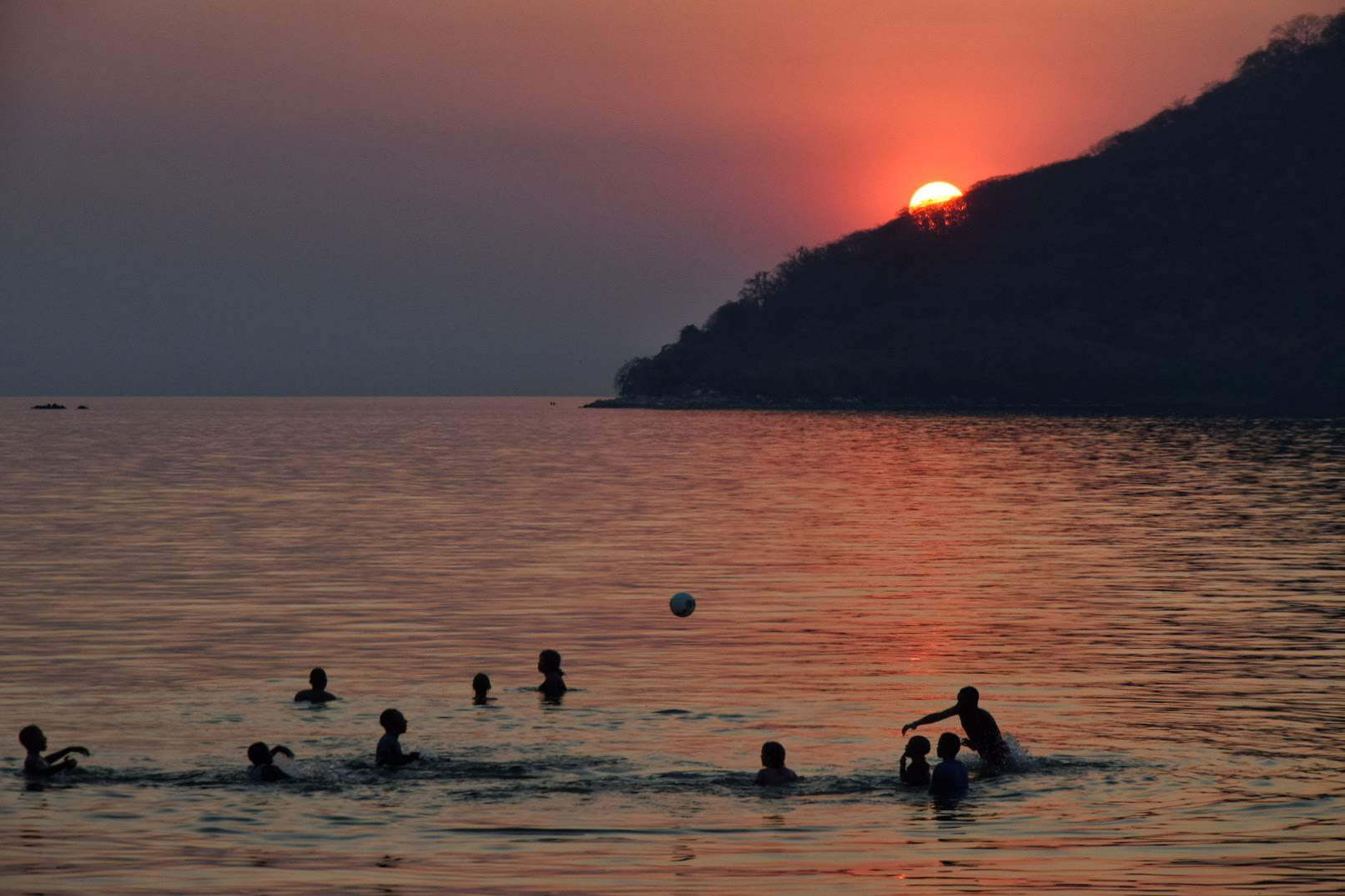
Lake Malawi, also known as Lake Nyasa or Niassa, deserves a separate mention. About 580 kilometers (360 mi) long and 75 kilometers (47 mi) wide at its widest, with a total surface area wider than the island of Sicily, Lake Malawi is the fourth largest freshwater lake in the world by volume, the ninth by area, and third by depth (706 m/2,316 ft).
Lake Malawi is a jewel still well kept that will amaze any traveler – backpacker, cycle tourer, or overlander. The third-largest freshwater lake in Africa is an astonishing body of water, a unique feature of the planet we are hosted on.
Its humanity lives here in a relationship of dependence and respect towards the lake’s dangers, but not one of employment. Lake Malawi’s shores are still pristine, and the touch of its people is still gentle.
Almost untouched beaches, spectacular rocky shores, and a thriving fishing culture in a unique and diverse mix of baobab-covered bush and subtropical jungle make Lake Malawi one of Africa’s most beautiful gems.
In our 20-day itinerary of Lake Malawi, we alternated cycling and “backpacking” via the two operating ferry boats serving the communities of the lake, the Malawian Ilala and the Mozambican Chambo.
A great part of the lakeshore is also easily accessible overland by road, but the ferry, especially the Ilala, is a unique perspective, brings you to faraway places, and it’s the “only” way to reach a few remote and unique spots, like Likoma Island.
Learn more about the unsolved mystery of the Malawi cichlids in our post about
Safety in Malawi
Thefts, robberies, or attacks are very rarely (if ever) experienced in this area. In general, the whole of Malawi is pretty safe for tourists if the obvious precautions are taken. Using a good anti-theft backpack is a good idea, especially when traveling by public transport.
Scams happen but usually, those are just overcharges for a product or service, if you want to buy some souvenirs or go on an “unofficial” tour, try to understand what a fair price for that will be by asking around. Always bargain reasonably and never accept the first price.
Crocodiles and Other Dangerous Wild Animals in Malawi
The real dangers of Monkey Bay and Cape Maclear belong to the animal kingdom, specifically to the world of big creatures and those of the very small ones. The smaller one is actually the most dangerous
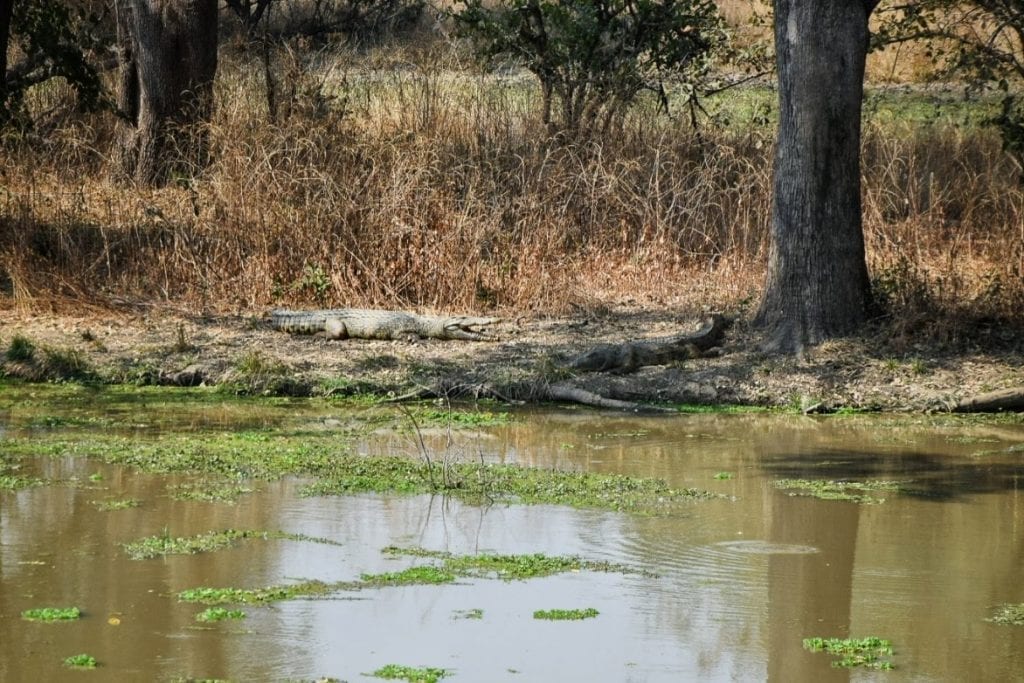
Despite what Malawians and lodge managers say, crocodiles are very common on Lake Malawi, especially in the South.
We heard of three Malawian people killed in the last month in the Cape Maclear area, and we also got to personally experience the thrill of meeting a big “presidential” croc at about 3 meters distance.
Even though it is far from being considered “infested,” crocodiles and hippos are a real concern in Lake Malawi that you should be aware of.
The government and tourism operators are trying to hide the real numbers, but do not trust them. Always be careful in shallow waters and isolated areas of the lake, especially when kayaking.
Getting attacked while swimming from a busy beach, though, is almost impossible, so enjoy it.
Bilharzia in Lake Malawi
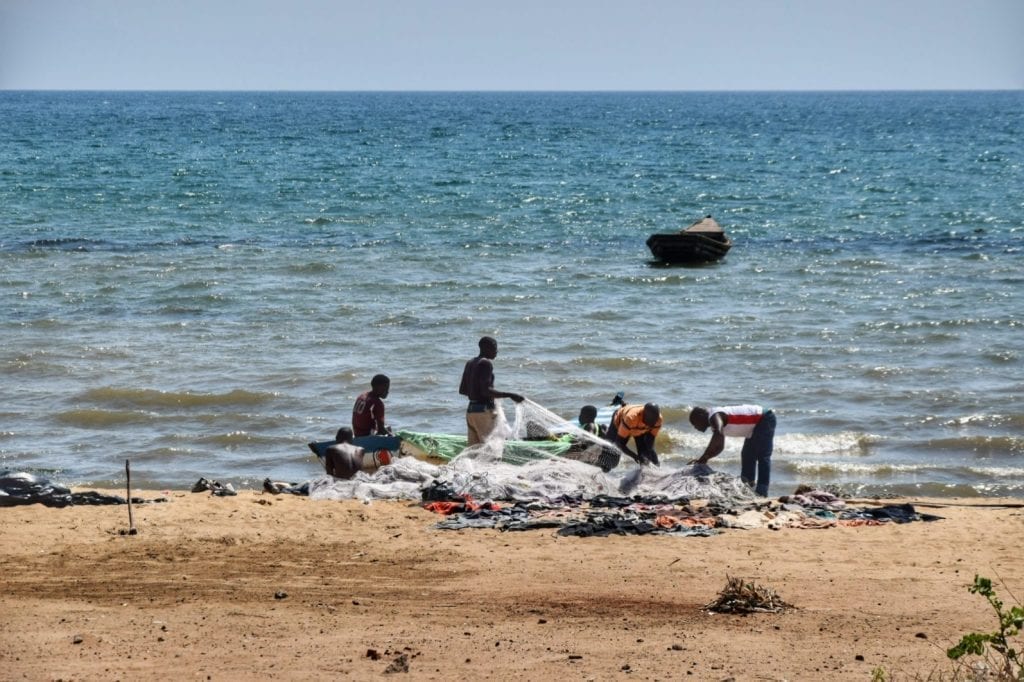
Some areas of Lake Malawi are contaminated by a creepy parasite. Bilharzia, also known as snail fever or schistosomiasis, is a disease caused by parasitic flatworms called schistosomes.
The disease is spread by contact with fresh water contaminated with the parasites. These parasites are released from infected freshwater snails.
The urinary tract or the intestines may be infected. Symptoms include abdominal pain, diarrhea, bloody stool, or blood in the urine.
Those who have been infected for a long time may experience liver damage, kidney failure, infertility, or bladder cancer. In children, it may cause poor growth and learning difficulties.
All these might seem scary, but actually, bilharzia is a very remote danger to the well-informed tourist. First of all, bilharzia is very easy to treat – be sure to buy one of the two drugs available, praziquantel or oxamniquine, available at any Malawian pharmacy.
Those medicines, especially praziquantel, are 100% effective and very safe for the body; you’ll have to take your dose in one go, six weeks after your last contact with lake water. If you don’t want to assume a drub without being sure you need it, you can get tested for bilharzia at any hospital in Malawi.
With the stringent control policy recently adopted by the Lake Malawi National Park authorities, bilharzia incidence in Cape Maclear has been greatly reduced, with the last case reported in 2017.
Monkey Bay, on the other hand, still has it. In non-touristic areas of the southern part of the lake, the incidence remains high.
Anyway, don’t let bilharzia scare you and ruin your enjoyment, just treat it after you leave the lake, and you will most likely never ever feel any of its effects.
Malaria in Malawi
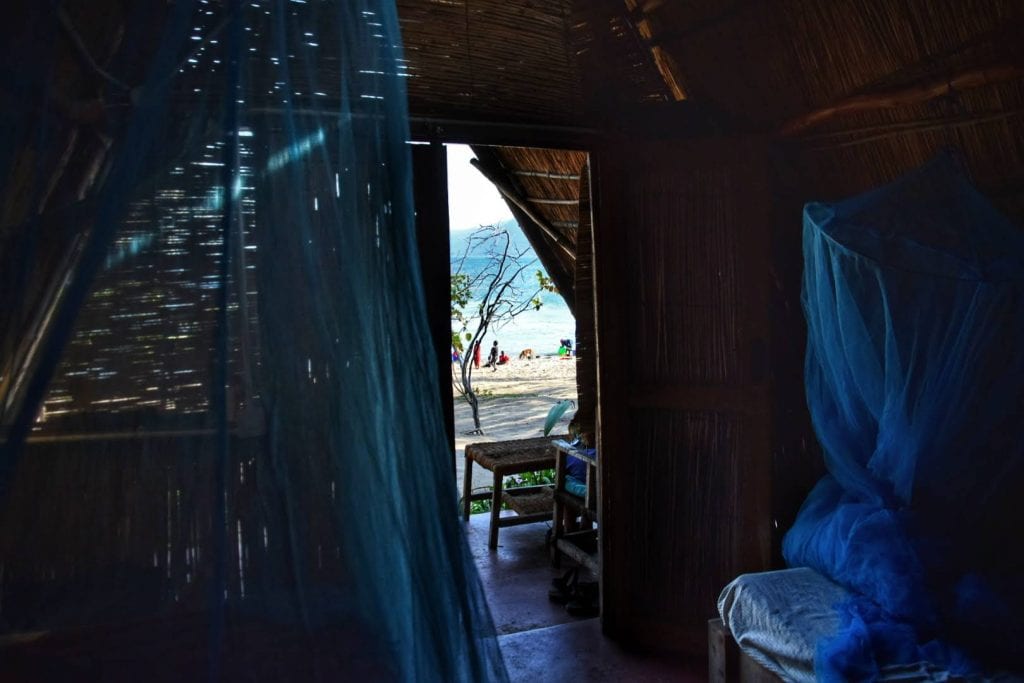
Malawi is one of the countries with the highest number of malaria cases in the world. On the lake and lowlands, risks are pretty high even in the dry season, while at altitudes above 1,200 meters, the dangers are reduced, although still present.
As you should know, there is still no vaccine for malaria, although one has been tested recently, so the only way of avoiding the nastier forms of malaria is by taking prophylaxis.
Keep in mind that taking malaria Prophylaxis won’t prevent you from getting malaria! What prophylaxis does is protect you from the most deadly forms (like brain malaria) and to soften the symptoms if you get it – Elena got malaria in Congo while taking the prophylaxis!
Moreover, most doctors do not recommend taking any malaria prophylaxis for more than three months in a row, because the drug could permanently damage the body. If your stay is short-term, though, we definitely advise taking malaria tablets.
If you don’t want to take the prophylaxis, be sure to cover your body at dusk and spray a ton of repellent. Look for guesthouses with mosquito nets.
We recommend buying some Cortem for an emergency, but it’s most advisable to head to one of the many local clinics if you feel sick… go as soon as you exhibit the first symptoms – they’ll test you for free and treat you for cheap, no one knows malaria better than those doctors.
If you are traveling in remote areas, consider buying a self-diagnosis malaria kit to test yourself; those are said to be reliable. If it’s positive, get to a health center as quickly as possible or take your Cortem.
Food in Malawi
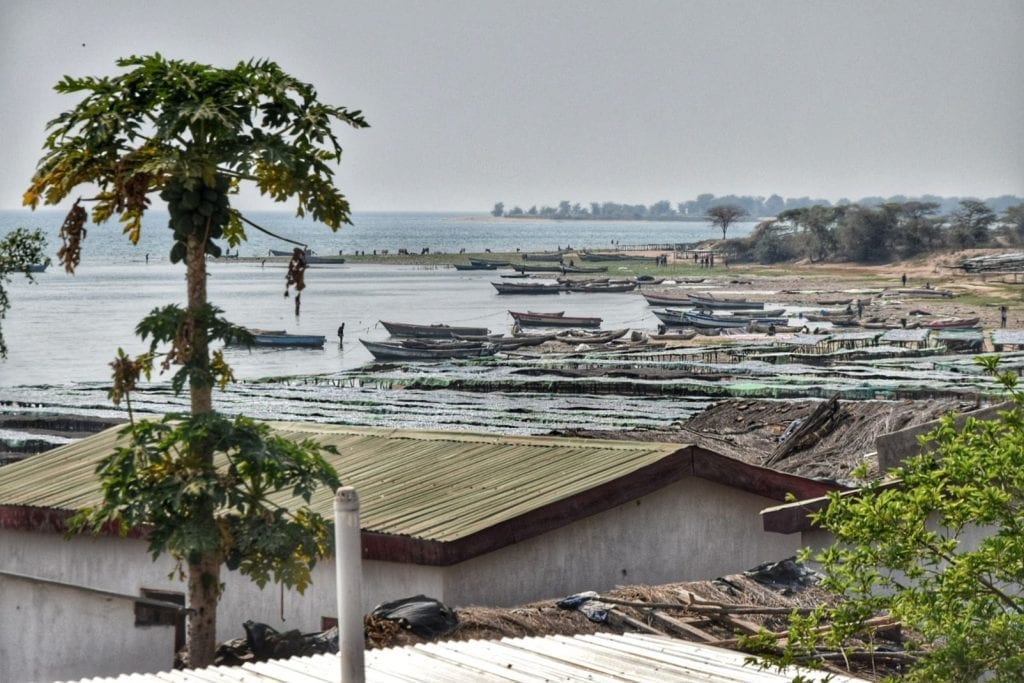
Agriculture in Malawi is more developed, and the land more generous compared to neighboring African countries, the food though is as monotonous as Zambia or Zimbabwe, Nsima (local maize meal) or rice with meat bites (usually goat or chicken) and vegetables – sometimes beans – that’s the average Malawian everyday diet.
A dish of Nsima and relish can get as cheap as 800 Kwatcha, and 2,000 Kwatcha in a better restaurant (where you’ll probably get more meat).
Muslims are a small but significant percentage of the population, so there are quite a few halal restaurants. Vegetarians will get Nsima with vegetables and sometimes eggs.
In backpackers’ accommodations and lodges, the usual international cuisine is served: hamburgers, omelets, pizza, and pancakes – quality varies from very poor to great, with prices from 3,000 to 10,000 Kwatcha or more for a dish (4$ to 15$). Fish is great around the lake (only chambo and … though)
Street food mostly consists of very widespread fried-potato stalls, cooked in an iron pan over a wood fire. They are often served with cabbage and tomato salad and are incredibly cheap.
The same style of cooking for the rarer pork meat – be careful with that, hygiene is not great, and meat is poorly preserved due to the lack of electricity.
Other super-cheap street snacks are samosas and fried dough balls, usually sold by roaming kids along the road.
The fruit is seasonal, with mango as the protagonist. Malawi is indeed covered with Mango trees. The Mango season starts in November. Besides mangoes, the usual bananas (many types), rare apples, and hard-to-find baobab fruit.
Connectivity in Malawi
WiFi in Malawi goes from very rare to non-existent. The only places with free wifi we could find are Mogza Lodge (a good location for digital nomads), and FuJa Camp in the north; most of the other lodges have paid WiFi – usually 2,500 Kwatcha for 1 GB – even this is sometimes painfully slow.
The two mobile companies operating in Malawi are Airtel and TNM. Getting a local SIM card in Malawi is easy; the whole process takes about 20 minutes, and you’ll need to have your passport or a copy.
1 GB weekly is 2,500 Kwatcha with AirTel; we both had problems with our AirTel cards, but anyone else was fine. Network coverage is pretty good. TNM unlimited data is now available: Pamtsetse, 6000 kwacha weekly, 1000 daily.
Climate and best times to visit Malawi
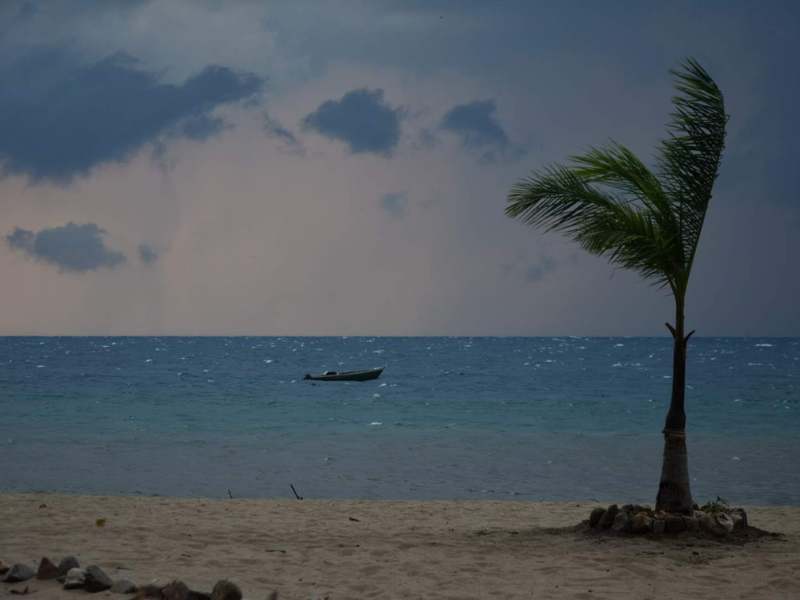
Malawi is a subtropical country located in the Southern Hemisphere. Winter (June, July, and August) is very dry and moderately cooler. At high altitudes, it can get very chilly at night.
Westerly wind blows throughout June and July, sometimes strong enough to make the usually calm waters of the lake quite dangerous to cross. Winds usually calm down in late August.
Summer is the wet and hot season, the rains are heavy, especially in January, February, and March, but it still rains throughout spring until May.
The wet season, though, is a great time to visit Malawi, which is lush and verdant during these months. It’s pretty hot and humid down the lake, though.
Overall, there’s no best time to visit Malawi, it really depends on your preferences, it’s beautiful all year round. Cycling in Malawi, though, is definitely more convenient in winter because of the better road conditions and milder temperatures.
Places to Visit in Malawi
Cape Maclear and Monkey Bay
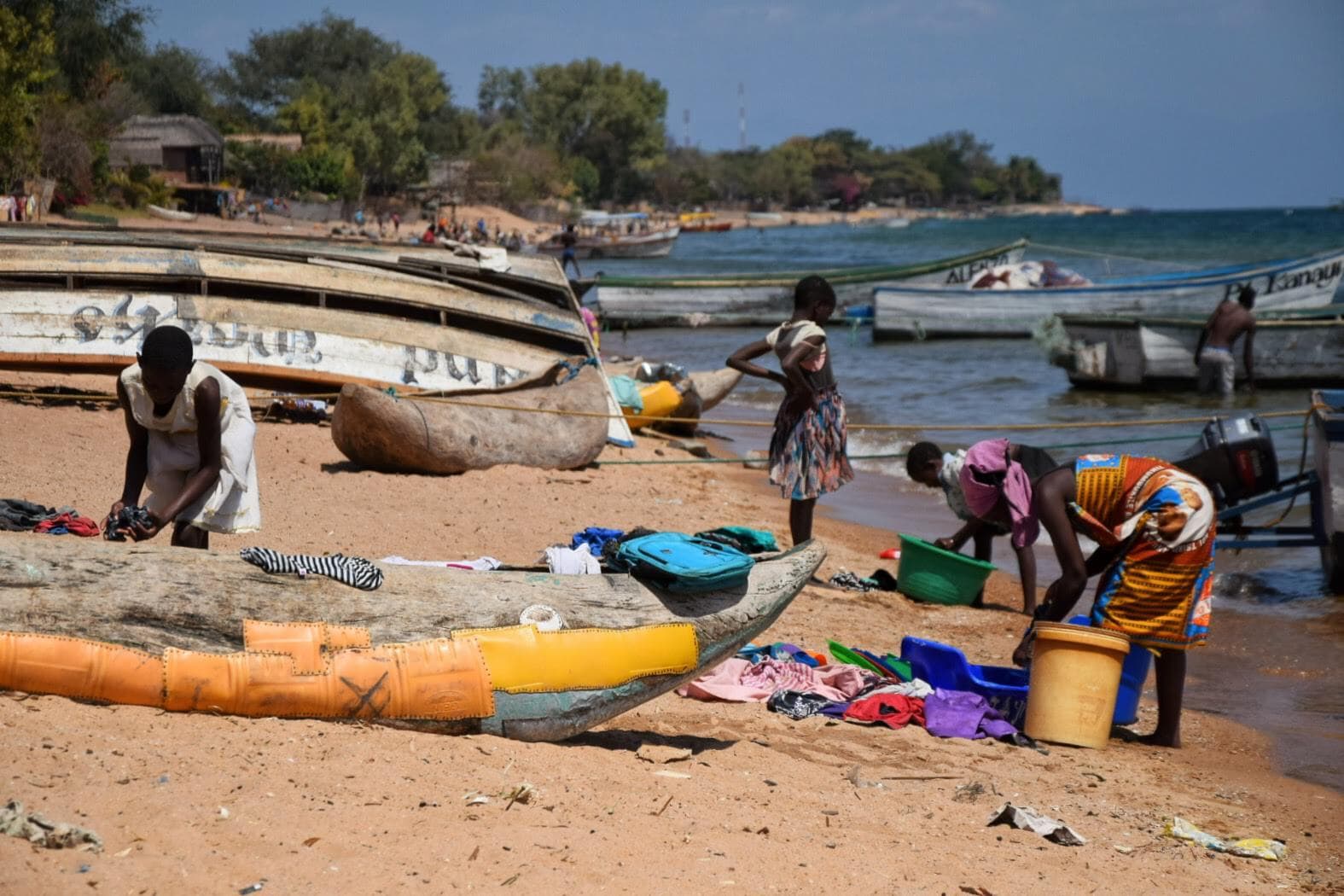
Cape Maclear, known also as Chembe, is one of the most popular tourist destinations in Malawi. Situated on the Nankumba Peninsula (Mangochi district), on the southern end of the lake, it’s the center of gravity of Lake Malawi National Park.
This busy, tiny town is basically a strip of beachfront lodges and bars. A sandy road runs parallel to the 4km-long beach, lined by small shops, stalls, and local houses.
What makes Cape Maclear so evocative is its lively humanity, busy with its daily chores on the light-gray beach, fishing, playing, washing stuff in the surreally calm waters of the bay, with the islands of Domwe and Thumbwe (Mumbo) as a scenic backdrop.
The few grocery shops are very basic, and it is hard to find anything more than bread, biscuits, and eggs – but there’s no lack of things to do in Cape Maclear.
Besides diving, you can rent kayaks or SUPs (no better place to learn Stand Up Paddling than these table-flat waters), swim, visit local craft shops, listen to the noisy Kid’s Music Band, hike the National Park mountains, and plenty of other stuff (we’ll dedicate another article to these activities).
From a historical perspective, Cape Maclear was the first site considered for the Livingstonia Mission, but it was doomed to fail due to the high mortality from disease.
Overall, Cape Maclear is one of our favorite places on Lake Malawi. There might be better beaches, but if you want to immerse yourself in Malawian culture and lifestyle, Chombe (Cape Maclear) is the right place for you.
Mgoza Lodge is our recommended place to stay in Cape Maclear, we spent 10 days there, always felt home and welcomed and never got bored.
Our second favorite in Cape Maclear is the only lodge cheaper than Mgoza, the neighboring Malambe. A double hut is 12,000 Kwatcha here, about 17$, but the huts have no electricity or plugs and are pretty small.
Very nice and cool though, made of reeds and straws. Malambe also has a small beachfront camping site for 4,000 Kwatcha per person. The restaurant doesn’t have a big choice, but the food is very good.
Upper-range lodges are the Gecko, Cape Maclear Lodge, and several others that we didn’t visit – from 50$ to 200$ per room.
If you want to spend one or more nights in Monkey Bay (a great idea if you’re going to catch the Ilala Ferry), the best place is probably the Mufasa Beach Lodge.
Although run pretty amateurishly, it is set in a great location. Camping or en-suite rooms are the best options; also, standard rooms are very grim.
If you stay at Mufasa, be careful not to go to the bay next to it; it’s a military-protected presidential villa in whose waters crocodiles and hippos roam free (I’ve personally seen this from up-close!).
Lilongwe
Honestly, Lilongwe didn’t leave us with the desire to return. The city is small and relatively quiet, but also pretty ugly and a bit dirty.
There are a few clubs with occasional live music in Lilongwe and, of course, many bars and international restaurants, but that alone doesn’t seem enough to justify losing one day in Lilongwe.
If flying in, you’ll most likely need to pass through; otherwise, you can just avoid the city and spend your time elsewhere.
Dedza
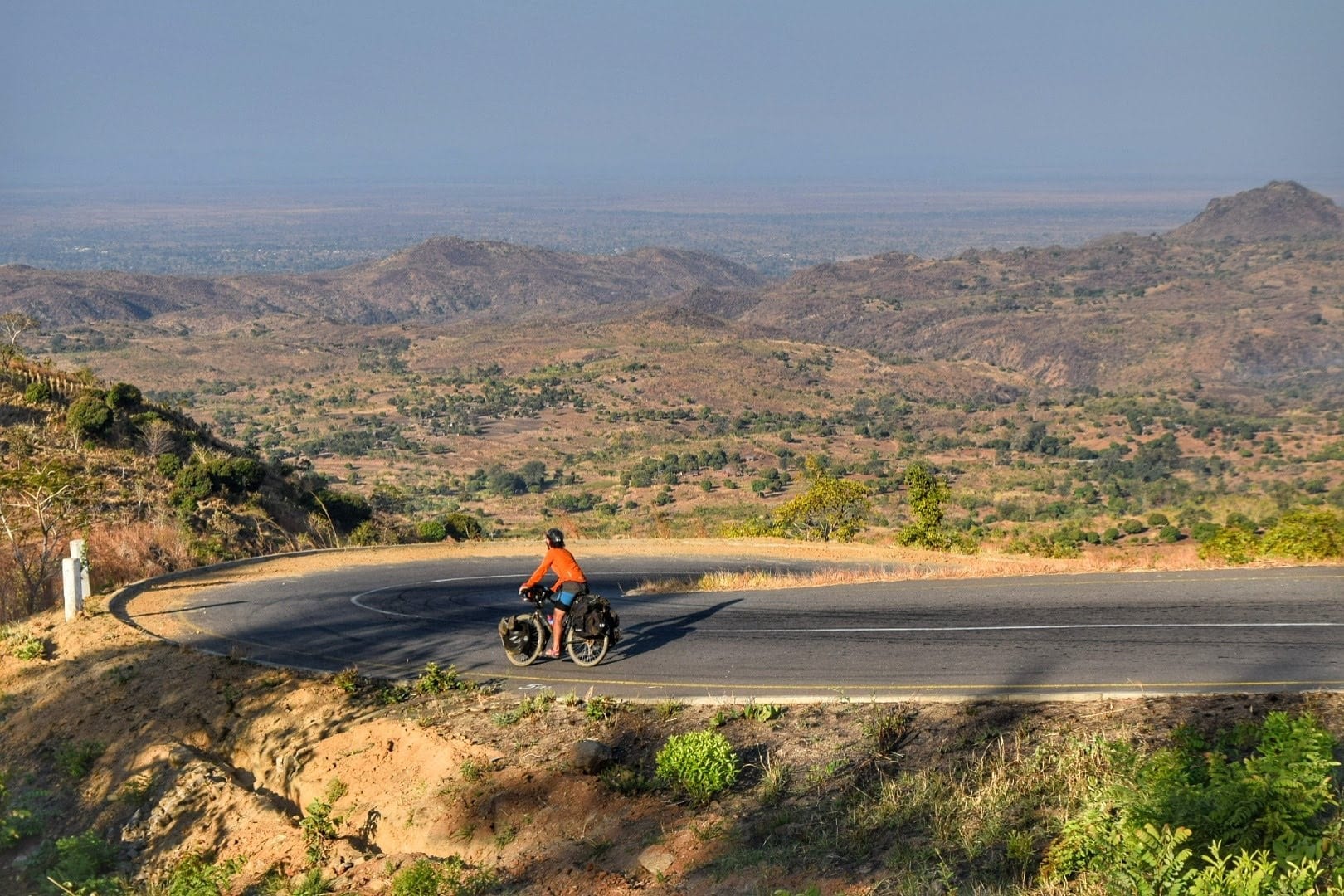
Located 80 km southeast of Lilongwe, Dedza is an interesting stopover to add to your Malawi backpacking itinerary if you have time.
At 1600m (5300ft) Dedza is the highest town in Malawi, sitting in a scenic landscape of forests and highlands, the road connecting Dedza and Golomoti (in the valley) is one of the most scenic in Malawi. Gorgeous views from the many switchbacks make driving this road definitely worth it.
The Dedza area has been settled since prehistoric times, and both old and new artistic traditions are still evident. The local pottery is decorated with brightly colored designs or local scenes, which can be admired and bought at the factory shop.
The nearby Chongoni Rock Art, a UNESCO World Heritage Site, showcases artwork dating back to the early Stone Age.
Likoma and Chizumulu Island
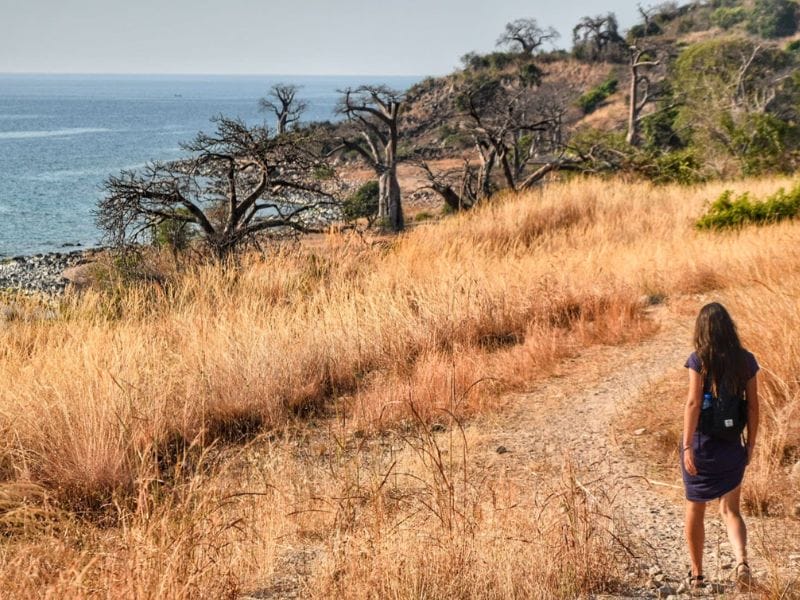
Covered in Baobabs and tall golden grass, the island of Likoma is an absolutely unique gem; its pristine waters and golden sandy beaches make it a leisurely off-the-beaten-path destination. The island is very small, with about 9,000 people scattered across it.
The village of Nkwazi is the only place where to find shops, very small ones with basic stocks. There are also two budget rest houses in town and a couple of bars.
The lodges are always beachfront, a total of X, scattered across the different corners of the island. The two budget options are the Mango Drift (30$ double chalet with shared bathroom – 5$ per person for camping) and the Ulysa Bay Lodge (45k Kwatcha).
Mango Drift is set in a stunning location, but is poorly managed, especially the bar/restaurant. They offer free-to-use, well-maintained kayaks, soups, and snorkeling gear. A diving center is annexed; check our article about diving in Malawi.
Likoma can be reached by plane from Mzuzu or Lilongwe (150/200$ return with Ulendo) or by boat via the Ilala Ferry (once a week) or the Mozambican boat Chambo (twice a week).
Nkhata Bay
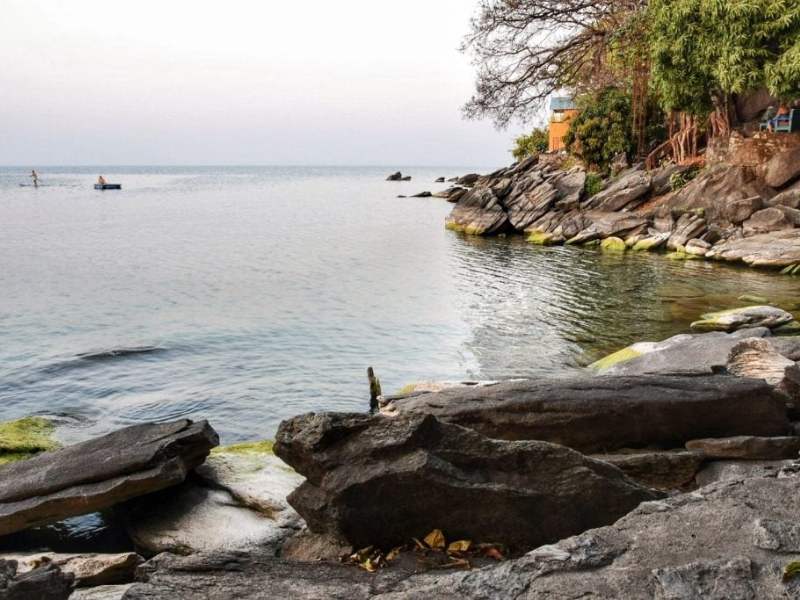
Nkhata Bay is the most touristic place in North Malawi; the lake’s shores are rocky, and the water is deep here, with no Bilharzia and fewer crocodiles.
The waters of Lake Malawi are pristine as usual, the cliffs shelter the bay from the winds, and cichlids are plentiful.
The town of Nkhata Bay is busy and well-stocked by Malawian standards, with big grocery stores, plenty of local bars and restaurants, and a nice market.
Accommodation options range from local rest houses, which are very good value at 4,000 Kwatcha per room, but not on the beach, to backpackers lodges.
The only locally run place on the lake is the One Love Camp, owned by a Rastaman. Very basic but nice and cheap.
Among the three backpackers, the Blue Moon, the Butterfly, and the Mayoka, the letter is the better runt. The Mayoka has a busy backpacker vibe, free kayaks, a pizza night, and other activities.
Besides the usual snorkeling and kayaking, other things to do in Nkhata Bay are visiting the local brewery, walking around the town, and taking a boat trip to the nearby fishing villages.
In Nkhata Bay, some people will approach you trying to sell improvised tours; those can be a nice experience or a scam – trust your guts.
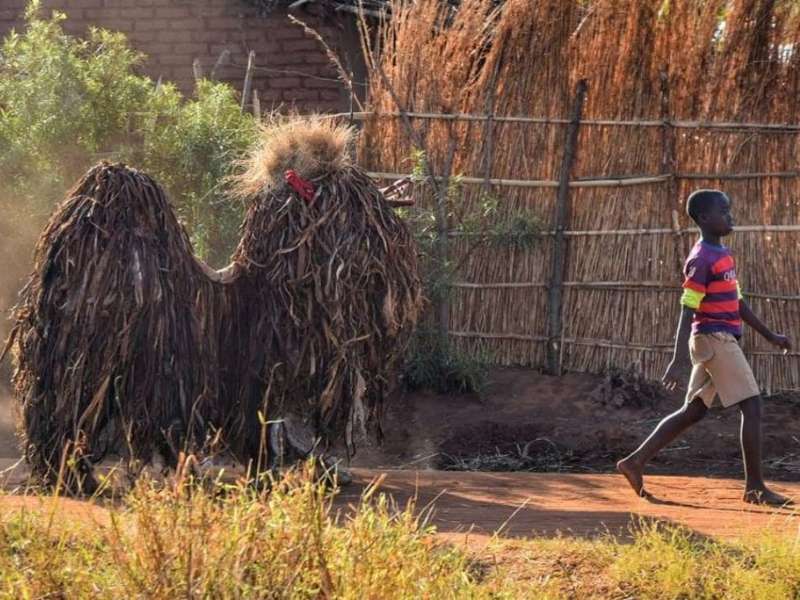
We were also offered a private show of a local music band and even a fake Gule Wamkulu; needless to say, we refused this circus.
Livingstonia
Livingstonia is the first white settlement in Malawi, a Christian Mission. The mission’s first site was Cape Maclear, but missionaries escaped to the highlands because of the high toll exacted by diseases such as Malaria and Bilharzia.
The small town has a colonial atmosphere and a history museum, but the area’s best tourist attractions are certainly nature-based.
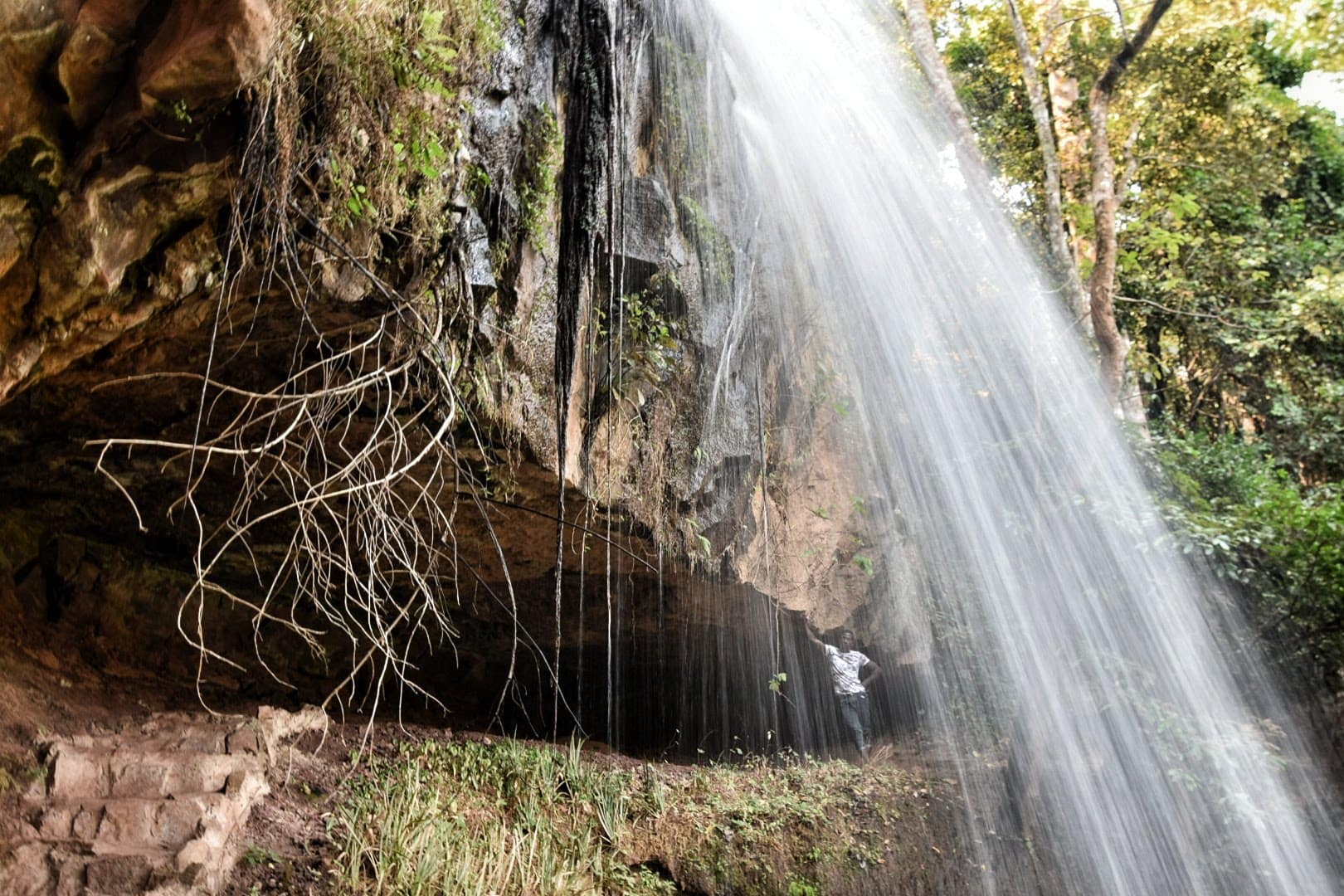
Indeed, here the Nyika Plateau drops almost vertically into the lake, a scenic mountain escarpment with some big waterfalls and amazing views. Probably the best hikes in Malawi are in this area.
The 1/2 overnights from Livingstonia to Chelinda Camp up Nyika Plateau, and the coastal hike (also about 3 days) from Chitimba (the lakeshore village down from Livingstonia) to Usisya.
The easiest of the hikes takes about 90 minutes from Lukwe and leads to the viewpoints on the nearby waterfalls and to the cave behind one of those, there’s an entry fee of 1000 kwacha and local guides will try to make some bucks out of you by showing the way to the cave.
Great accommodation options are available near Livingstonia, the backpacking vibe of the Mushroom Farm, and the chilled and incredible attention to detail of Lukwue (closed at the moment).
Those are both budget-friendly accommodations, but if you want to spend even less, there’s a local guesthouse in the town.
Livingstonia is reached by two roads: the road to Rhumpi is gravel, with unpaved sections; it’s a good, scenic road. Otherwise, you can reach Chitimba from the main road (tarmac), then climb the steep 12km of a rocky road to Livingstonia (Mushroom Farm and Lukwe are located along this road).
Getting up this latter historical road requires a 4×4; motorbike taxis are available for 4,000 kwacha, and hiking it takes 3/4 hours (2/3 by loaded bicycle).
There’s accommodation in Chitimba, but we don’t recommend staying in any of those places, except the Kings Highway camp, which is a great stop for overlanders.
Mzuzu
Mzuzu is the capital of Northern Malawi and the third-largest city in the country. Its population, though, roughly 220,000 people, is still comparatively low and widespread, making Mzuzu a lively center of gravity but definitely not a crowded city.
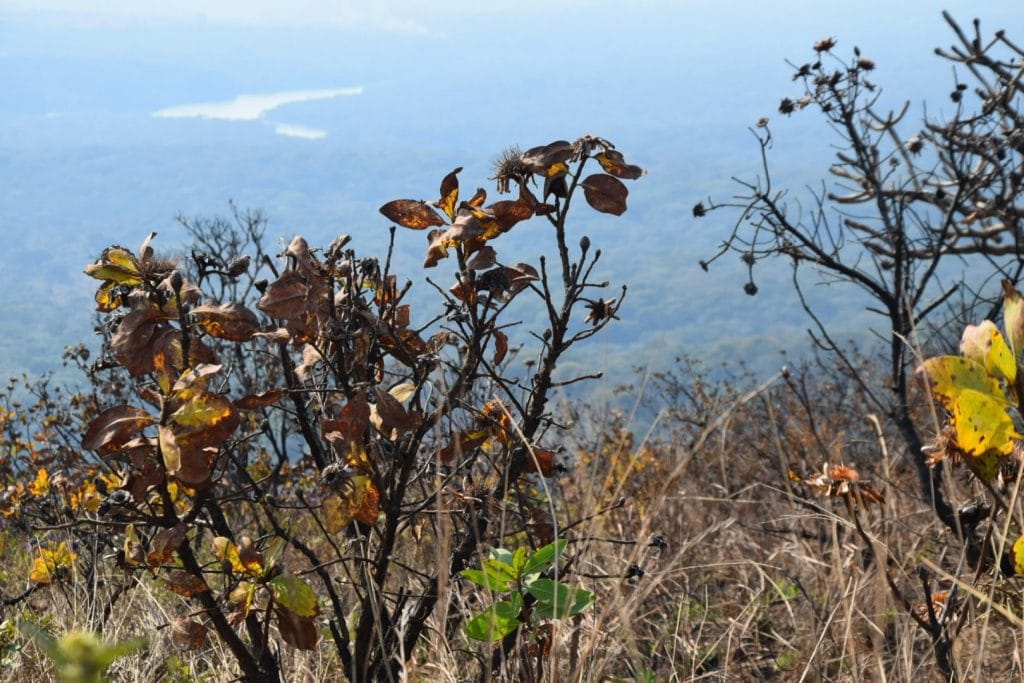
Its setting is very pleasant, amid the lush valleys of one of Malawi’s greener parts, a gap in the Viphya Mountains, while temperatures are mitigated by the high altitude (1,250 meters).
There are several hiking opportunities straight from Mzuzu, with the Lunyangwa Forest Reserve immediately on the outskirts of town. This is a vast, wild, mountainous area, home to a variety of plants, reptiles (watch out for the poisonous snakes), insects, and birds.
The city itself is interesting, with restaurants, markets, and bars, but Mzuzu is especially great as a base for exploring the surroundings, just 50km from both the wildlife park of Vwadza and the clear lakes of Nkhata Bay. Nyika National Park and Livingstonia are also doable as day trips from Mzuzu.
Mzuzu is the only place in North Malawi with proper supermarkets and shops, which also makes it a kind of mandatory stop for Overlanding travelers.
We recommend staying at Macondo Camp and Italian Restaurant or at Umunthu (behind ShopRite in the city center)
Nyika Plateau
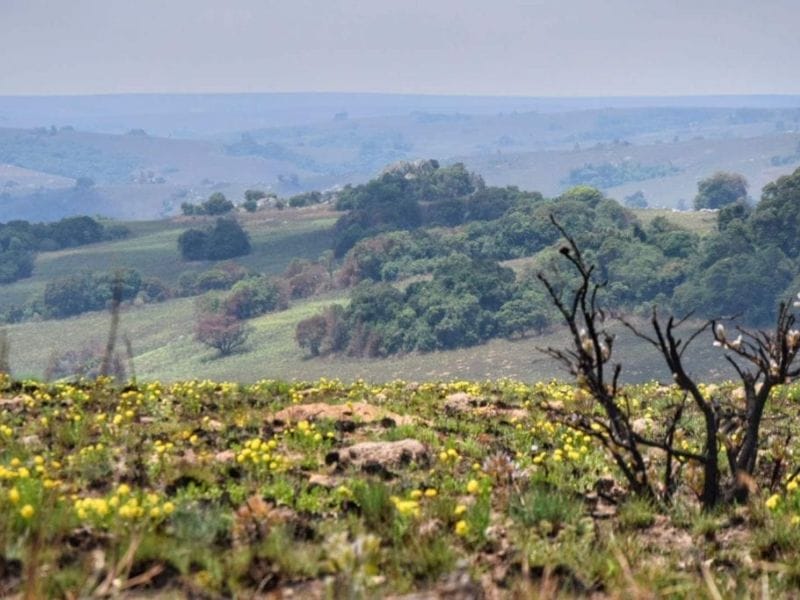
Nyika is a wild mountainous area in the north and the first National Park in Malawi. Its altitude of 1,800 to 2,200 meters makes its features unique in Malawi.
A grassy plateau, covered in colorful flowers, treeless at its tops but surrounded by dense forest, is a rare sight in Southern Africa.
Nyika National Park is also home to a great variety of wildlife: zebras, hyenas, leopards, bucks and antelopes, honey badgers, civets, numerous birds of prey, and, recently, elephants and a lonely lion.
This gorgeous plateau used to be a hiking and mountain-biking paradise, but the recent reintroduction of elephants and the arrival of a lion from Zambia (on its own) changed the game a bit in Nyika National Park.
Roaming unguided and unarmed is no longer safe, so you should hire a ranger for your hikes or bike rides.
It can get quite chilly up here, so be sure to layer up and wear appropriate hiking clothes.
Staying in Nyika is not cheap; the only available accommodation inside the park is the official Chelinda Camp, with camping at 15 USD per person per night and shared chalets starting at 150.
Getting to the plateau and Chelinda Camp is not easy at all: the road from the north gate near Nythalire is steep and incredibly rocky, very challenging. The road from the south gate is much better, but it’s still 4×4-only, very long, and slow, taking 5 hours from Mzuzu or 4 hours from Vwadza.
Vwaza National Park, Marsh, and Wildlife Reserve
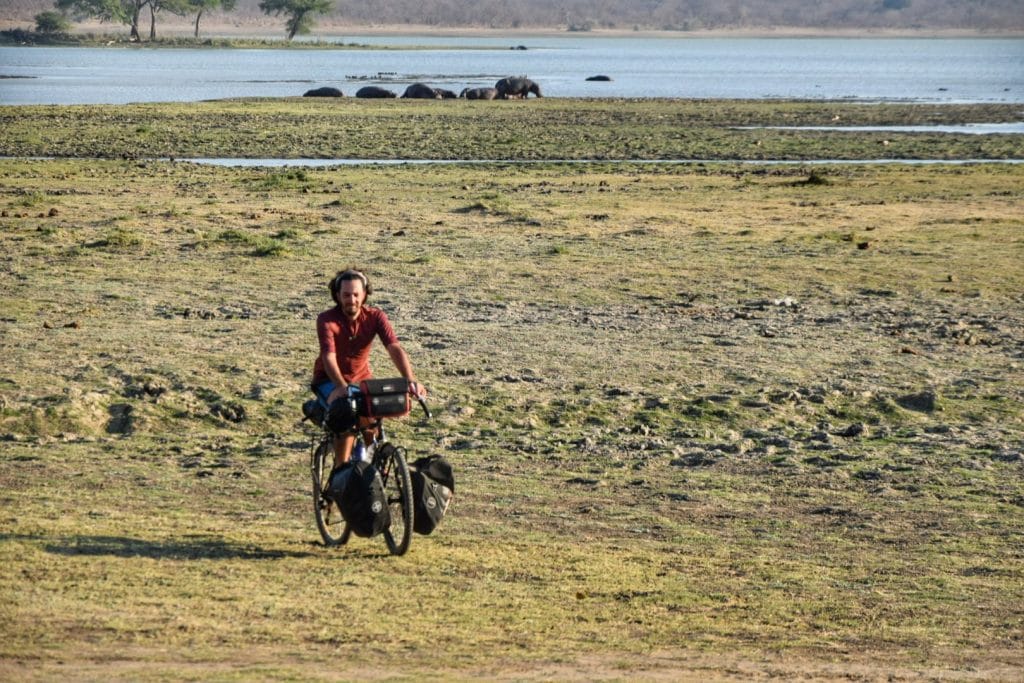
Vwaza Wildlife Reserve is an area of marsh and plain with a few rocky outcrops. It measures 400 sq miles (1000 sq km) and lies along the Zambian border north-west of Mzuzu.
There are 2,000 elephants, many hippos, crocodiles, buffaloes, cranes, storks, and many other animals (more than 300 bird species have been recorded).
There’s an official lodge inside the park, just 1km from the gate. The place is quite run-down and doesn’t offer any services like a restaurant or bar, just five basic chalets (cold water) and a woodfire kitchen. It is very cheap, only 10,000 kwacha for a whole chalet. The price of camping is instead 7,000 x person (?!).
The camp is located on the shores of the lake/marsh, and it’s very common to see the passage of herds of elephants and buffalo straight from your porch. A band of hippos lives nearby, always in sight.
Entering Vwadza National Parks requires the payment of a 10 USD fee (per person). You have to pay this conservation fee for every day spent in the park. We were asked to pay for it again if going on a walking safari in the morning.
A good opportunity to avoid this overcharge is offered by Mother Elizabeth Organic Farming and Safari Camp, located just outside the park.
You can overnight there if you arrive late in the afternoon, and enter the park the next morning. This way, you will pay the entry fee only once. The walking safari is incredibly cheap (10 USD per person) and worth it.
Other Places to Visit and Tourist Attractions in Malawi
Other interesting destinations in Malawi are:
- Mount Mulanje, the highest peak of Malawi
- Zomba,
- Mua Mission and the Kungoni Centre of Culture & Art
- Usisya
- Chinteche
- Kande
- Nkhotakota
- Chilumba
If you would like to learn more about Malawian culture and history, check out these articles
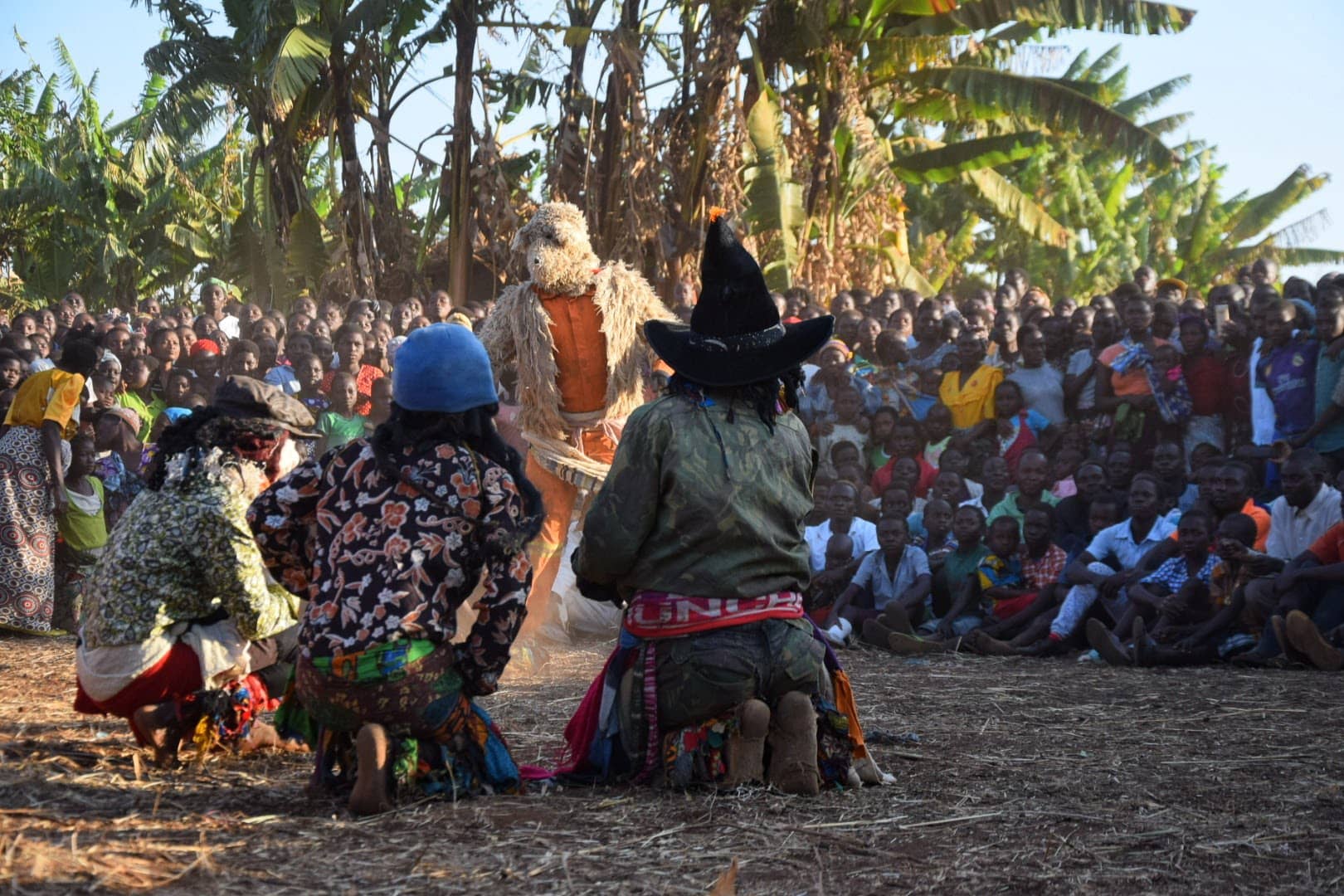
- Gule Wamkulu – The Upside-Down World of Malawi
- Mzuzu – 7 Unusual Things To Do & Experience Like a Local
more about Lake Malawi in
other African destinations
- Cycling South Africa – Everything you need to know
- Backpacking Mozambique – a great itinerary of the South
- Lesotho – A Road Trip Through the Kingdom of the Sky
- Zambia – South Luangwa NP, the best wildlife park in Southern Africa?
- Self-Drive Namibia: Road Trip Itineraries and Ideas