

Last Updated on 17 January 2026 by Cycloscope
Traveling in Brunei: our trip, bicycle touring, and backpackingin Brunei
This article is part of our “DIY Adventure Travel in Borneo” series, which provides a detailed description of the 3rd part of our Bicycle Touring itinerary.
Disclosure: Some of our articles contain affiliate links. This comes at no additional cost for you and helps us keep this website up and running. (as Amazon Associates we earn commission from qualifying purchases)
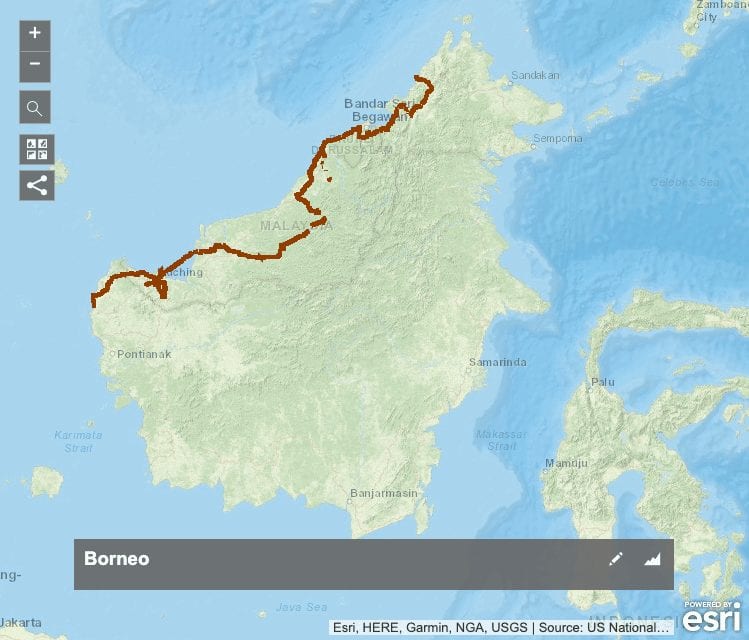
Crossing the Brunei Sultanate and the border between the two Malaysian states of Sabah and Sarawak, 318km from Beaufort to Miri.
Links to the other parts are at the bottom of this page, along with a route map with an elevation profile and a street-level photo map taken from our bikes.
Here are some general things to know about traveling to Borneo on a Budget.
Check also
31 highlights to include in your Borneo itinerary
A few facts about Brunei
Brunei is one of the only two remaining Sultanates in the world, the other being Oman. It has the 4th-highest GDP per capita in the world (World Bank, 2015), and the Sultan is the 4th-richest Royal (Forbes). Crossing into this small state, the wealth difference from the not-so-poor Malaysia is astounding.
Although only 5,765 square kilometers in size, Brunei still doesn’t make it into the top 10 smallest countries in the world, but it is small enough to cross on a bicycle in just one day.
Brunei is divided into two parts, not connected to each other, both surrounded by Sarawak; we’ll call them “Small Brunei” (27km) and “Big Brunei”. Kilometer indications in this article are based on the Beaufort scale.
From Beaufort to Lawas
From the negligible town of Beaufort, the ride is flat, indeed, here they appear, on the left and on the right, endless plantations of oil palms.
There’s a short stretch where the situation improves a bit. Next to the Klias Forest Reserve, the landscape reminds us of the Philippines, with its green rice fields and majestic mountains on the horizon.
After 44 km we cross Sipitang, a coastal village with brown sea water, perhaps because of the monsoons or perhaps for the nearby refineries, there’s a boardwalk with a lot of restaurants here, good for a lunch stopover.
We cross the border between Sabah and Sarawak, and they stamp the passports as if we are crossing the border of two different countries. Sarawak and Sabah are the two regions that make up the Malaysian part of Borneo.
Palm oil camping
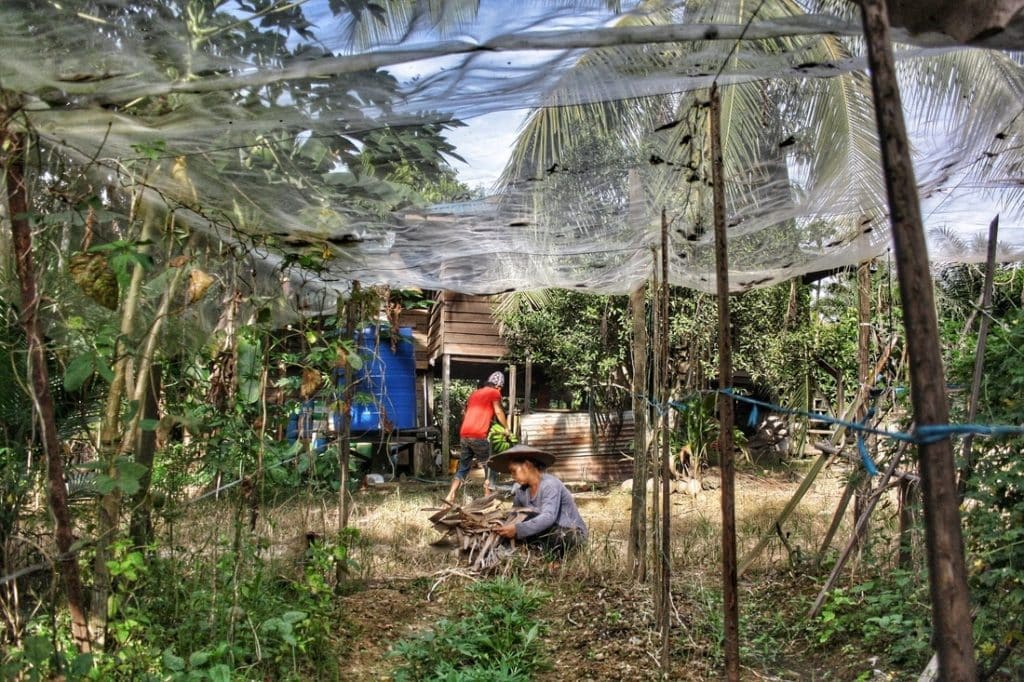
In a short while, the oil palms begin again; we pitch a tent in one of those plantations and go look for someone to ask for permission, but see nobody around but mice. Near the tent, there is a mysterious source of water.
Deforestation to make room for the palms destroyed rivers and streams, but this odd source is here, forms a pond of two square meters with a lot of fish, looks quite deep, and the water is clear, good to get rid of the sweat. We sleep well enough through another rainy night. 65km today, taking it easy.
In the morning, we cross a small hill from where it’s possible to realize the immensity of the plantations, ’til the horizon.
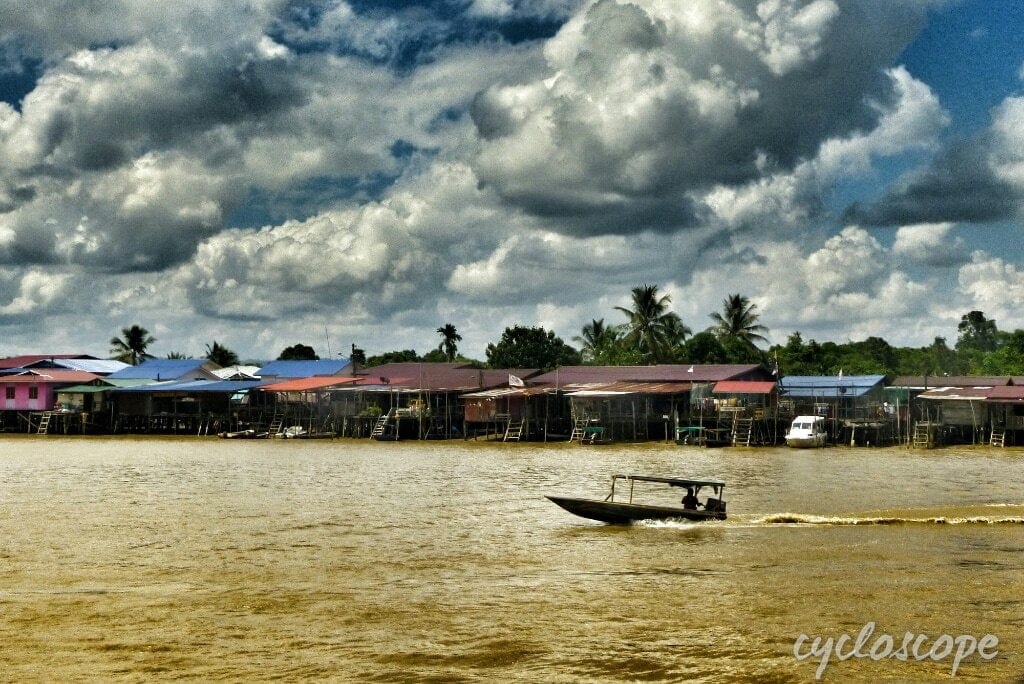
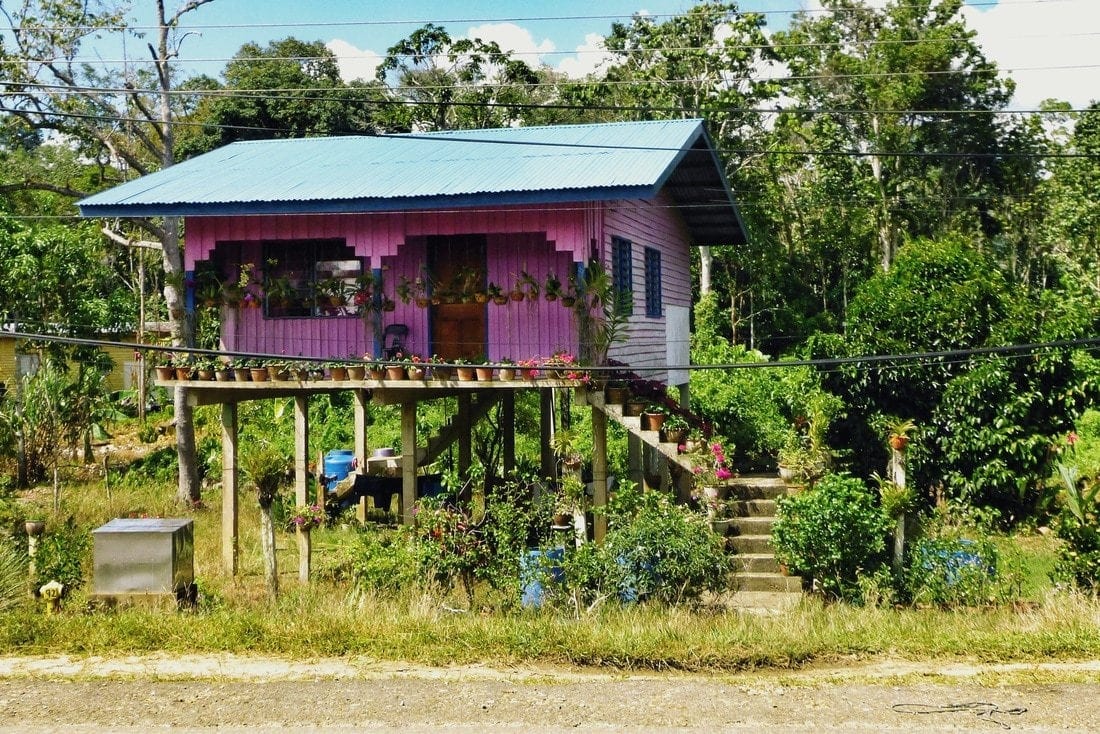
But at least there is something nice to see in this area, the traditional stilted houses, beautiful and colorful, mostly made of wood, with manicured gardens and flower beds.
At km 95, there’s the small river town of Lawas, which has plenty of accommodations, some interesting stilted villages out of town, and a boat connection to the Tax-Free island of Labuan.
From Lawas to Limbang: Across Small Brunei
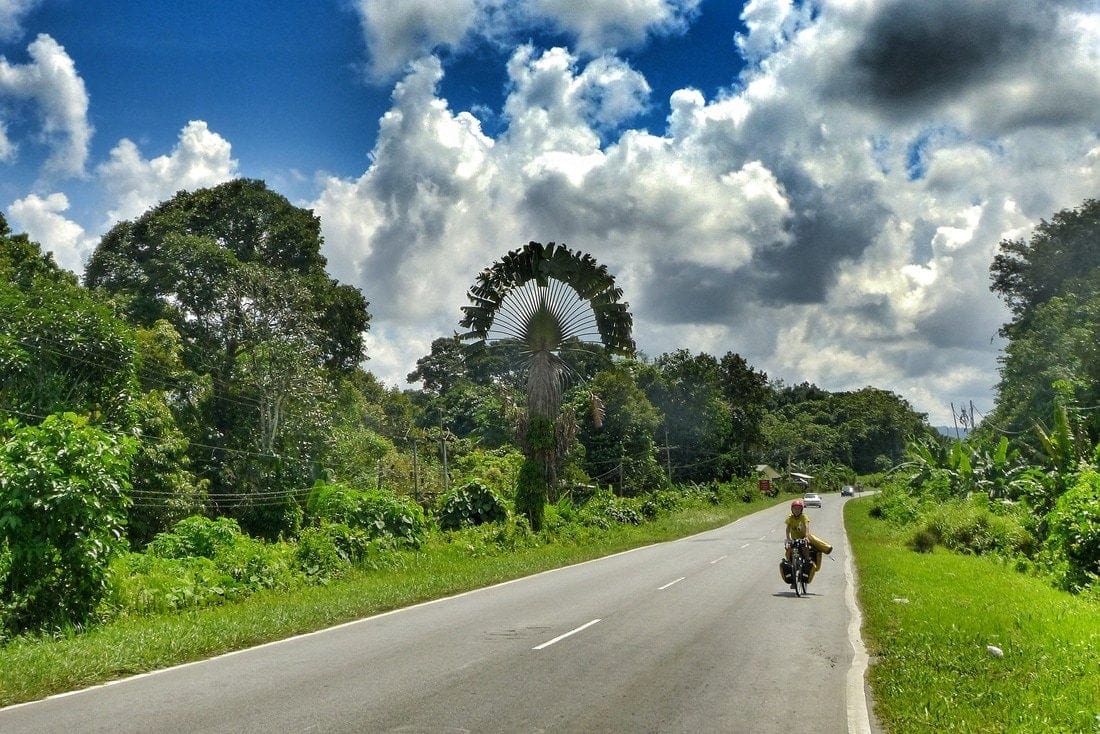
Around 120km from Beaufort is the first Brunei border. Entering Small Brunei, there’s no flag or “welcome to Brunei” sign, so no souvenir photo here. This part of Brunei is easy to cross in less than two hours, just 27km from border to border.
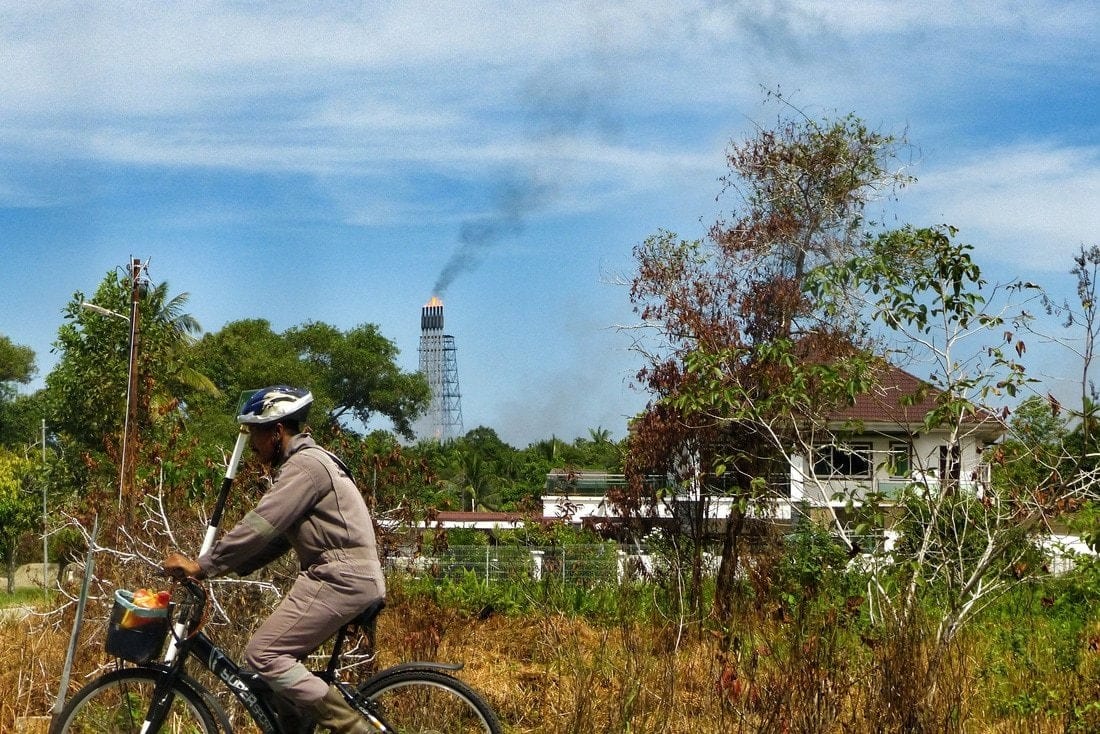
There are very few houses, and the forest is almost on the road, where they have so much oil that they may not need to plant oil palms; their kind of oil is much more valuable.
So the atmosphere is very different from Malaysia, much wilder. Indeed, the Sultanate is strongly committed to preserving its forests, and it is also developing responsible tourism in Brunei.
We see a few large gray monkeys in the trees (macaques), loud sounds of insects never heard before filling the air, or maybe they are birds.
One sounds like a dog and another like a firework, always about to explode but never doing it. We like this part of Brunei.
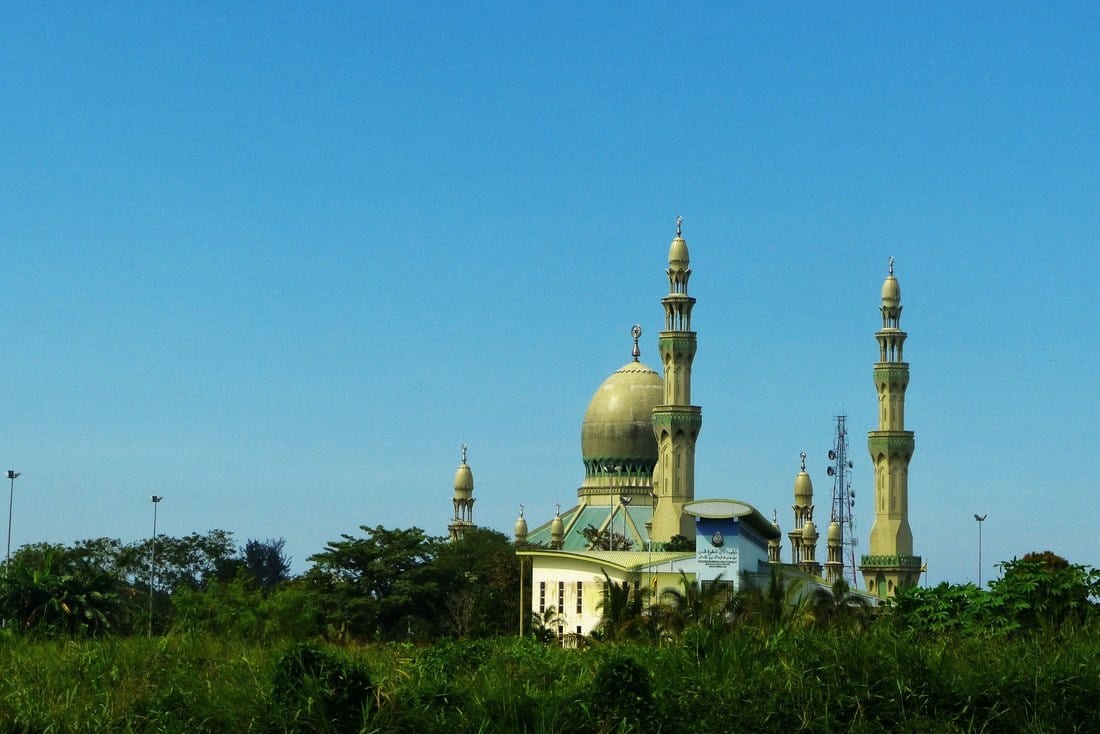
The only town here is Bangar, near the border with Malaysia, very nice and tidy, with a few small but cute mosques.
Without even noticing, we are back in Malaysia. The road to Limbang, the next town, is densely populated, with beautiful stilted houses again. There are not many places for a tent, and we are 15km from the border. We get to Limbang to find a cheap hotel.
Limbang is not that bad, has a nice riverside, from where to watch the longboat go past, on the other side of the river, rudimentary spillings are surrounded by mangroves.
Across Big Brunei to Miri
43 flat kilometers past Limbang, we are in the “Big” Brunei, the larger part, where the Sultan lives and where the capital is. This is about 60km from one end to the other.
Very important: there are no money exchanges or ATM until you reach Tutong! Change your money in Limbang! Not knowing the prices in the Sultanate, we ate at a Chinese restaurant just before the border.
Past the checkpoint (30 days visa-free for most nationalities), we immediately notice the difference in wealth: the houses are big and luxurious, in front of each villa, at least 4 or 5 cars are parked; cars are very cheap here, and no taxes.
This part of Brunei is more urbanized, the first 45 km have a few unremarkable hills, a supermarket, and not much else, we have no money and no water, luckily an Indian guy buys us some liquids.
Oily ways
We arrive in Tutong, the small town where we can finally withdraw some cash. We plan to sleep on a platform along the riverwalk, but the sign “danger crocodiles” makes us change our minds.
We asked for hotels in town; apparently, there’s only one, about 60 USD per night! We get on a little hill above a football field and set up the tent, where we quickly take refuge; it is full of mosquitoes. Urban stealth camping.
The next morning, we have breakfast in a bakery shop in the center of the town and leave again. From here, the road is not very nice, a busy highway until Seria, where most of the refineries are.
Seria is a town full of expats working for oil companies. It’s not a nice place, but it is an interesting aspect of Brunei to experience.
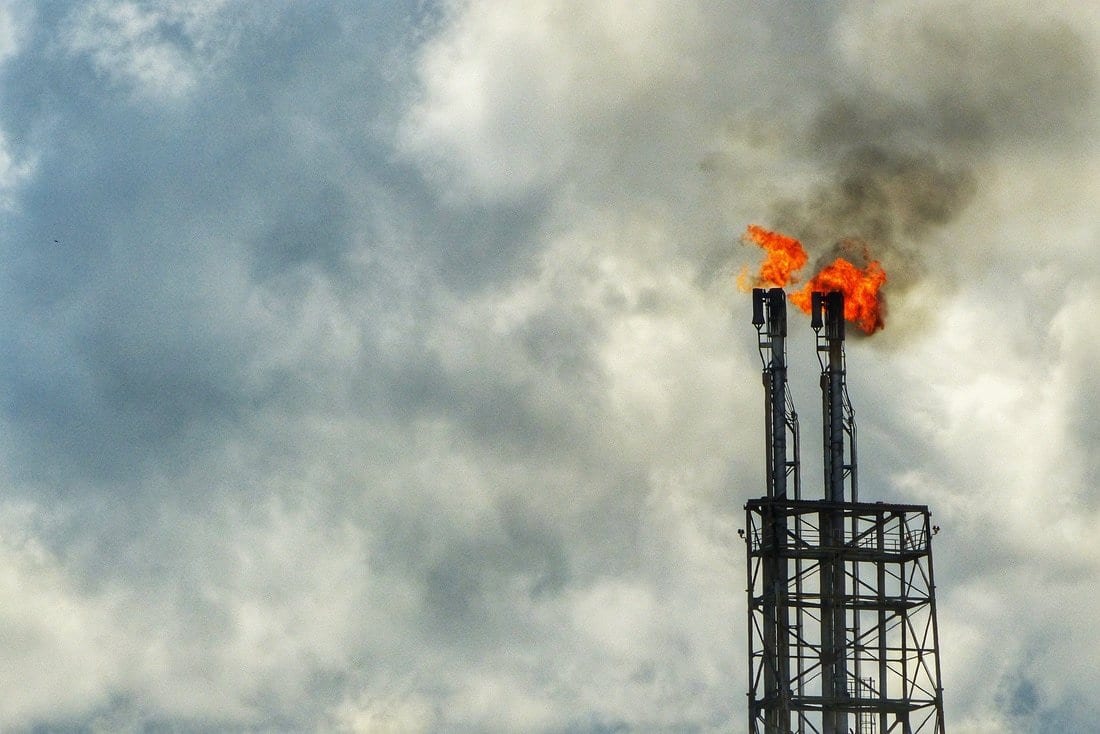
Everywhere are chimneys on fire; some small roads lead to the sea; the water is greenish-brown; and many extraction platforms line the horizon.
The only pleasant thing is the restaurant where we have lunch, which is more expensive than in Malaysia but really delicious: fried breaded mussels for me and a tofu soup for Elena; the menu is endless.
Astounding close encounters of the 3rd kind
Leaving Seria, things get nicer, and we have the most unexpected encounter. The last 20 km of Brunei are really narrow. We are surrounded by nature, the road is quiet, and the only noises are birds and insects.
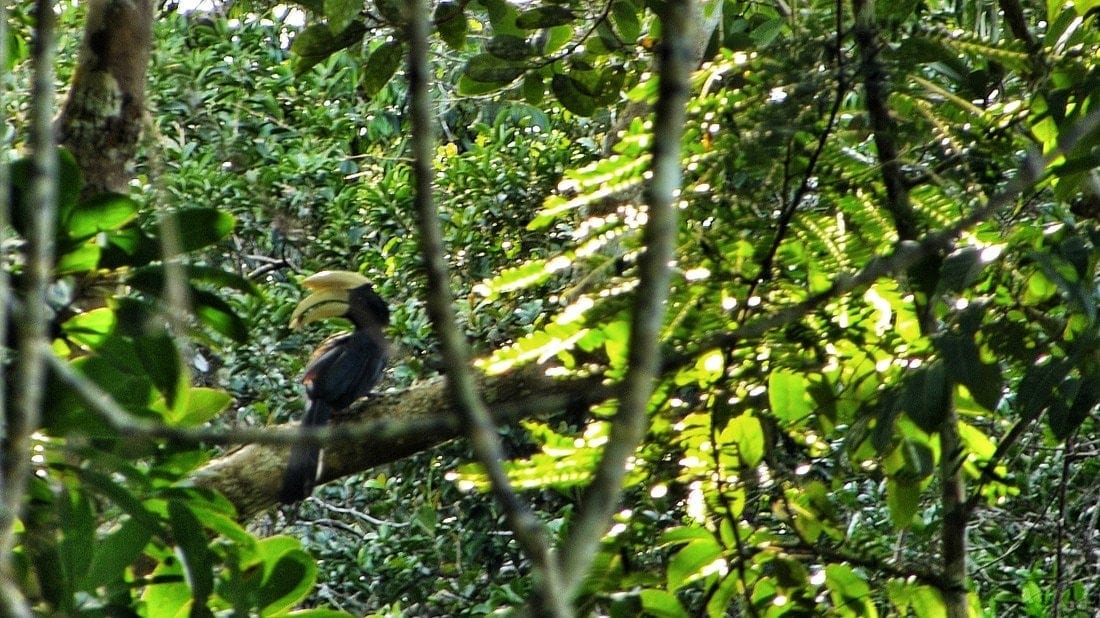
Then it happened: two hornbills in the middle of the road! I try to approach quietly. They fly to a nearby tree, and I can still see them. Hornbills are large-beaked birds, very rare and on the verge of extinction.
The ones we see are Rhinoceros Hornbills, the symbol of Sarawak, recognizable by their banana-shaped yellow casques. There are just a few left, it’s very hard to see one in the wild, lucky strike!
“…some Dayak people, especially the Ibanic groups, believe it to be the chief of worldly birds or the supreme worldly bird, and its statue is used to welcome the god of the augural birds, Sengalang Burong, to the feasts and celebrations of humankind“(Wikipedia).
The road is flat and pleasant, the forest is on our side, and many monkeys. One of them apparently wants to kill us and threatens not to get close to the tree where he lives.
Strip-tease of the no-man’s-land
We will be in Brunei and return to Malaysia in a couple of days, and we have collected 10 stamps in the passport. It’s almost dark. In the no-man’s-land between Brunei and Malaysia, there is a hotel with an adjoining strip club run by Chinese people.
It seems like a funny place, so we decide to spend the night here. The room is clean, has an air conditioner and a hot shower, but no windows…
Many from neighboring Brunei come to spend the evening in this place where there is everything that is forbidden in their home country, especially beer and all sorts of alcohol, but no less important, half-naked girls.
It’s a surreal situation: Chinese strippers, a Chinese long-haired cook covered in tattoos, a nerd maid, and her grandmother, who is at the counter doing origami and counting money. Long live the Chinese. Welcome back, Malaysia.
Did you like this article? Like it and share it! Do you have anything to add? Comment!
Our cycling adventures in Borneo
- pt1: from Kota Kinabalu to Tenom, crossing the Crocker range
- pt2: Jungle Train, from Tenom to Beaufort
- pt3: crossing Brunei by bicycle (you are here)
- pt4: Around Miri, Lambir Hills, Logan Bunut National Parks and Tusan Beach
- pt5: The Caves of Niah National Park
- pt6: From Belaga to Kuching by boat
- pt7: Kuching and Bako National Park
- pt8: Rafflesia in Gunung Gading National Park
- pt9: Overland Border crossing from Sarawak into Kalimantan, the secret Aruk border
- pt10: Sambas, the wooden Venice of Indonesian Borneo
- reportages
- Hydroelectric devastation in Borneo
- Part 1: Interview with SaveRivers
- Part 2: A Visit to Sungai Asap
- Here are some general hints to budget travel in Borneo (by bicycle or not)
From Beaufort to Miri (with elevation profile)
Follow Us