

Last Updated on 14 January 2026 by Cycloscope
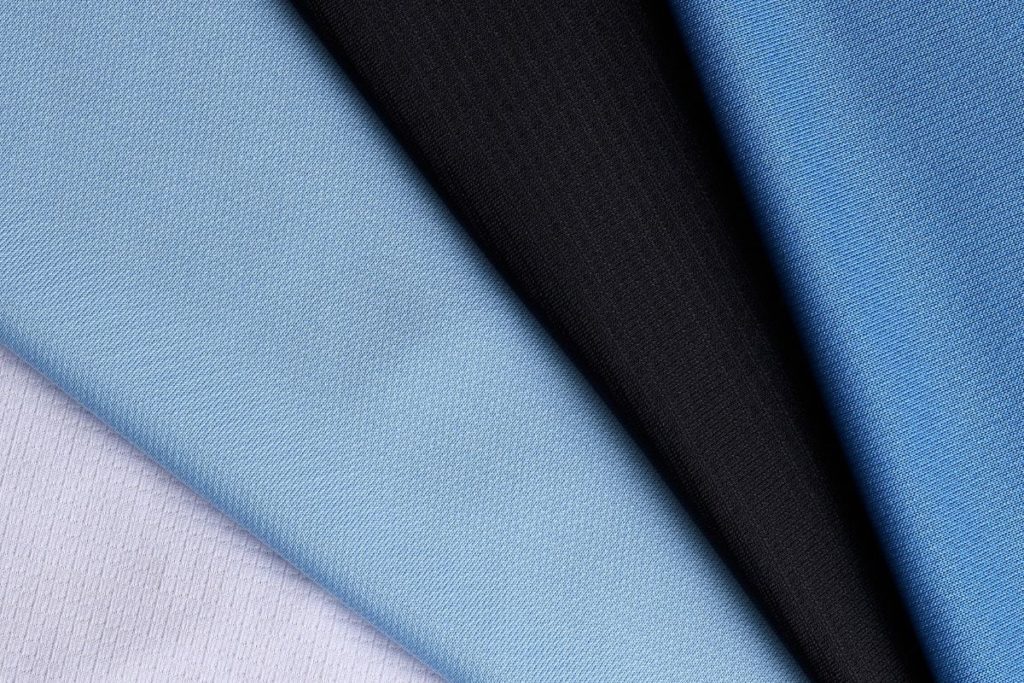
Polyester is probably the most common fabric for bags, tents, and outdoor gear. What is the 600d Polyester fabric? Is it really waterproof?
Polyester is a synthetic fiber, a polymer derived from recycled and waste materials or from bacterial fermentation. This material is often chosen because of its natural water-repellency, elasticity, and durability.
Disclosure: Some of our articles contain affiliate links. This comes at no additional cost for you and helps us keep this website up and running. (as Amazon Associates we earn commission from qualifying purchases)

Polyester is not eco-friendly, even if some polyester is biodegradable; the majority of polyester on the market is not biodegradable and is partly derived from petrol.
It is often blended with cotton to improve its durability and wrinkling profile. In fact, polyester fabric is very resistant to weather conditions, which is why it is the first choice for outdoor products such as panniers, backpacks, bikepacking bags, jackets, and clothes.
What does D mean in polyester 600D fabrics?
When you read 600d, that number refers to the number of deniers used to evaluate nylon, silk, polyester, and other fibers; it is a unit for measuring the weight and thickness of a single thread in a fabric. The more deniers there are, the stronger the fiber.
Benefits of Polyester 600D
We can summarize the benefits of polyester 600d as follows:
- It is ideal for backpacks, luggage, and outdoor gear
- It is a strong and very durable material
- It is an easy fiber to produce.
- It is resistant to wrinkles.
- Highly resistant to stretching.
- It can be mixed with other materials.
- Excellent resistance to atmospheric agents and temperature variations.
- Polyester is cheaper than other materials.
The Abrasion Resistance of 600D Polyester
Another important indicator of a fabric’s quality is its abrasion resistance.
Generally speaking, polyester 600d can withstand 25,600 cycles, meaning it will last for years.
Is 600D Polyester Waterproof?
Polyester is waterproof by nature; this is due to its homogeneity and continuity, which slow and hinder the migration of water molecules through its fibers.
However, its water resistance reaches very high levels after undergoing a process called PU (Polyurethane) coating. The purpose of this process is to protect the polyester and prevent water from entering the fiber.
Nevertheless, when shopping for items made of 600D PVC, make sure to check the label as well to confirm the waterproof features.
Application of 600D Polyester in Everyday Products
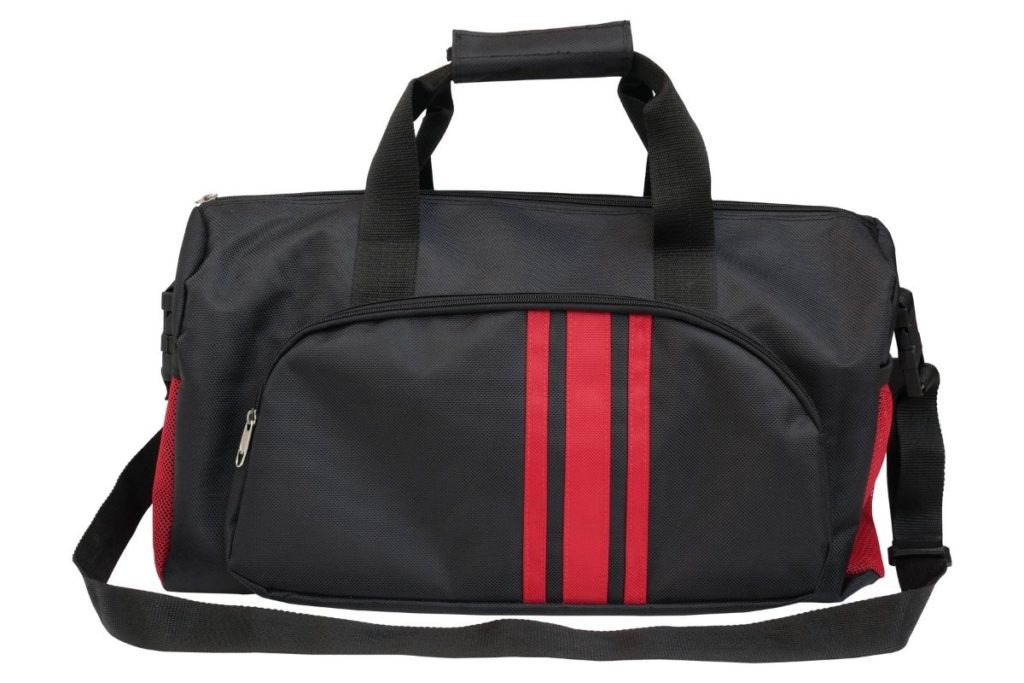
Sports Bags
As we mentioned, the 600D polyester fiber is very strong and ideal for holding heavy loads, for example, sports bags. The polyester fiber is not only resistant but also easy to clean. Check our choice, the Adidas Defender 4 sports bag.
Backpacks or Luggage
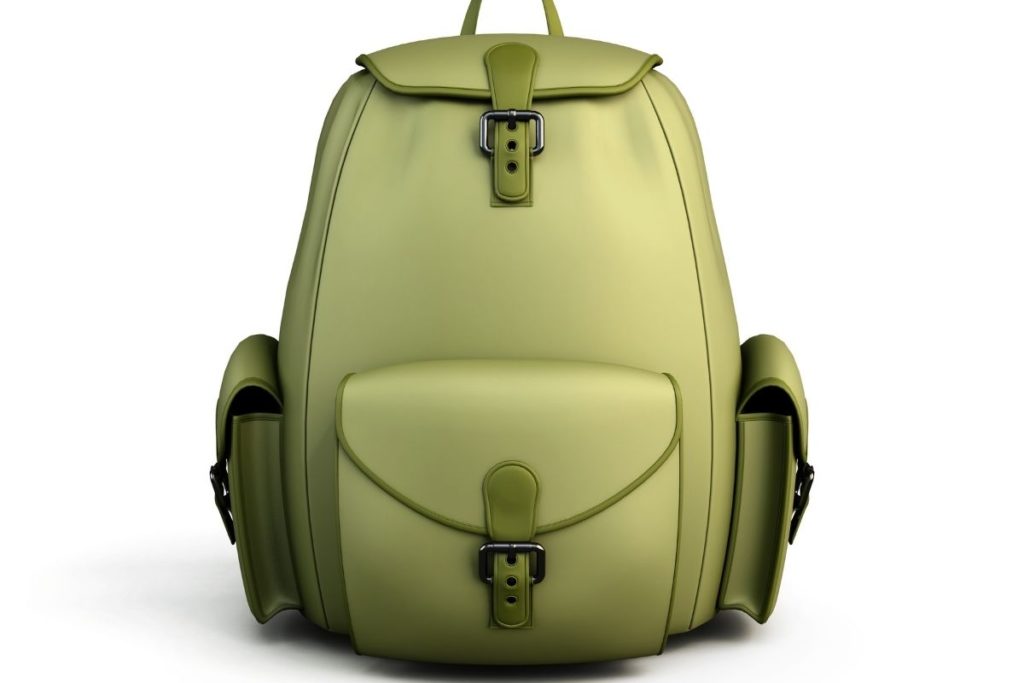
Polyester is the perfect choice for travel backpacks, especially for frequent travelers.

The fact that it comes in different colors makes it even more fun, as you can choose your preferred color to stand out from the crowd while on a trip. Check our choice, the Asenlin 40L Travel Backpack.
Read Also
5 Benefits of Wearing a Back Support Belt When Backpacking
Indoor Covers
The fabric protects household items. Many fabrics come flameproof, waterproof, and water-repellent, making it easier to cover household items, such as bicycle covers.
How strong is polyester 600d?
It is a very strong and durable material. Generally speaking, polyester 600d can withstand 25,600 cycles, meaning it will last for years.
Is the 600D Polyester Waterproof?
Polyester is waterproof by nature; this is due to its homogeneity and continuity, which slow and hinder the migration of water molecules through its fibers.
But its water resistance reaches very high levels after it goes through a process called PU (Polyurethane) coating. The purpose of this process is to protect the polyester and prevent water from entering the fiber.