

Last Updated on 8 June 2026 by Cycloscope
Stay protected on every ride with Global Insurance Advisory Services, offering expert guidance to keep your bike touring adventures safe and worry-free.
Bike Touring Safety With Global Insurance Advisory Services
Disclosure: Some of our articles contain affiliate links. This comes at no additional cost for you and helps us keep this website up and running. (as Amazon Associates we earn commission from qualifying purchases)

After 12 years of cycling across Europe, Central Asia, and beyond, we have learned that the question is never if something will go wrong — it is when. A stolen bike in a city. A crash on a gravel road three days from the nearest hospital. A forced stop due to illness turns a two-week tour into a three-day recovery in a hotel room.
None of these things ruined our trips. But they could have — financially and logistically — without the right cover in place. Insurance is not the most romantic topic in cycle touring, but it is one of the most practical. This is what we have learned.
Embarking on a cross-country journey requires careful planning. Ensuring bike touring safety is essential for every cyclist. Global Insurance Advisory Services offers a solid framework to help riders navigate the complexities of international travel. With their support, cyclists can explore with confidence and peace of mind.
Integrating professional risk management into adventure travel plans allows cyclists to focus on the road ahead. They can enjoy the thrill of exploration without worrying about unforeseen complications. This introduction lays the groundwork for a comprehensive guide on staying secure while discovering the world on two wheels.
Most off-the-shelf travel insurance policies are designed for people who fly somewhere, stay in a hotel, and occasionally lose their luggage. They are not designed for someone carrying a €3,000 touring bike loaded with camping gear across five countries for three months.
The gaps in standard policies that catch cycle tourers out most often:
- Bike value limits — many standard policies cap sports equipment at €500-1,000. A mid-range touring setup (bike + bags + electronics) can easily exceed €5,000
- Adventure sports exclusions — some policies exclude cycling entirely above a certain speed or distance, or on unpaved surfaces
- Pre-existing conditions — particularly relevant for older riders or those with any medical history
- Trip duration — standard annual travel policies often cap individual trips at 30 or 60 days. A cross-country tour can last much longer
This is why specialist cycling insurers and adventure travel policies exist — and why they are worth the extra research.
Essential Safety Gear for Long Distance Cycling
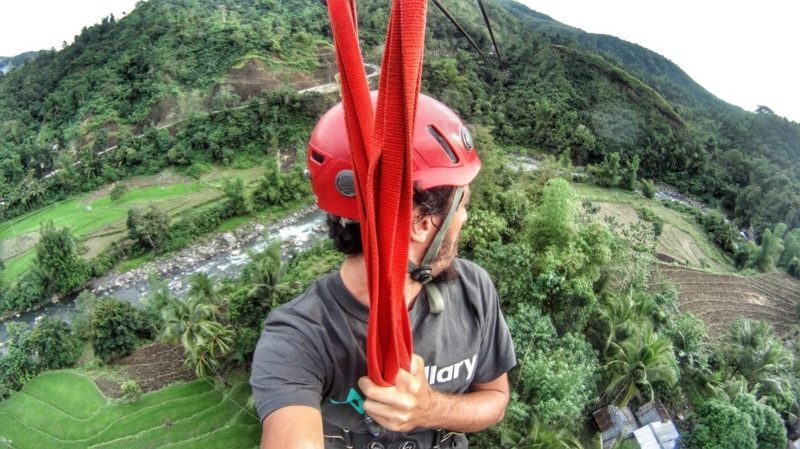
Preparing for long-distance cycling requires the right safety gear. Investing in high-quality equipment can greatly reduce risks on the road. Proper cycling gear not only enhances comfort but also ensures safety during rides. Below are key components that every cyclist should consider.
High Visibility Apparel and Lighting
Visibility is crucial when cycling, especially in low-light conditions. Wearing reflective apparel and using powerful lights can significantly improve safety. These items are essential for bike touring safety. Here are some important items to include:
- Reflective jackets or vests
- LED lights for the front and back of the bike
- Reflective tape on the bike frame
Protective Helmets and Padding
Wearing a helmet is a fundamental road safety tip for cyclists. Helmets should meet ANSI/NHTSA standards for maximum protection. In addition to helmets, padding can enhance comfort and safety during long rides. Key protective gear includes:
- Well-fitted helmets
- Padded shorts for comfort
- Wrist guards for added protection
By prioritizing these essential safety gear items, cyclists can enjoy their journeys while staying safe. Long-distance cycling should be an enjoyable experience, and proper gear plays a vital role in achieving that.
How Global Insurance Advisory Services Protects Cyclists
Global Insurance Advisory Services offers essential protection tailored for cyclists engaged in adventure travel. Their specialized cycling insurance policies cater to the unique challenges faced by cyclists on international journeys. These policies cover a range of situations, ensuring that cyclists can focus on their ride without worrying about potential setbacks.
Key features of their cycling insurance include:
- Equipment theft protection
- Liability coverage for accidents
- Support for unexpected trip interruptions
In addition to these features, Global Insurance Advisory Services provides 24/7 emergency assistance. This service ensures that professional support is always just a call away, regardless of the cyclist’s location or time zone. This level of medical emergency coverage is crucial for anyone looking to explore the world on two wheels.
With Global Insurance Advisory Services, cyclists can enjoy their adventures with peace of mind. The comprehensive coverage allows them to embrace the thrill of adventure travel while knowing they are protected against unforeseen circumstances. Whether facing equipment issues or medical emergencies, cyclists can trust that they have the support they need to continue their journey.
Navigating International Road Regulations
One of the most overlooked parts of international cycle touring is understanding that the rules of the road genuinely change as you cross borders. What is legal in one country may be a fineable offence in the next.
A few examples relevant to cycle tourers:
- Helmet laws vary enormously — mandatory for all ages in Spain, mandatory for under-16s in France, not legally required in most of Italy and Germany
- Earphone rules — in Italy, only one earphone is permitted on the road (art. 173 CdS); France bans earphones entirely while cycling
- Cycle path obligations — in Germany and the Netherlands, you may be legally required to use a designated cycle path if one exists alongside the road
- Lighting requirements — in Germany, dynamo lighting is legally required; battery lights used during the day are technically not compliant
Apps like iOverlander, Komoot, and CyclingAbroad are useful for route-specific information. For legal requirements, checking the official transport authority website of each country before departure is the most reliable approach.
Mapping Safe Cycling Routes
Planning safe cycling routes is crucial for long-distance cycling. By mapping out routes in advance, cyclists can avoid high-traffic areas and hazardous intersections. Here are some road safety tips to keep in mind:
- Use cycling apps to find the safest paths.
- Look for bike trails and paths that are well-maintained.
- Consult local cycling groups for recommended routes.
- Always stay alert and be prepared for changing road conditions.
By following these guidelines, cyclists can enjoy their international travel while prioritizing safety. Understanding traffic laws and planning routes ensures a smoother experience on the road.
Preparing for Medical Emergencies Abroad
Preparing for medical emergencies is essential for anyone engaging in international travel. Cyclists must consider the risks associated with long-distance biking in unfamiliar territories. The cost of medical evacuation can soar beyond $50,000 in remote areas. This makes having robust medical emergency coverage a critical part of any travel plan.
Global Insurance Advisory Services provides valuable assistance in securing cycling insurance that meets these needs. Their policies often include essential provisions for emergency transport and hospital care. By working with Global Insurance Advisory Services, cyclists can enhance their bike touring safety and ensure that help is readily available when needed.
This proactive approach to health and safety allows cyclists to enjoy their adventures with peace of mind. Knowing that comprehensive medical emergency coverage is in place can make all the difference in a crisis. With the right preparation, cyclists can focus on the journey ahead, confident that they are fully supported in any situation.
Insurance covers emergencies. Preparation reduces the chances of needing it.
Vaccinations: check requirements for each country on your route well in advance — some vaccinations (hepatitis A and B, typhoid, rabies for remote areas) require multiple doses over several weeks.
Medications: carry a sufficient supply of any prescription medication, plus a doctor’s letter in English explaining what you carry and why — useful at borders and in emergencies.
Blood type and allergies: carry a card in your wallet (or a medical ID bracelet) with your blood type, any allergies, and emergency contact information. Keep a digital version accessible on your phone’s lock screen.
Dental: get a check-up before a long tour. A dental emergency in a remote country is expensive and miserable in equal measure.