

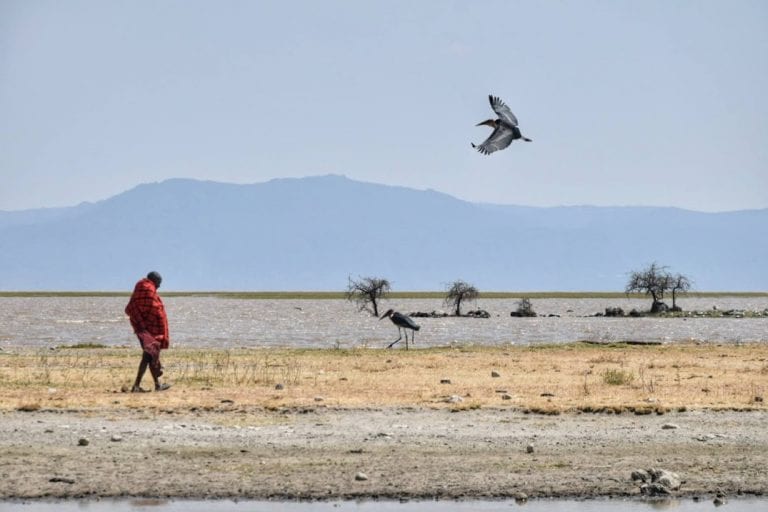
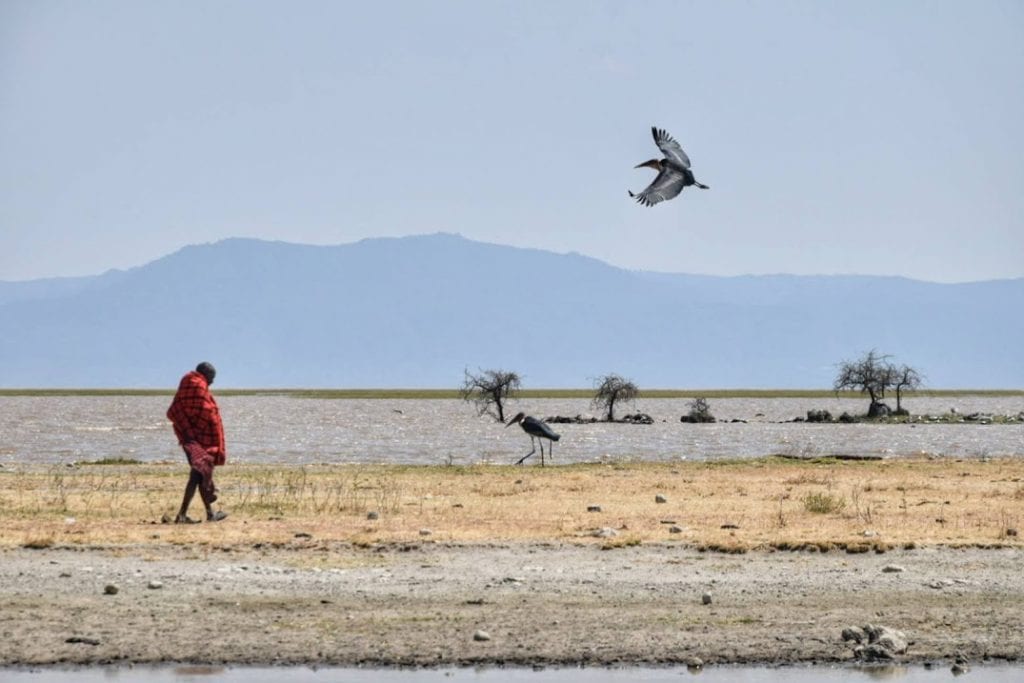
The Ultimate Guide to Exploring Lake Manyara National Park, Tanzania. Roads, Self Drive, Accommodation, Activities, Safaris, Tented Camps, Cycling.
Lake Manyara sits in northern Tanzania, nestled against the dramatic eastern wall of the Great Rift Valley.
This shallow, alkaline lake and its surrounding national park offer a striking mix of landscapes, from dense groundwater forests and acacia woodlands to open savanna and marshy shores.
Disclosure: Some of our articles contain affiliate links. This comes at no additional cost for you and helps us keep this website up and running. (as Amazon Associates we earn commission from qualifying purchases)
The park, established in 1960 and spanning about 330 square kilometers (with a significant portion over the lake itself), is famous for its biodiversity and unique wildlife behaviors.
Origins of the Name and Cultural Context
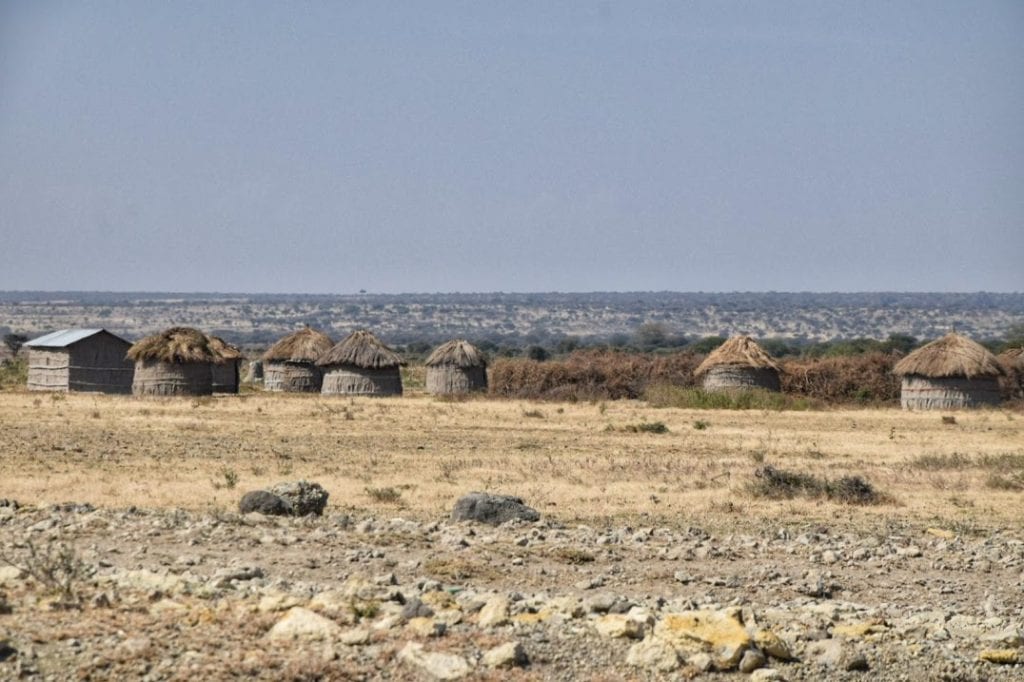
The name “Manyara” has a couple of intriguing explanations rooted in local cultures. One links it to the Maasai term emanyara, referring to the thorny, protective fence encircling a traditional homestead or boma.
The towering 600-meter rift escarpment that borders the lake evokes this sense of enclosure. Another theory points to the Mbugwe people, who inhabit the area around the lake in the Babati District and parts of the Arusha Region. In their language, manyero describes a watering trough or drinking place for animals.
The Mbugwe, with roots connected to the Rangi people and a population estimated at around 24,000 in the late 1990s, form one thread in the region’s rich ethnic tapestry, which also includes the Iraqw (the largest group), Maasai, Barabaig, Datooga, Gorowa, Kw’adza, and Assa
Geography and Ecosystems
Lake Manyara stretches roughly 50 km long and 16 km wide at its broadest, lying about 100 km west-southwest of Arusha. It features salt and rock phosphate deposits and sits at elevations between 850 and 2,000 meters.
The area receives bimodal rainfall: short rains from November to December, longer rains from February to May, and a dry season from late June to October, with annual precipitation averaging 650–760 mm.
The national park encompasses five distinct vegetation zones, creating remarkable habitat diversity. Key attractions include the Marang Forest, hot springs, a lush groundwater forest, and the expansive rift valley backdrop. Wildlife is abundant, with elephants, buffalo, hippos, lions, leopards, giraffes, and occasional cheetahs.
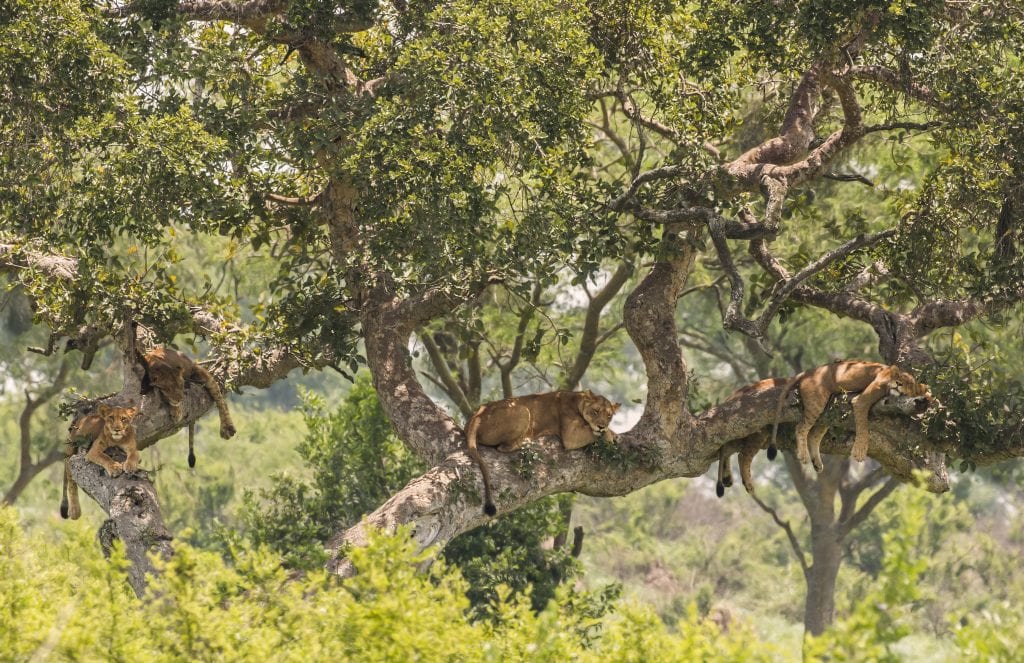
The park is particularly noted for its tree-climbing lions, which seek refuge in branches during the midday heat—a behavior more commonly observed here than elsewhere. Birdlife is exceptional, with over 390 species recorded, including residents and migrants. Highlights feature pink flamingos, pelicans, raucous hornbills, and around 50 species of birds of prey.
Getting There and Practical Info
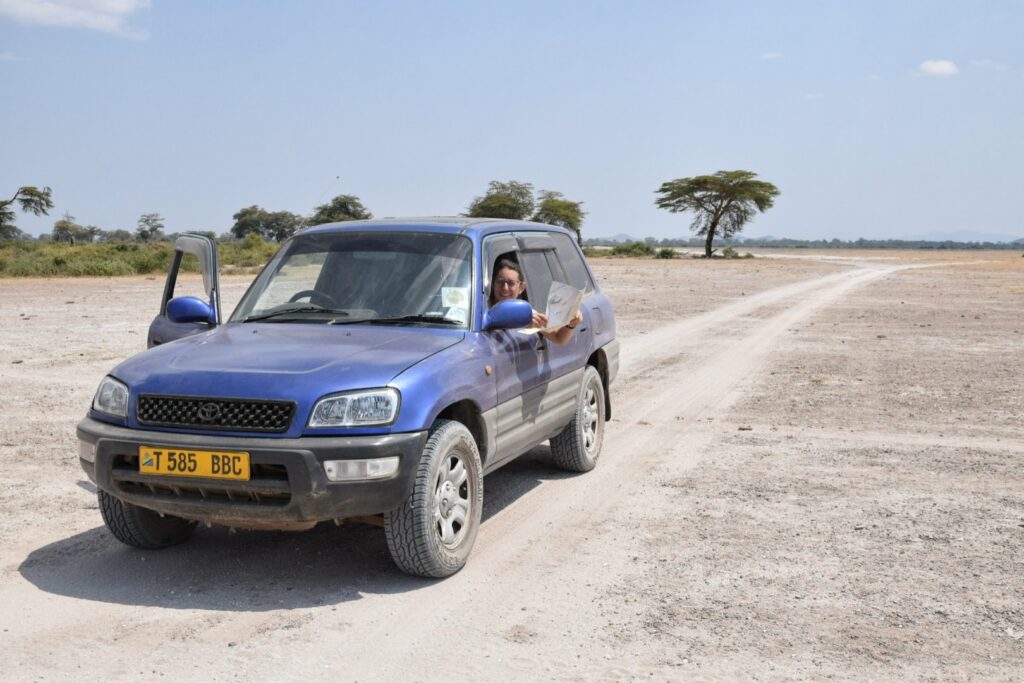
The main access point is via Lake Manyara National Park, with a single gate that serves as both entrance and exit, creating a natural loop route ideal for a half-day exploration by vehicle.
From Arusha, the park gate is approximately 115 km away along the Makuyuni-Ngorongoro road, passing through the bustling town of Mto wa Mbu. Scheduled flights also land at the nearby Manyara Airstrip.
Entry Fees (self-drive):
- Adults: $53 per day
- Children: $17 per day
- Vehicle: $10 per entry
Activities in and Around the Park
Popular options inside the park include game drives (best in the dry season from June to November for wildlife viewing), birdwatching (peak from November to April), bush walks, night drives, boating, and a standout canopy walkway—one of Africa’s longest.
The walkway winds through the treetops with viewing decks, offering close encounters with monkeys, birds, and butterflies.
The park’s tree-climbing lions remain a signature draw. While well-documented, the exact reasons for this arboreal habit are still not fully understood.
Bike Touring and Exploring Outside the Park
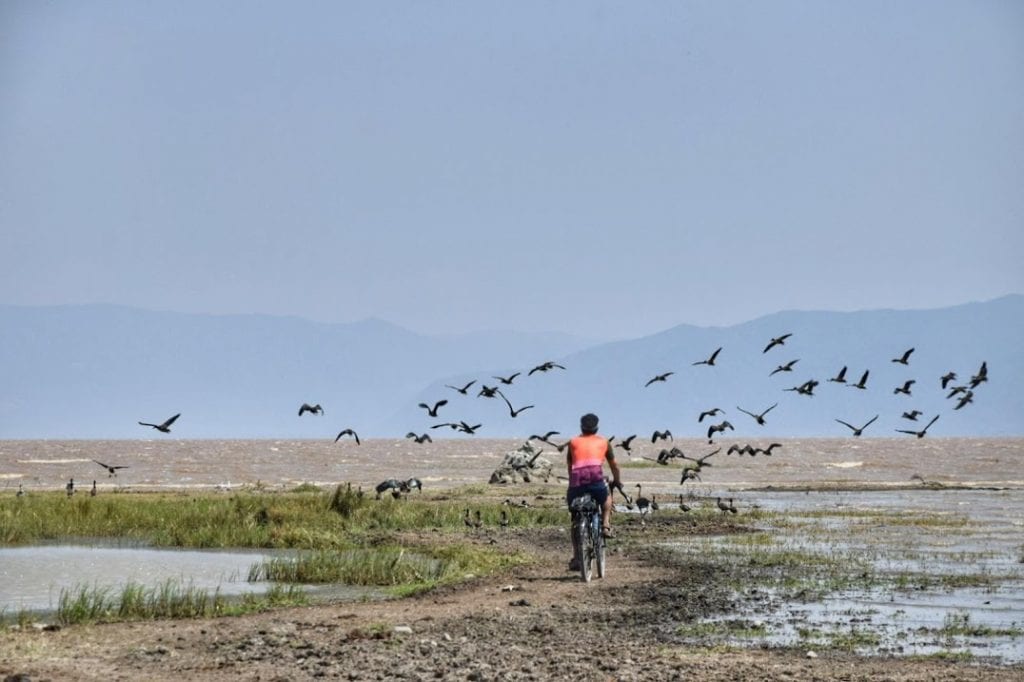
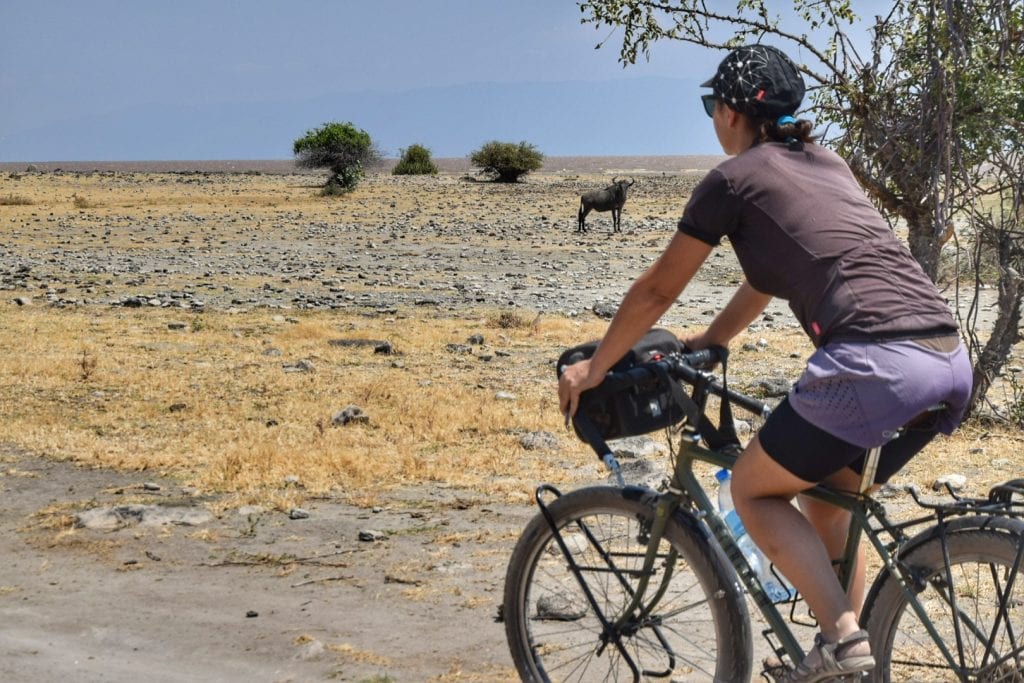
For cyclists, Lake Manyara shines brightest outside the national park boundaries. The eastern shores offer free, unforgettable riding through savanna landscapes shared by wildlife and Maasai communities. From Mto wa Mbu, head south on the main road and look for the “Rift Valley” sign leading to a gravel track toward the lake. Follow footpaths and cow tracks along the shore—navigation is straightforward, and the terrain mixes open plains with scenic views.
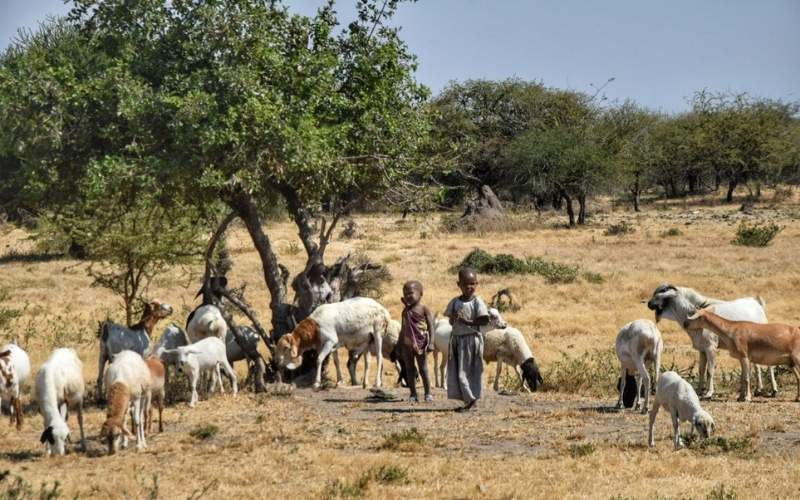
Expect encounters with pelicans, storks, zebras, wildebeest, impalas, and herds of Maasai cattle and goats. This area was a highlight for our own bike travels in Tanzania, blending wildlife, cultural immersion, and stunning Rift Valley scenery. Bicycle rentals are readily available in Mto wa Mbu along the main road, making it easy even if you arrive without your own wheels.
Mto wa Mbu itself serves as an excellent base. This multicultural town hosts over 120 ethnic groups and offers community-run cultural tours through the Mto wa Mbu Cultural Tourism Programme.
Activities include village walks, local family meals, banana beer tastings with the Chagga, coffee farm visits, Datoga blacksmith demonstrations, Hadzabe hunter-gatherer experiences, and overnight stays in Maasai villages. Bike tours through plantations and to the lake are also popular.
For more on cycling Tanzania’s northern circuit, check our full Cycling Tanzania guide.
If you are interested in Cycling Safaris, where you can see the big 5, read Cycling Safari: the best destinations to see the big 5 from your bike
Accommodation Options
Inside the park, you’ll find one upscale lodge (Lake Manyara Tree Lodge with its treehouse suites), basic bandas, hostels, and campsites. Most visitors stay outside, where options range from budget campsites and guesthouses in Mto wa Mbu to luxury spots with Rift Valley views, such as Gibbs Farm (en route to Ngorongoro), Lake Manyara Kilimamoja Lodge, or Acacia Farm Lodge.
Campsites inside the park can be basic and sometimes buggy (tsetse flies noted in some seasons), so many cyclists prefer village-based options.
There are campsites inside the park and outside. Those inside don’t have a good reputation, and during our visit, tsetse flies were a lot, so it might not be pleasant. In the village of Mto wa Mbo, there are several possibilities.
Lake Manyara combines dramatic scenery, prolific wildlife, and authentic cultural encounters in a cyclist-friendly package. Whether you enter the park for a game drive or pedal freely along its shores, it remains one of Tanzania’s most rewarding stops on the Northern Circuit. Safe travels!
You might be interested in: