
Last Updated on 29 January 2026 by Cycloscope
How to organize a bike and camping trip in Estonia: the most beautiful itineraries and the lesser-known attractions, where to sleep, the costs, and the climate. In short, everything you need to organize and leave!
Estonia is a country that, in recent years, has been attracting more and more tourists, both for its nature and for its beautiful medieval cities, as well as for what remains of the Soviet occupation.
Disclosure: Some of our articles contain affiliate links. This comes at no additional cost for you and helps us keep this website up and running. (as Amazon Associates we earn commission from qualifying purchases)
In this travel blog, we’ll outline itineraries and offer budget travel advice for Estonia, aiming to provide our readers with a useful travel guide for both bike and non-bike travelers.
We arrived by ferry from Helsinki, Finland, to Tallinn, the capital of Estonia, and cycled along the Baltic coast, north and then south, into neighboring Latvia.
Estonia is a small flat country, an ideal first destination for bike touring beginners, for a family cycling holiday, or just to spend a few days/weeks relaxing without the need for any particular physical training.
In this article, we will talk about our itinerary in Estonia, which you can travel by bike, hitchhiking, public transport, or whatever you want, things to see in Estonia, in Tallinn and beyond, and what the costs and tips are to travel in Estonia on a budget.
You are interested in what to see in Tallinn. Here is our list of things not to be missed
Check Also
- Eurovelo 10 – The Ultimate Guide to Latvia and Beyond
- Cycling in Poland – all the best routes and things to know
- Bike Touring Slovakia – the wonder of the Carpathians
- Finland by bike – everything you need to know
- Ferry from Helsinki to Tallinn – a cheap and cool experience
Climate in Estonia
Estonia is the coldest of the Baltic Republics (Estonia, Latvia, and Lithuania); the climate is continental Baltic, characterized by rather cold winters, with temperatures for the greater part of the year below zero, and mild, rainy summers. The coastal part of the country enjoys slightly milder temperatures than the interior, but it is rainier.
Temperatures become acceptable from mid-May, reaching summer levels, with average daytime temperatures around 20 degrees and nighttime temperatures around 10 degrees. Autumn is the wettest season, and days get shorter quickly.
The sea is very cold, and in winter it is frozen in many places; in fact, you can drive from the mainland to the island of Sareema, which is otherwise reachable by ship equipped with icebreakers. In summer, the water is still cold, with a maximum of 17 degrees, but if you want to try a bath, bring a wetsuit or a lot of courage.
To make it even more difficult to swim, and to ride more of a gamble, is the infamous Baltic wind. The wind in Estonia is practically constant, often pretty strong, and blows daily. We have been traveling around Estonia for about two weeks and have never had a day without wind. You’ll learn to watch the wind forecast here.
Best time for a bike ride in Estonia
The best time to visit Estonia, by bike or not, is definitely summer, a rule that applies to all countries of the north. Not only for the temperatures decidedly more human but also for the hours of light available, ranging from only 6 hours of light in December to 19 hours in June.
You will have ample time to visit the country without worrying about looming obscurity, and this is especially true for those of us who travel by bicycle.
We were in Estonia at the beginning of September, and the temperatures had already started to be low, around zero, during the night, but still pleasant during the day, especially because of sunny days. But it was always very windy, which made it difficult to ride, despite the flat roads, and pitch the tent.
Cycling the Roads in Estonia
Most of the main roads in Estonia are perfectly paved, and traffic is never too heavy, except on the routes connecting the main cities, but there are always alternative routes.
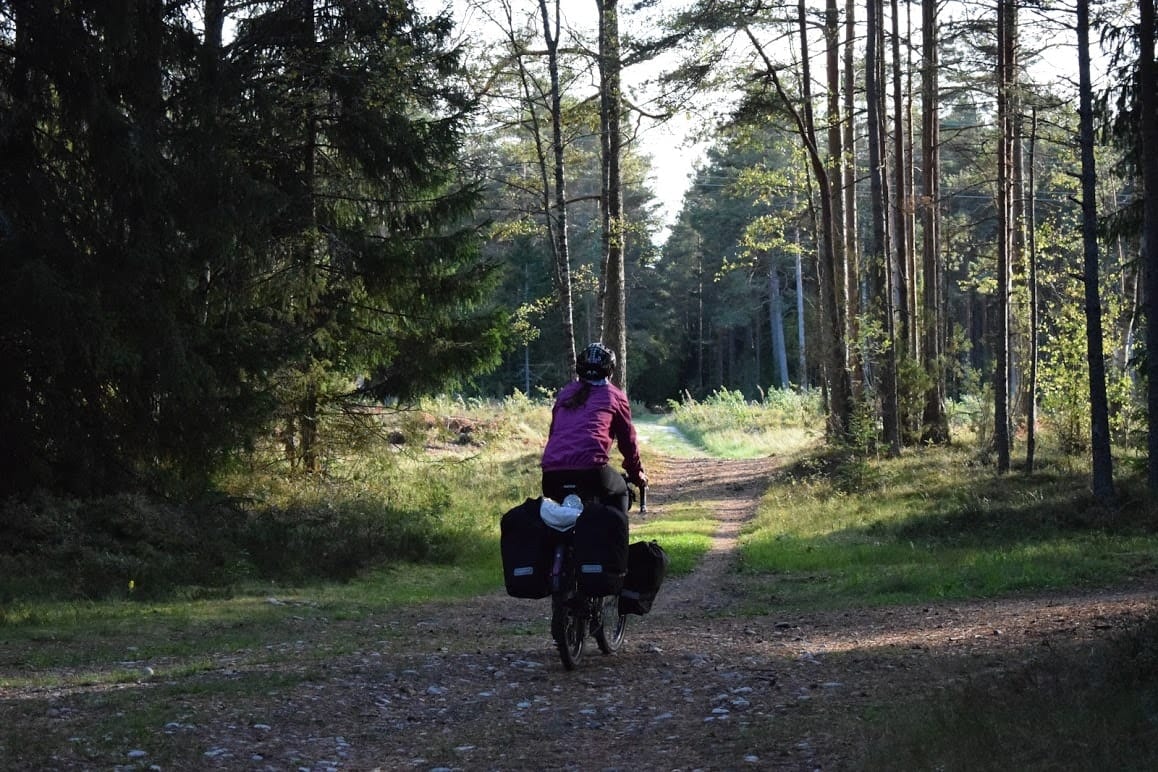
Just as in Finland, there are many unpaved roads in the forest, mostly well kept and perfectly rideable by bike. Those are useful for finding a good place to pitch the tent and spend the night, but beware that some trails can get muddy after heavy rain.
Where to sleep in Estonia
Wild camping in Estonia
In Estonia, free camping is not forbidden but is even encouraged; it is allowed on government land (called Riigimets), even if some national parks may have restrictions; in such cases, you will find signage at the entrance. There is a great culture of free camping, and you shouldn’t have any problems with the locals.
Once you get the results, you can see the GPS coordinates, any rules for the place, whether there is a bathroom, whether it is accessible to people with disabilities, and other information, as well as a phone number to contact in case of need or to collect the keys for closed shelters. By clicking on “booking,” you can book the shelters for a fee.
There is a fairly extensive, constantly developing network of huts or shelters with fireplaces and firewood, usually equipped with compost toilets. To find the location, go to the RMK site, click “for hikers,” then “where to go.” On this page, you can select the area you are interested in and the type of shelter you are looking for (campsite, campfire, hut, etc.).
Campsites in Estonia
Equipped campsites in Estonia are quite common and very cheap, from about 4€ upwards for a tent and two people. They’re usually basic facilities but usually feature everything you’ll need.
Some also have wooden bungalows, as happens in Scandinavia. From our experience, almost all campgrounds close at the end of September, some even earlier.
Hotels and Hostels in Estonia
Hotels and hostels in Estonia are a little more expensive than in the other Baltic republics. The cheapest option is a bed in a hostel dormitory.
If you do not want to share the room, however, we have found the apartments very convenient. At least for those traveling by bike, they are perfect: they cost about the same as a hotel room (and in many cases even less, since they are managed by individuals), include a kitchen and washing machine, and you can keep your bike at home.
Couchsurfing and Warmshowers in Estonia
The Warmshowers community in Estonia is not very large; we did not have much luck, but it never hurts to try. Couchsurfing has a large community, but it is mostly in cities.
For those who do not know what Warmshowers and Couchsurfing are, take a look here.
Costs of a cycling trip in Estonia
Estonia is a fairly cheap country by European standards; for us coming from Scandinavia, it seemed very cheap. A night at the campsite costs about 5 euros, and one night in a hotel starts at 20 euros (for a double room).
The food in supermarkets is very varied, and prices are low; eating at a restaurant costs about 5 euros each (at a popular restaurant). Vegetables and cheeses are cheap, especially if bought at the market.
8 most beautiful cycling routes in Estonia
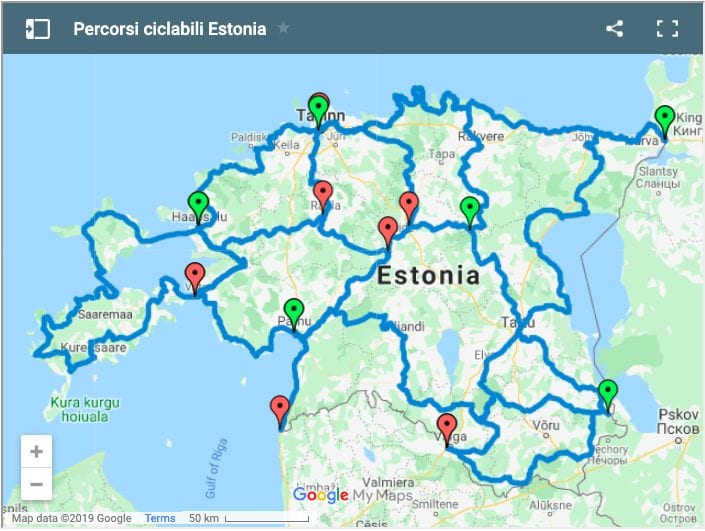
Estonia is a country that focuses a lot on cycling. Although it is not a stunning country in terms of landscape, it still has many interesting things to see, and a capillary network of cycling trails that will lead you wherever you want, through dedicated cycle paths, dirt tracks crossing forests, or roads shared with cars but without traffic.
- EuroVelo 10: the Baltic Sea cycle path
- Cycle Route 4: from Tallinn to Valga
- Cycle Route 3: the road of forests and lakes: Haapsalu – Rapla
- Värska – Pärnu
- Cycle Path EE16
- Vägeva – Mäo
- Cycle Path EE15: Viljandi – Elva
- Route EE13: Tallinn – Türi
1. EuroVelo 10: the Baltic Sea Cycle Path
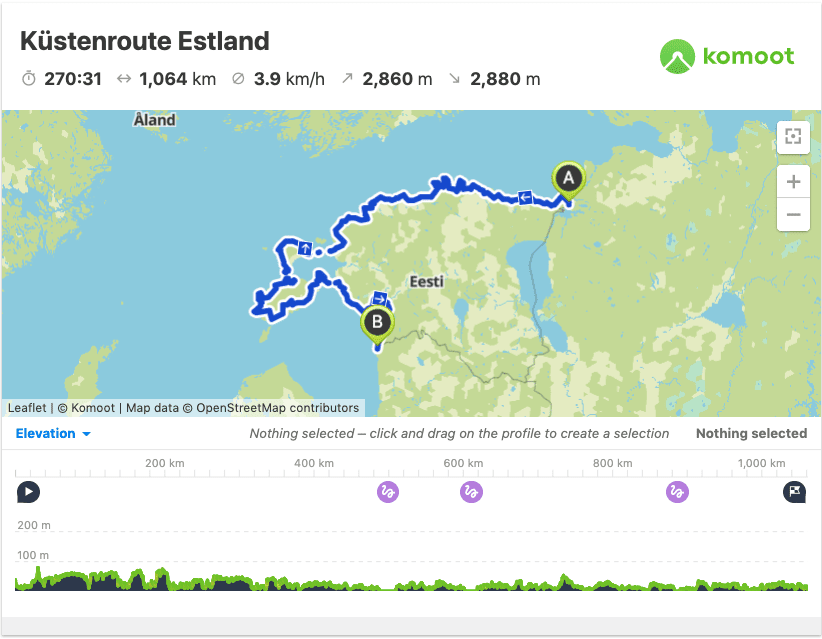
You can download the GPX track here -> Cycle Route: The coast and islands
The most famous cycle route in Estonia is the EuroVelo route 10. The EV 10 runs along the Baltic coast for almost 1000 kilometers, including the islands of Muhu, Saaremaa, and Hiiumaa, as well as the Lahemaa National Park, on the way to the Russian border and St. Petersburg.
The bike path was completed almost twenty years ago and is signposted along the way, as well as things to see that require short detours, it is almost always on a dedicated path except in some parts, as for example on islands, where traffic is practically nil. We have cycled much of this route, starting from Tallinn, where we arrived by ferry from Helsinki, Finland.
The path runs along the coast, though you do not always have a sea view, as in many sections the forest separates you from the beaches. This helps a bit more in sheltering from the constant winds.
This bike itinerary will take you around the Paldiski Peninsula, but we cut through the interior. Paldiski is a living memorial of Soviet domination, old buildings and military structures have a rather depressing effect here – perfect for those dark tourism lovers.
What to see along the EuroVelo 10, the Baltic Sea cycle path
The northern coastal part, from Tallinn to Haapsalu
After passing Tallinn (below we will talk about Tallinn in detail), and heading west along the coast (a little far from the sea though, in Amari) you could visit a Soviet cemetery for pilots (GPS coordinates 59°15’00.6″N – 24°14’09.3″ E ) and the submarine prison of Rummu, both very fascinating places, if you are interested in Soviet relics.
Some of the living quarters and facilities at Rummu are also good places to camp, even if the atmosphere is a bit disturbing.
You will also encounter many signs indicating the presence of ancient churches and many kolkhozes, the old Soviet collective farms, some abandoned in ruins and some still in use today.
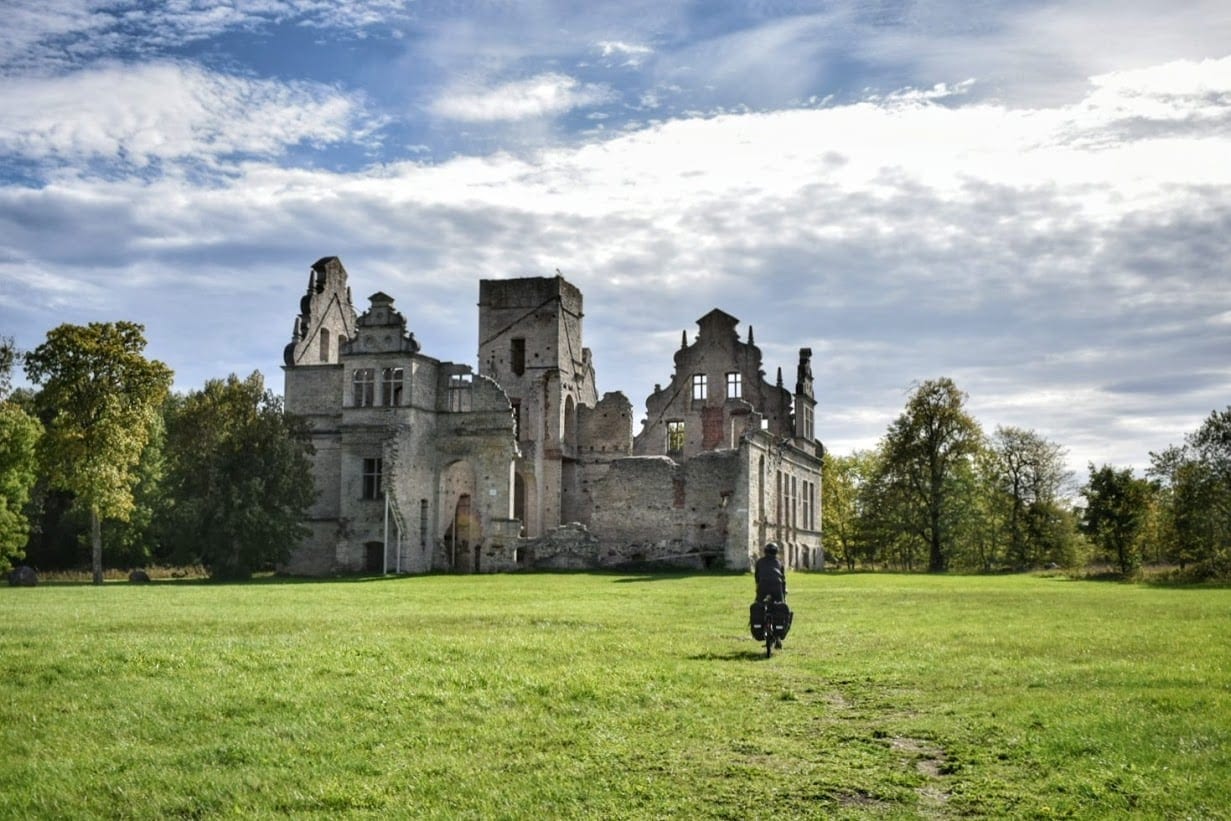
Near the town of Haapsalu, you will see the ruins of the Ungru Manor along the road, with its sad and romantic history.
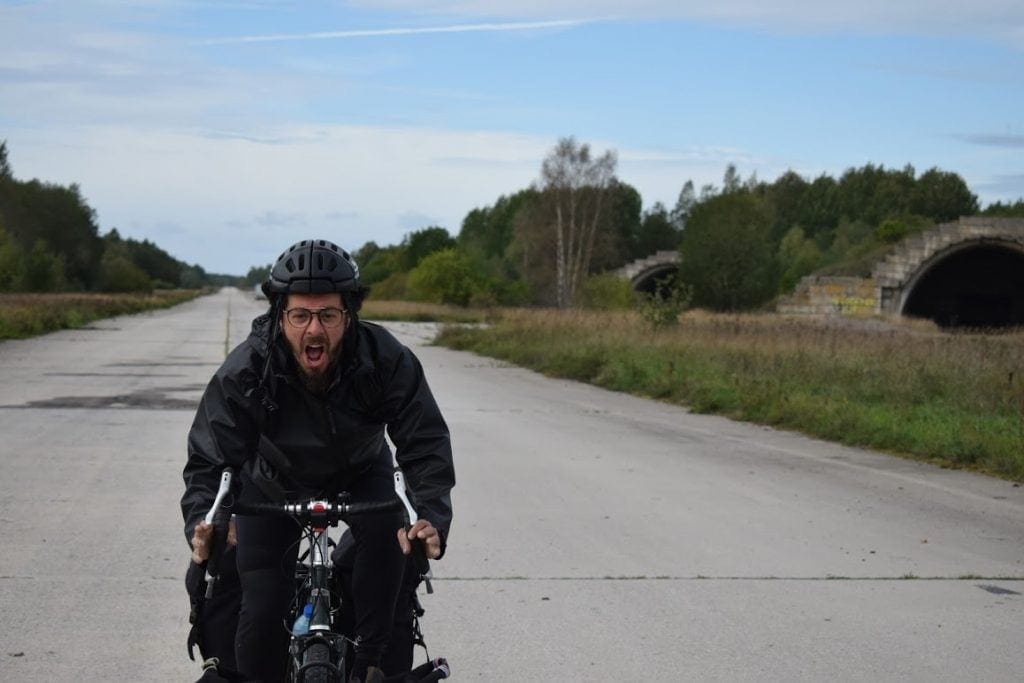
Precisely because this is Estonia, nearby is also the Haapsalu Airfield, kilometers and kilometers of airstrips and hangars for military aircraft that are now used by locals for clandestine car races.
Haapsalu
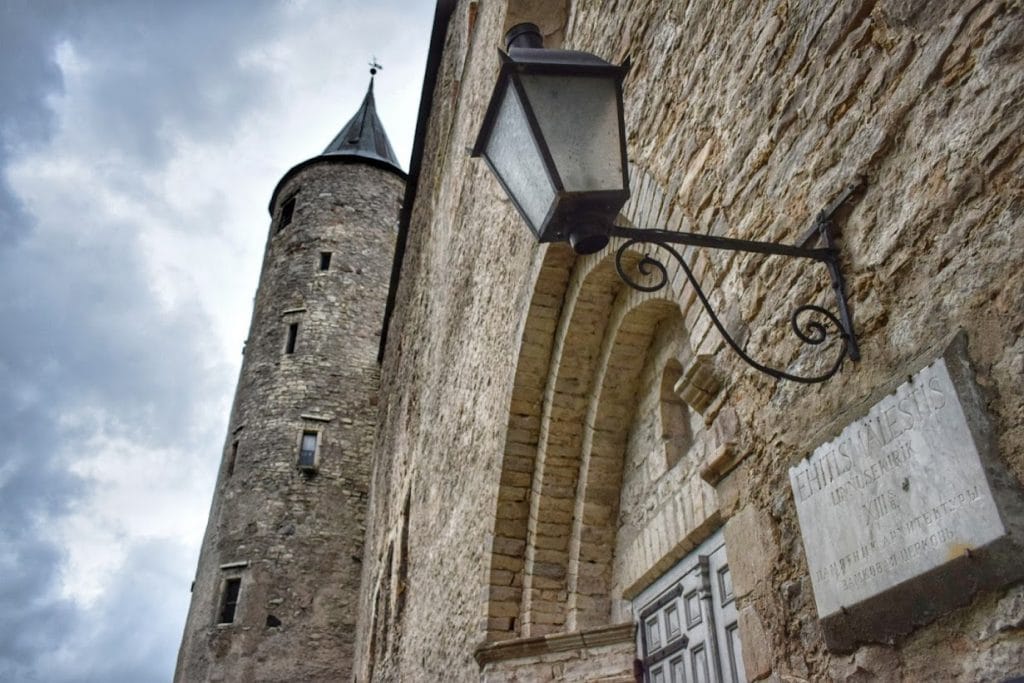
Haapsalu is a very beautiful town that deserves a visit; its characteristic wooden houses are perfectly preserved, as is its castle (Haapsalu Piiskopilinnus), which dates back to the eleventh century.
Walking along the sea, you can admire the reproductions of floating wooden sculptures. Some great pieces of Art Nouveau architecture can be found here.
Continuing along the path to Rohuküla, the port from which you can reach the islands, you will meet the early 19th-century Art Nouveau railway station and an exhibit of old trains and locomotives.
Cycling the islands in Estonia: Hiiuma and Sareema
Hiiuma Island
From Rohuküla, you can board the nearby island of Vormsi or Hiiuma; we have chosen the latter. The ferry will leave you at Heltermaa’s port, on your arrival you will find a map with the cycle routes (routes No. 301 and 302) and the most interesting things to see. There are about 5 ferries per day sailing this route.
We cycled to Parna, the port south of the island, right at the port there is a museum with adjoining lawn where you can camp freely (the same happens near the port of Heltermaa) and there is also a compost toilet.
Hiiumaa’s most interesting sight is plenty of lighthouses, the most famous being the Kõpu lighthouse, one of the oldest in the world. Besides that, we found Hiiumaa pretty monotonous.
As far as we can tell, there is only one daily ferry connection, Hiiumaa (Parna) to Sareema (Soela), departing around 8 am from Hiiumaa and in the evening from Sareema, and bikes go free. This ferry connection is not operative in winter or when weather conditions are too harsh.
Sareema Island
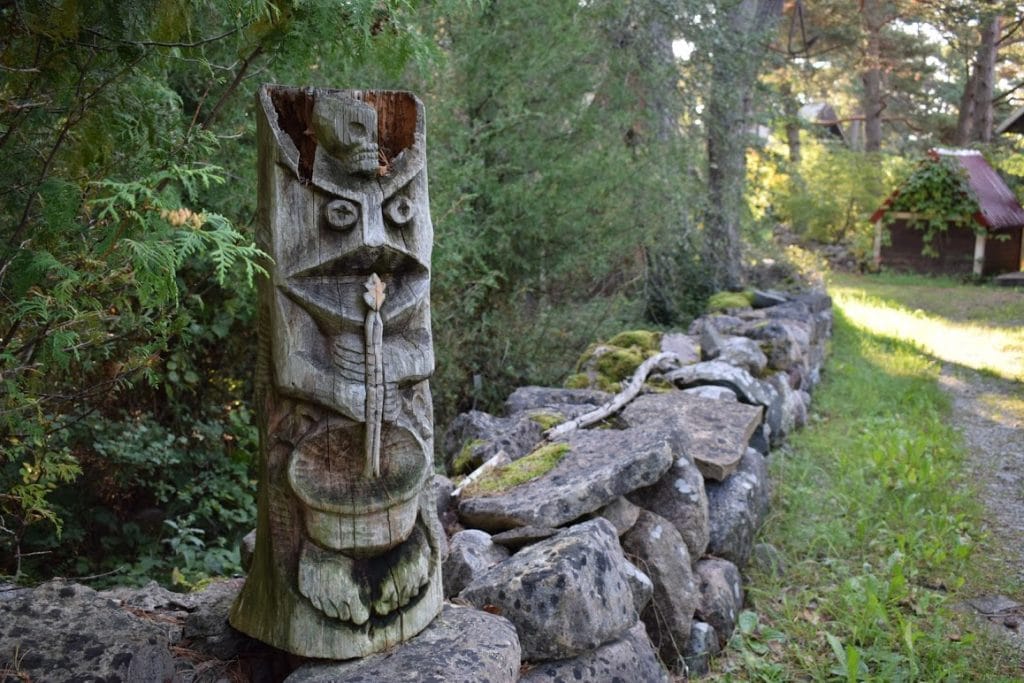
From Parnu, the ferry will take you to the island of Sareema in about an hour. Arrived at the port, there is a small wooden building on the right with showers and a sauna, free to use!
Sareema, too, is not the most exciting ride, but it has a relaxed atmosphere and a few interesting sights that made us like it more than Hiiumaa. Worth seeing is the meteorite crater, called Kaali Crater, where a lake formed, located in the homonymous village.
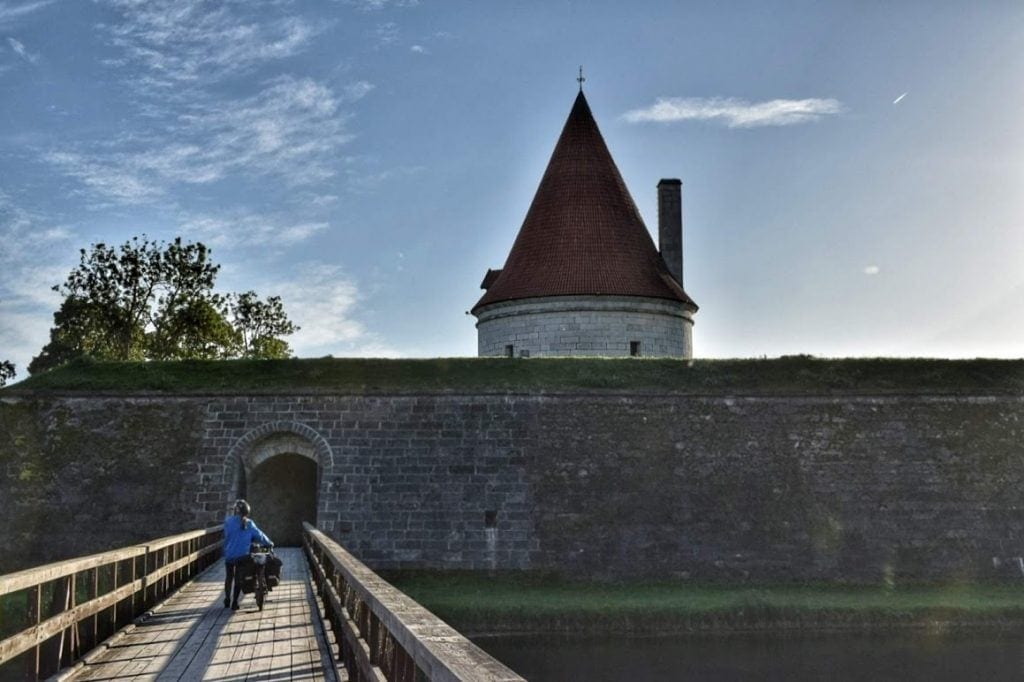
Also worth visiting are the open-air museum of the traditionalwindmills of the Vilsandi National Park, the church of Valjala, and the castle of Kuressaare. Kureesaare is a medium-sized town with a pleasant historical center and one of Estonia’s most beautiful castles.
There are however places to sleep at affordable prices, both campsites and guesthouses, we opted for free camping on a birdwatching tower that offered a beautiful view (GPS coordinates: 58 ° 14’05.5 “N 22 ° 27 ‘ 03.0 “E).
Valjala Church and St. Catherine’s Church
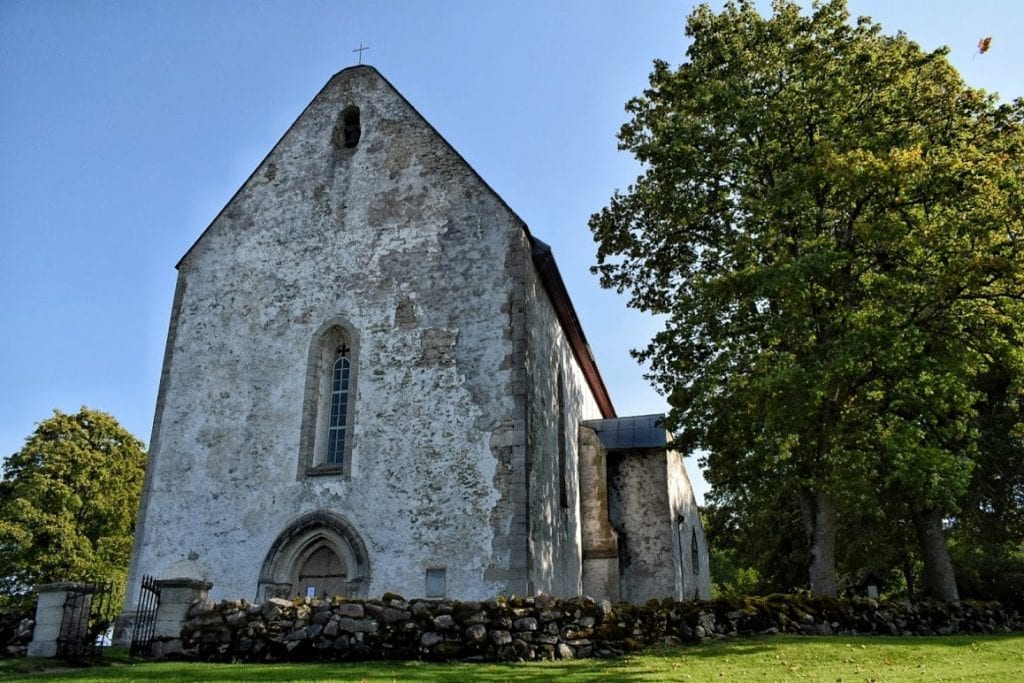
Two medieval churches with a long history and a living mystery, the construction of Valjala church started immediately following the Livonian Crusade, in 1227, when Christianity was imposed on Estonia, the first church in these lands.
St. Catherine’s Church at Karja was built shortly after and presents some unusual magic signs painted on the ceiling. Both churches have an intense aura of austere solemnity.
From Sareema back to Estonia mainland
From Kuressaare, we took a bus back to the mainland since we did not want to do the entire island tour. From Kuressaare, there were no ferries back to the mainland at the time of our visit.
Back on the mainland, in Virstu, the bike path takes you on a dirt road for about 20 kilometers, then you reach the city of Pärnu, from which you have to go along a somewhat busy road. Pärnu is developing as a summer resort town, and there are often festivals and cultural events.
What to see in Tallinn
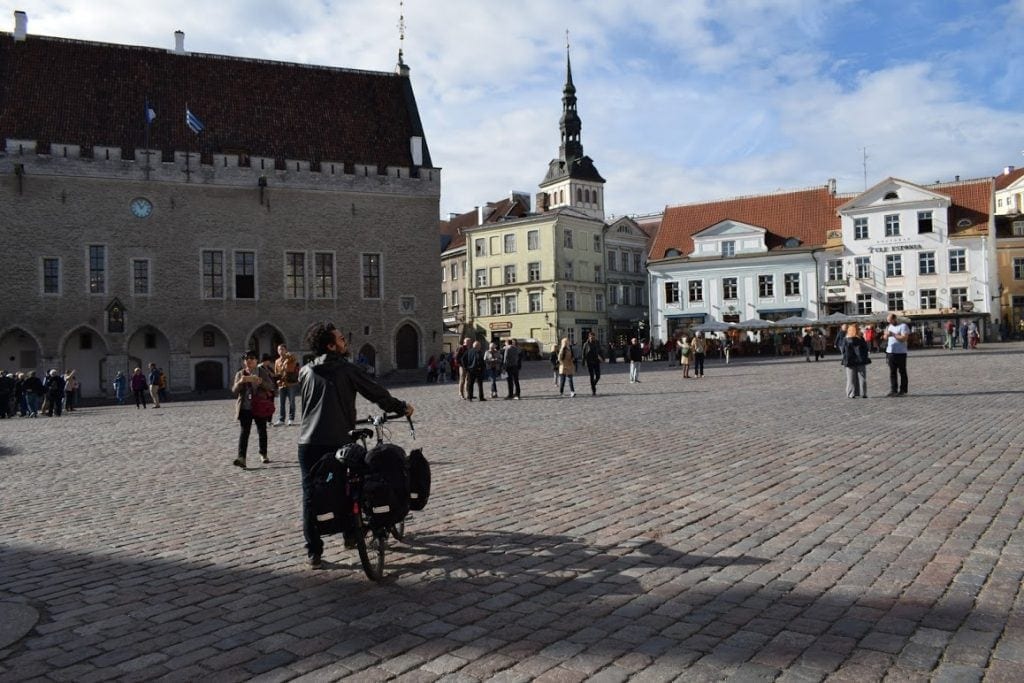
For those starting their trip in Estonia or coming from Finland, Tallinn will likely be the first stop.
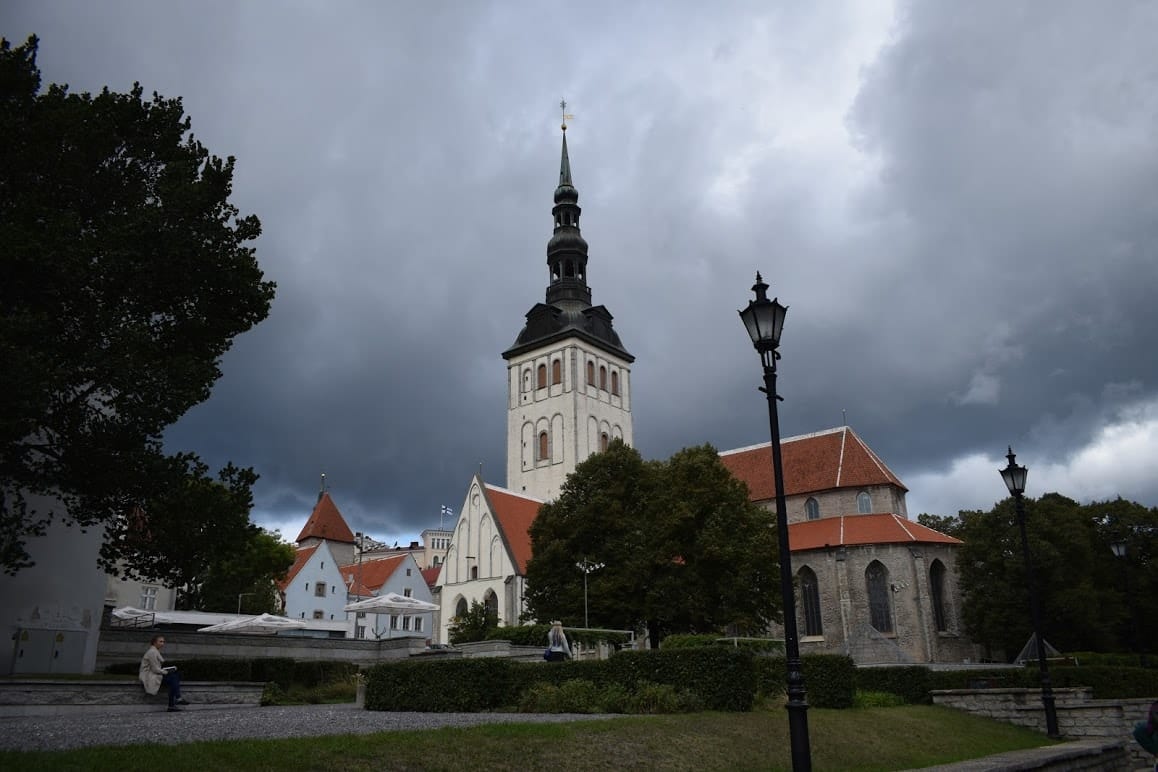
The historic center of the Estonian capital is a UNESCO World Heritage Site, of impressive beauty and so well preserved that you really feel like you are going back to the time of the Hanseatic League.
During the summer, local students organize free city tours (it is good to leave a tip), and you can get info from the tourist office. In Tallinn, you can rent a bicycle to explore the city and its surroundings.
Tallinn is not only a historical city, it is a mix of ancient, modern and what remains of the Soviet occupation, among the things not to be missed are the Seaplane Harbor, Telliskivi Creative City, and Linnahall.
The Seaplane Harbour Museum – Meremuuseum
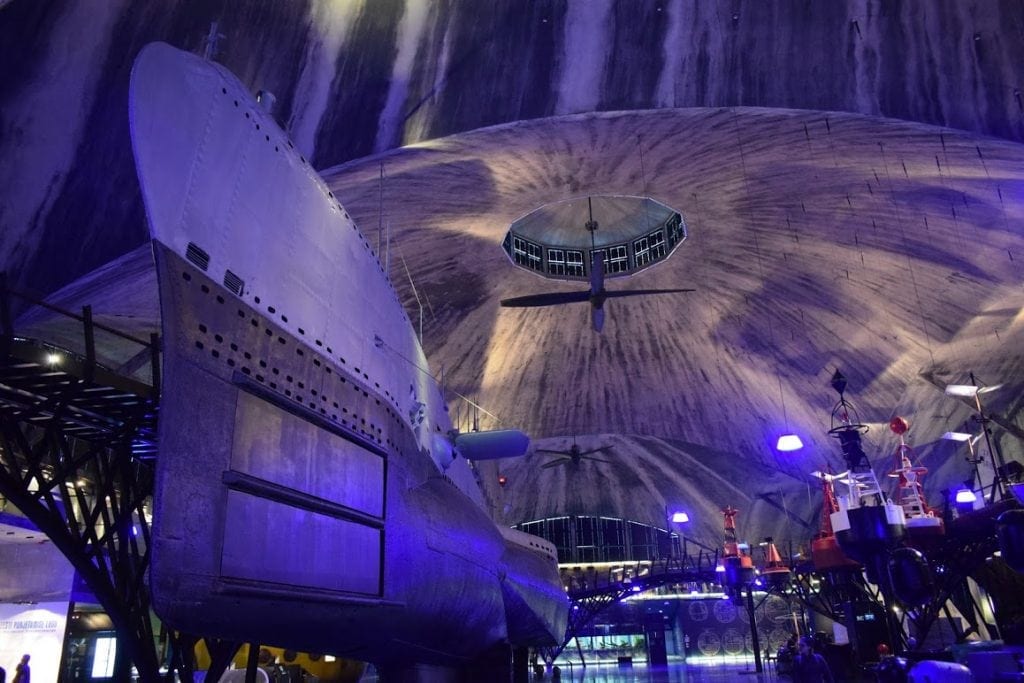
The nicest museum we saw on our bike trip in Europe, we highly recommend going to this impressive place. Set in an 8000 m² hall area, originally built to host seaplanes, the building itself makes the visit worthwhile.
The main attraction, though, is the pre-WWII submarine Lembit, which is fully visitable. It was our first time getting inside a submarine, and we found it quite cool to imagine life on board this steampunk-looking machine.
The museum also contains a full-size replica of a British seaplane, as well as an exhibit of sailing-related historical stuff, unique to the region.
Outside the museum, a series of ships are anchored, most of which are climbable. Among these is the Suur Töll, the largest steam-powered icebreaker in the world. You can also visit the engine room to understand how it worked.
Keep in mind that you will need 2-3 hours for the visit. The entry fee is quite steep at 15€ per adult.
Telliskivi Creative City
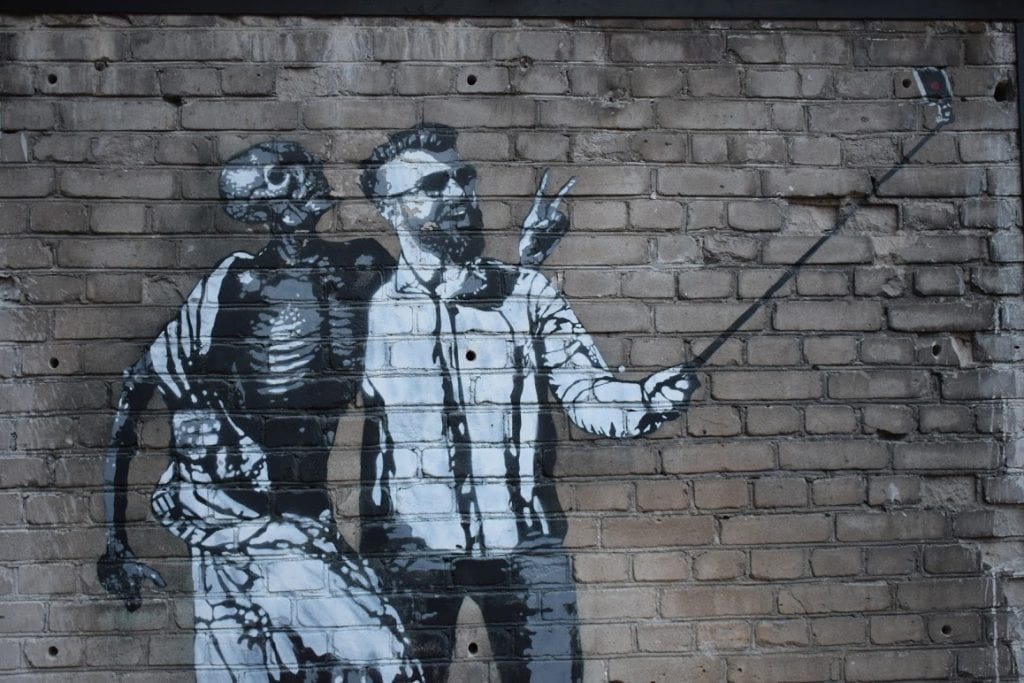
It is the largest creative center in Estonia and is about a 15-minute walk from the historic center. It consists of 10 buildings housing more than 200 companies and organizations, and it has a relaxed, bohemian atmosphere.
Each individual company is free to design its own space as it sees fit. It is an excellent opportunity to get a taste of local cultural life, while avoiding the masses of tourist buses that roam the narrow streets of the center.
Telliskivi is located near the railway station and has given a new face to the ugly abandoned Soviet factories that surround the area. If you do not want to walk or cycle, you can reach this district by taking trams 1 and 2 from the center; the bus stop is called Telliskivi.
We found it a bit too “hipster” and gentrified for our tastes; it was probably much more genuine some years ago, as evidenced by the change in mural art styles.
Linnahall
Linnahall is an imposing Soviet relic, built to host the 1980 Moscow Summer Olympics; the Linnahall of Estonia now stands as an imposing concrete ghost town. Inside, an impressive 5,000-seat amphitheater was commissioned by the Soviet Union to showcase its grandeur to the world.
The building was built in a very short time, and, no longer serving any purpose after the Olympics, it was left to deteriorate. Going up the outside steps, you will have a nice view of the sea and the old city.
2. Cycle Route 4: from Tallinn to Valga
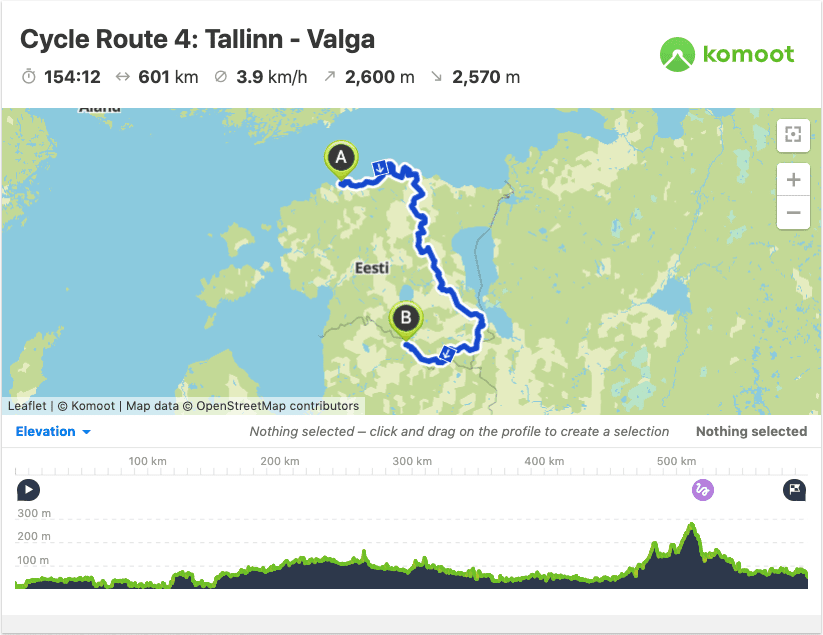
You can download the GPS track here -> Route Tallinn – Valga
Another interesting cycle route is the Estonian National Route No. 4, spanning 600 kilometers and connecting the Baltic Sea coast to Valga, passing through the beautiful town of Tartu. The first 45 km run in the woods, on a paved forest road with very little traffic.
The section that goes from Vastse to Roosa is a dirt road for more than half its length, about 47 km. It is then asphalted along the stretch leading to Tartu. From Vahtseliina to Piusa, you can take the alternative route 281; this road runs through the forest along the banks of the Piusa River. From Tartu, you will reach Lake Saadjärv, where the last 8 kilometers are a dirt road, and then the road is paved up to the north coast.
An alternative, more in contact with nature, is the cycle paths n. 201 and 205, well marked, which follow the hilly road and the surrounding lakes. From here, traffic becomes a little more intense, and the road takes you near Endla Bog and Emumäe Hill, the pearls of this section of the journey.
From Lahemaa National Park, the cycle path is superimposed on the EuroVelo route 10. In Loksa, we encounter stretches of dirt road for about 20 km. Naturally, as you approach Tallinn, traffic becomes more important, but only for a few kilometers.
What to see along the 4-cycle route in Estonia
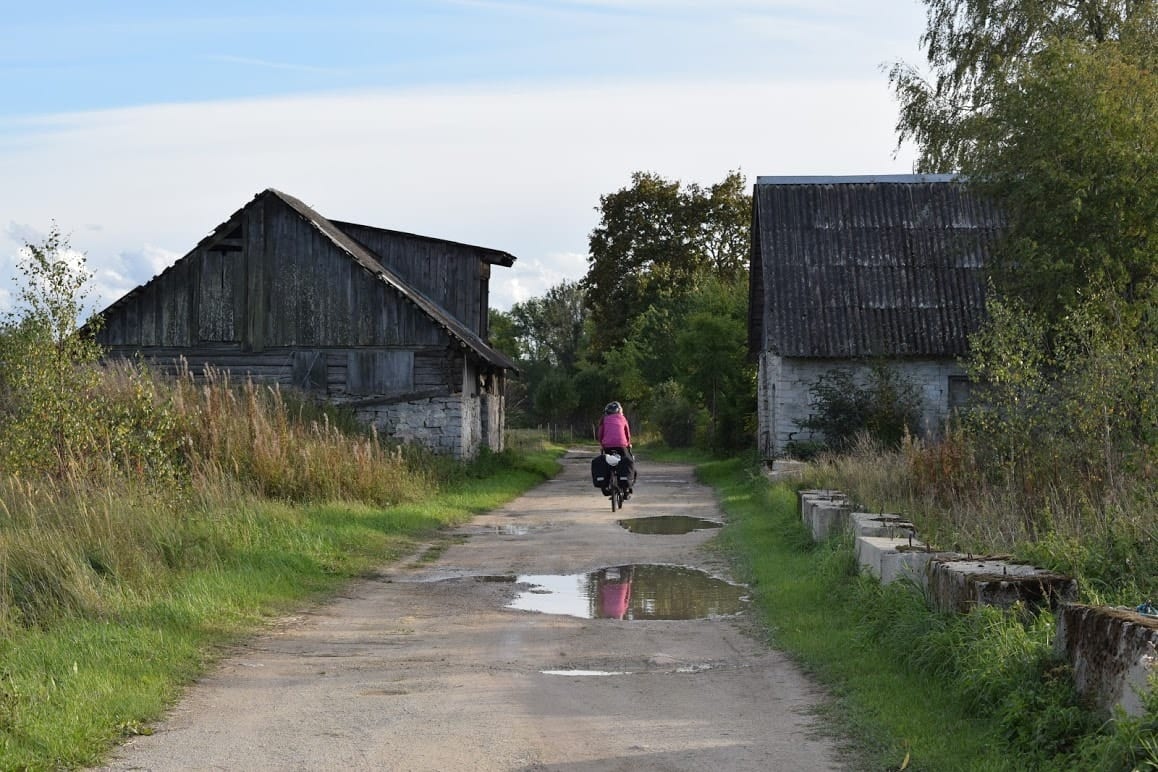
Besides the capital city of Tallinn, which we have already mentioned above, this route passes several points of interest worth exploring.
Tartu
Tartu is the second-largest city in Estonia. Its university dates back to the seventeenth century, and since then it has been full of students and very lively. Among the things to see are the ruins of the cathedral, Artu toomkirik in Estonian, an impressive red brick structure. There are also a few interesting museums, including the Tartu Toys Museum and the AHHAA Interactive Science Centre.
Lahemaa National Park
The Lahemaa National Park is located about 70 kilometers east of the capital Tallinn, and is a marshy area that also contains the large forest of Kõrvemaa, home to many large animals such as wolves, bears, lynxes, wild boars, and elk.
Lake Saadjärv
Lake Saadjärv is one of the ten largest and deepest lakes in Estonia. It is a popular destination year-round, offering a variety of water activities. During the winter, it is one of the places from which you can see the northern lights.
3. Cycleway 3: the road of forests and lakes
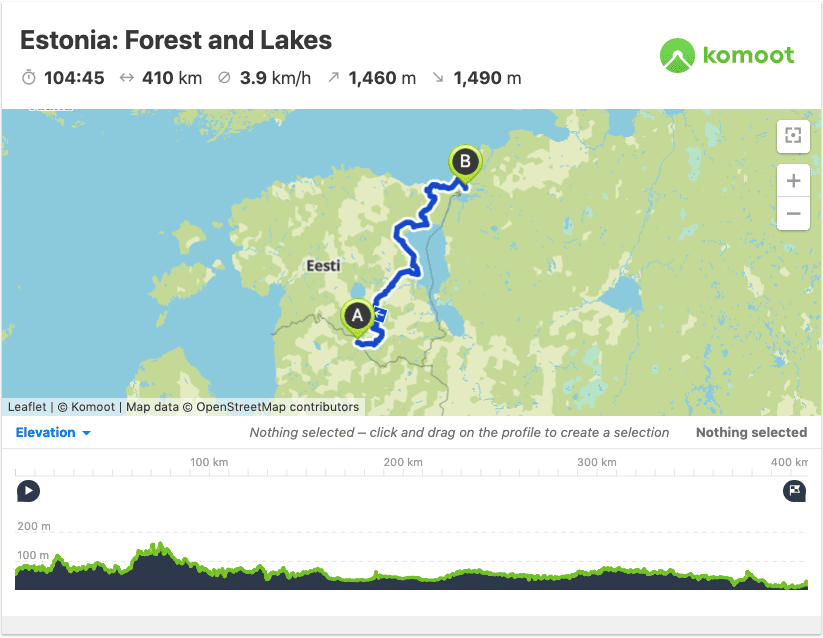
You can download the GPS track here -> Cycle Route of the Forests and Lakes
From Narva, on the border with Russia, the Estonian National Route No. 3 runs along the shores of Lake Peipus and reaches the border with Latvia. The total route is 398 kilometers long. A stretch of this cycle path, between Valga and Tartu, is part of the EuroVelo route n. 11, which extends from Athens to the North Cape.
The most captivating areas are the Karula National Park near Lüllemäe, the Otepää Highlands, the main tourist attraction in southern Estonia, and the summer resort town of Elva.
There are two stretches of gravel-dirt road between Lüllemäe and Otepää, totaling 17 km. It is worthwhile to make a longer stop in the Otepää region to ride the many routes (Nos. 261-265, currently without signs).
If you prefer gravel and forest paths to paved roads, you can go from Otepää to Elva along the 266 cycle path, which is 62 km long. The university town of Tartu also deserves a longer stay to visit the city.
From Tartu to Lake Peipsi, whose banks are inhabited by the old believers. After Mustvee, the path goes away from the lake. The remaining distance from Rannapungerja offers pleasant roads with little traffic, though a few kilometers are on dirt.
Turning back towards Peipsi, you cycle along the most interesting part of the lake, along whose banks you can spend pleasant nights camping. Then, through Iisaku, it is absolutely advisable to take a detour to the Kuremäe monastery before reaching the Kurtna landscape conservation area.
After reaching the northern coast, the route coincides with Route 1 to Narva. The attractions of this section are the Toila-Oru Park, the high limestone cliff, the Stalinist-style industrial city of Sillamäe, the former tourist resort Narva-Jõesu, and the border town of Narva. A bit inconvenient for the cyclist is a gravel and dirt track of about 5 km from Voka to the Tallinn-Narva highway; in addition, the motorway must be used for three shorter sections.
Narva
Narva is the third-largest city in Estonia, located on the border with Russia to the east of the country. It is inhabited mainly by Russians and is a place left aside by the central government after the collapse of the Soviet Union.
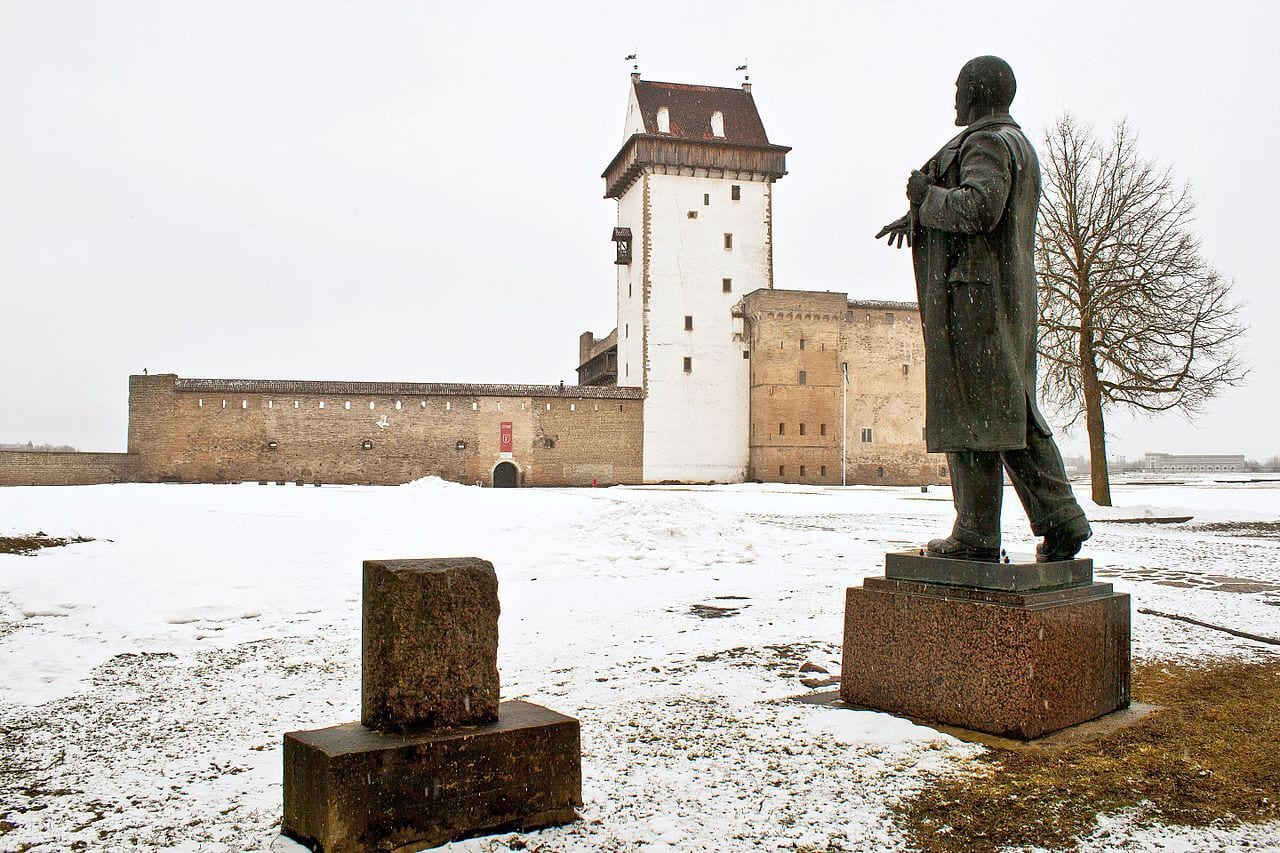
The city houses the beautiful Cathedral of the Resurrection, and the majestic castle fortress, Hermanni Linnus in Estonian, which overlooks the river that determines the border.
In the courtyard, there is the statue of Lenin, the only one left intact in the Baltic Republics, which was symbolically oriented towards the Ivangorod Fortress in Russia, which constituted a single architectural ensemble.
Peipus lake
Peipus Lake is the largest cross-border lake in Europe, being cut in half by a line separating Estonia and Russia.On its banks live the Old Believers, who opposed the teachings of the Russian Orthodox Church and have lived in Estonia since the seventeenth century.
Their houses are built in a traditional style, and people still practice the old Orthodox religion, as it was before the mid-seventeenth-century reform. In Kolkja, you can visit the Museum of Old Believers.
4. Cycle Route Värska – Pärnu
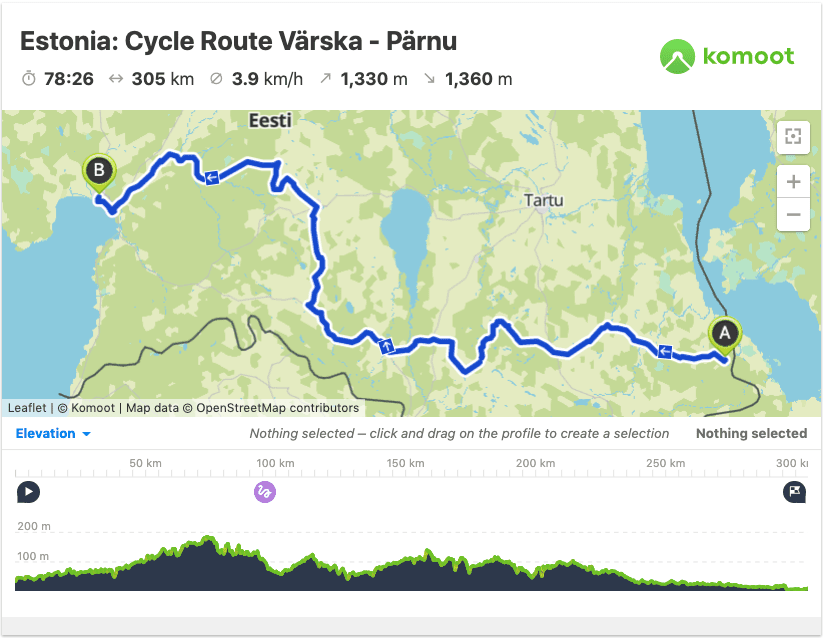
You can download the GPS track here -> Route Värska – Pärnu
This route crosses Estonia from east to west. Starting the tour from the historically interesting Setu County, you’ll soon enter a scenic area. However, the most picturesque places, such as the Meenikunno Bog and the sandstone outcrops of the Võhandu and Ahuja rivers, are located off the course.
From Põlva you cycle to the Otepää plateaus, there are also alternative local cycle routes such as 261 and 265, we do not know if the signage is complete.
Here you can visit the Sangaste Mansion, go through Tõrva, and then towards Karksi-Nuia along the Valga-Pärnu road, where the traffic is quite heavy.
After a few hills on which you will meet Viljandi Castle, there is the Soomaa National Park. For the first time on this route, we arrive on a dirt road that exceeds 50 km in length.
At the same time, the surrounding nature has a completely different appearance: there is a high mosaic soil, and swamps are accessible via locally marked tracks.
Unfortunately, the roads are often flooded and full of horseflies in spring, making it difficult to ride a bike. However, most cyclists’ experiences on this route have been very positive. Between Jõesuu and Pärnu, the route overlaps with Route 2. The last 30 km to Pärnu are smooth and on a good road.
Other short cycling routes in Estonia
5. Bike Route EE16 Vägeva – Mäo 44 Km
This route connects Central Estonia with the eastern regions of the country and with Route 4. Going through the central Estonian settlements, you will see enchanting lakes. Endla Bog is not far. Only about 9 km of this trail are dirt roads.
The GPX track of this route is available here.
6. Bicycle Route EE15 Viljandi – Elva 67 Km
This track combines the routes n.3 and 5, overlapping one of the favorite tourist directions of northern Estonia. The main attraction of this route is Võrtsjärv, the second-largest lake in Estonia.
Currently, the road along the lake is limited in some places and subject to heavy traffic. Plans for the next few years include reconstructing this stretch of road, which should make it more enjoyable for cyclists. The route is completely on paved roads.
The GPX track of this route is available here.
7. Cycle Way EE13 Tallinn – Türi 119 Km
This route lets you avoid the motorways in central Estonia. The journey proceeds on paved roads alternately flanked by forests and fields, passing through numerous villages and the cities of Rapla, Kohila, and Saku. Closer to Tallinn, the population and traffic become more intense.
The GPX track of this route is available here.
8. Haapsalu – Rapla
This short cycle path is almost completely in the forest; the road is paved except for 15 kilometers connecting Martna and Kullamaa. You will pass through many quaint little villages, and it is a good option to connect to Haapsalu and the islands of central Estonia.
You can read what to see in Haapsalu and its surroundings in the paragraph on “What to see along the EuroVelo 10, the Baltic Sea Cycle Path”, above in this article.
The GPX track of this route is available here.
You are interested in what to see in Tallinn. Here is our list of things not to be missed
Did you find it useful? Do you have more information or advice on Estonia?
Share, comment, and follow up on social networks!