

Last Updated on 28 January 2026 by Cycloscope
Cycling in Guinea-Bissau and Guinea
Bicycle touring West Africa with Filippo Graglia
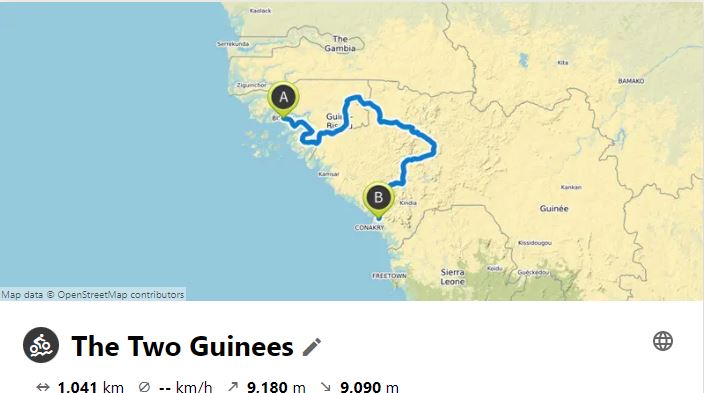
The Two Guineas route is a huge jump in another world. An ancient world, of endangered traditions and cultures.
DISTANCE
1040 km / 646 miles
DAYS
14
SURFACE
85% Dirt, 15% Paved
SETUP
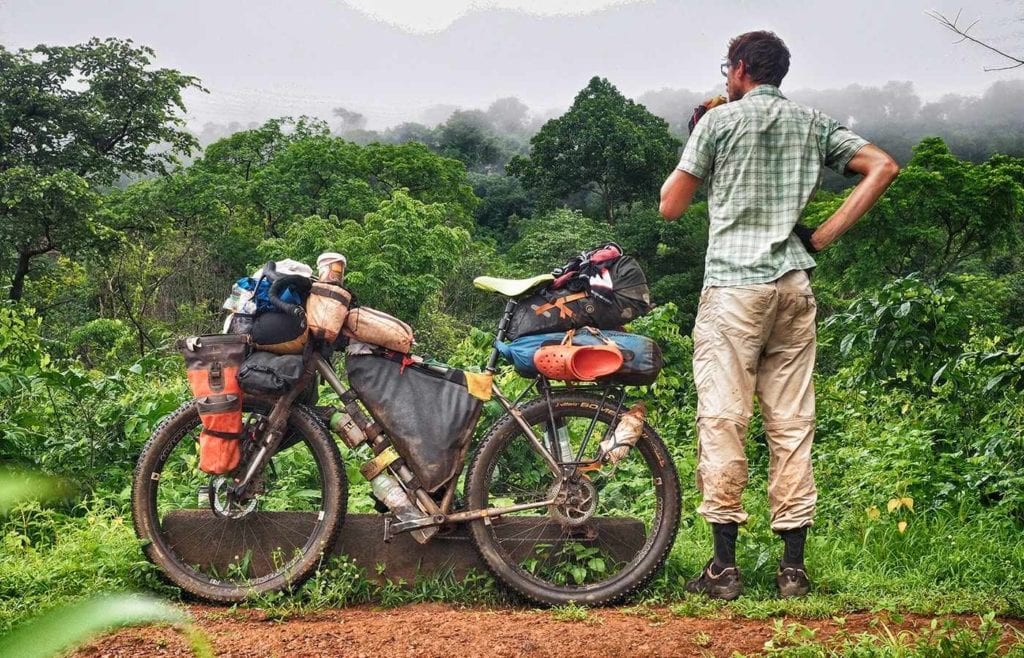
Frame bag – Porcelain Rocket
Saddle pack – Ortlieb
Bar pack – Revelate, Sea to Summit
Cargo cages – Salsa
Top tube bag – Alpkit
Stem bags – Alpkit, Revelate
BIKE
Salsa Fargo 2017
The route will take you on a true exploration of this rarely cycled West African corner, between Guinea-Bissau and Guinea.
Ancient rural settlements, unchanged for centuries and far from any kind of comfort, host a terribly hospitable population, and a meeting with them could alone be worth the price of the ticket!
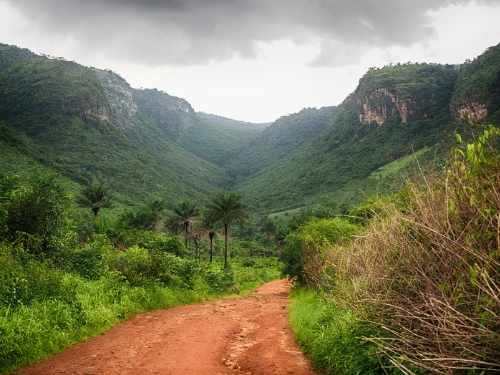
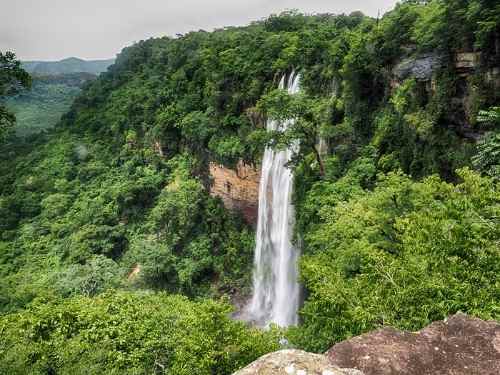
The Dulombi-Boe National Park is a leap in time. For most of the way, you will have the impression of being catapulted into a prehistoric world; expect a dinosaur to jump out at any moment. Nonetheless, the crossing of the Fouta Djallon massif will reward lovers of breathtaking views.
In the capital, Bissau, you can try some local delicacies. The tradition here mixes with Portuguese culinary culture, with excellent results.
Seafood is almost always excellent (I recommend trying the Siga). In rural areas, the cuisine is much more basic. At roadside restaurants, you can still find fried fish and chicken, but the dishes are usually served with rice or polenta.
If you come across a market, take advantage of it, because local shops sell a few useful products (spaghetti, tomato paste, canned sardines, etc.).
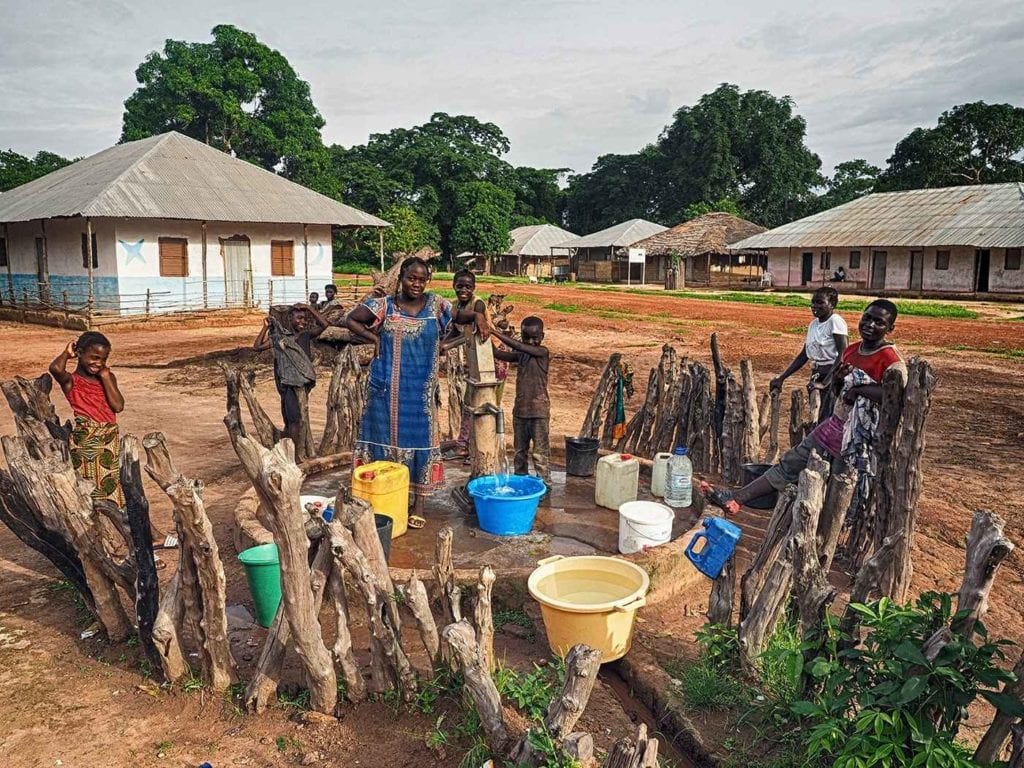
Guinea Conakry cuisine is generally more monotonous. Rice with beans has been the main dish for several days. Water is available in every village. Ask to point you to the well. For an unaccustomed organism, I recommend treating the water before drinking it, even though it is generally of decent quality. Oh, don’t forget to taste the palm wine, produced in many of the rural areas you’ll pass through.
Accommodation is possible in larger villages and towns (Bissau, Gabù, Labè, Pita, Conakry… Basic prices start from 5-10 €.
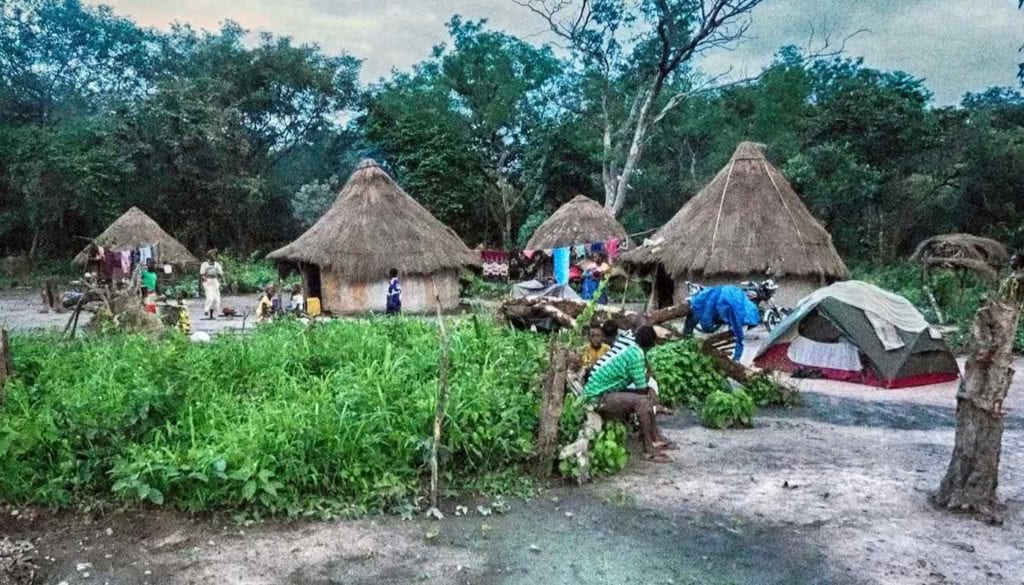
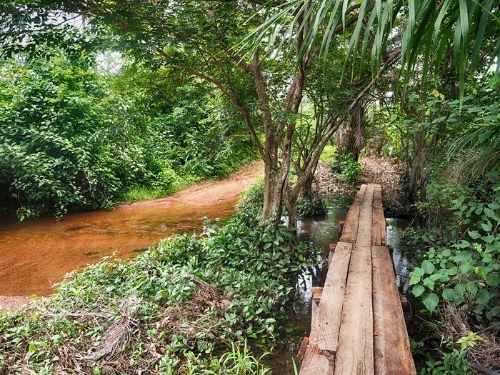
There are no campsites. Free camping is tolerated (remember #leavenotrace), even if the most intense experience will be lived by staying with the locals for the evening.
Approach them with the utmost respect and ask to speak with the village Chief. He will often be happy to accommodate you. You could offer him a small tip in exchange for his kindness.
1. Getting to the route start:
There are daily flights from Lisbon to Bissau; a two-hour ferry from the Bissau port will bring you to the cycling official start in Enxude. Schedule is subject to tides; ask at the ferry office on Avenida 3 de Agosto. Usually, one ferry per day, in the morning, leaves from the port.
2. Visas:
Both Guinea and Guinea-Bissau require a tourist visa for almost all non-ECOWAS countries. The exit bureaucracy from Guinea Bissau can be handled at the police station a few kilometres east of Gabu, where the asphalt is abandoned.
3. When to ride:
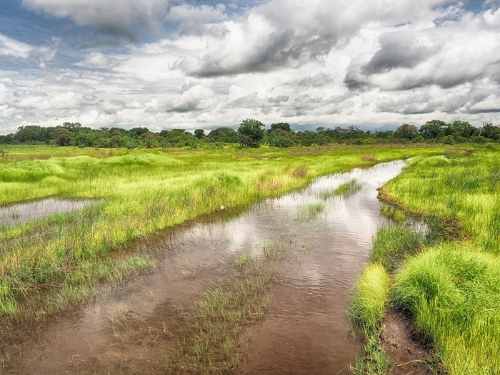
The hottest period runs from February to May. The rainy season runs from June to mid-October; in particular, torrential rains occur in July and August, when it rains almost every day. The rains are usually violent thunderstorms of short duration, interspersed with the sun. It’s a cooler period, but rain can ruin the roads.
4. Direction to ride:
The itinerary has been travelled west/east. No particular constraint if you want to reverse the direction.
5. Mechanicals:
There aren’t any bike shops along the route, except for some small, side-of-the-road repair shops. Unfortunately, they don’t generally have the experience or the tools necessary (someone said ‘hammer’?!). So come prepared. Going tubeless is a good option, but bring some spare tubes and patches.
6. Health:
mainly in the wet season (June-October) the risk of contracting malaria is high. Evaluate with the doctor the possibility of prophylaxis. Careful prevention of bites is the most effective defence. Some health centres may be found along the route, offering basic services and malaria testing. Water purification systems are highly recommended.
7. Safety:
At the time of my passage (July ’18), the political situation was stable. Provide appropriate information about any political/social developments that could undermine safety and cycle touring insurance coverage: the English government website and the French one are reliable sources. Only the dangerous section for the traffic may be in the last 40 km and the city of Conakry. Almost 40km long, the city’s inhabitants drive rather aggressively and apparently without following the rules of the road. I suggest arriving in the city early in the morning to avoid the bulk of traffic and to have time to reach your destination. Conakry is huge!
THINGS TO SEE ALONG THE ROUTE
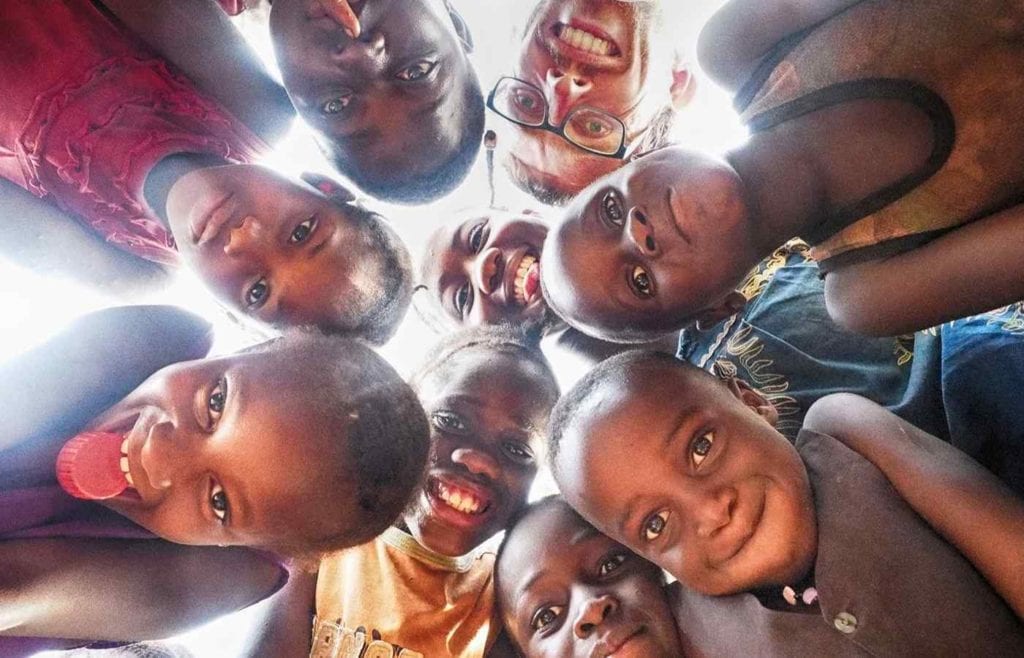
- – Diving in the Fula, Mandinka, and Soussou ethnic groups. Their traditions and their human warmth;
- – The Dulombi-Boe National Park;
- – crossing the river frontier onboard a wooden canoe will make you feel in ancient times;
- – the incredible Fouta Djallon in Guinea, with its waterfalls and the many trekking possibilities, for an off-the-bike day;
- – overnight stay in rural villages, with curiosity and smiles of the locals; – the colonial buildings of Bissau and their “ancient” charm.
Cycling Guinea-Bissau and Guinea Bissau – Filippo’s Blog
The itinerary was covered for the first time as part of a journey through Africa. It hasn’t been studied before, but it has developed in my mind and on paper over the past few days.
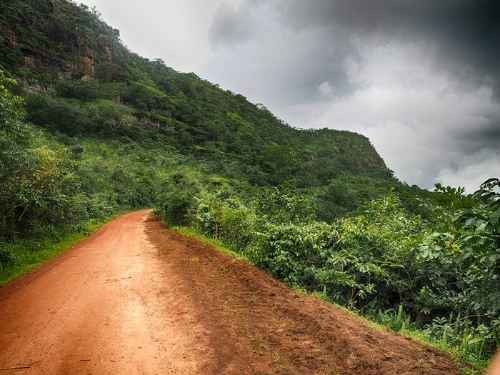
It was also traveled during the rainy season, so some tracks were impassable, and I therefore had to follow asphalted roads. However, the possibilities of keeping the wheels on clay are many, since the asphalted roads can be counted on the fingers of one hand.
For those who have more time, I suggest a detour east of Guinea-Conakry, in the direction of the Upper Niger National Park and beyond, to Nzérékoré and the Mount Nimba Nature Reserve.
I’d like to conclude with an extract from my book: “All’orizzonte un toubabou”, Guinee Bissau chapter:
“None of them speaks Portuguese or French. In this corner forgotten by God, however, I found a family who welcomed me as if I were their son, intrigued, they helped me set up the tent, they taught me to grind millet in the mortar in the most efficient way. Three of us around the mortar, with a large pestle we beat the cereal, one stroke each, chopping it up. A boy starts music from his mobile phone, and the act of preparation turns into the funny mortar dance. Younger children will laugh at the white man who goes absolutely out of time, slowing down the preparation of dinner.”
Filippo Graglia – “All’orizzonte un toubabou”

FILIPPO GRAGLIA
Filippo was born in Torino in 1987. Here he studied and worked for twelve years. He discovered a great passion for cycling and the mountains, until a road accident arrived at the right time and directed his life onto the saddle for the next two years. Between 2018 and 2019, he completed the crossing of Africa along the west coast.
FACEBOOK: AroundAbout
INSTAGRAM: Filippo Graglia
Cycling Through Africa in a Book: All’orizzonte un Toubabou