

Last Updated on 13 January 2026 by Cycloscope
The very best cycle touring battery packs and power banks for bikepacking. Reviewed and compared
Whether you’re bikepacking, backpacking, or cycle touring, having a reliable source of energy to keep your electronic devices charged is essential.
Disclosure: Some of our articles contain affiliate links. This comes at no additional cost for you and helps us keep this website up and running. (as Amazon Associates we earn commission from qualifying purchases)
How we compile our gear guides: during the almost 10 years of cycloscope.net our team personally tested dozens of similar pieces of gear. For what we can't test personally, we involve other people in the cycling community to give their feedback and opinion about gear they have used. Our decade-long experience in bicycle touring enables us to find the key cons and pros of every product we mention.

From long-lasting battery life to rugged durability, these power banks will keep you powered on the go, enabling you to capture memories, navigate unfamiliar terrain, and stay connected with peace of mind for days!
The 4 Best Power Banks for Bikepacking, Backpacking, and Cycle Touring
Anker 737 Power Bank / 24,000 mAh
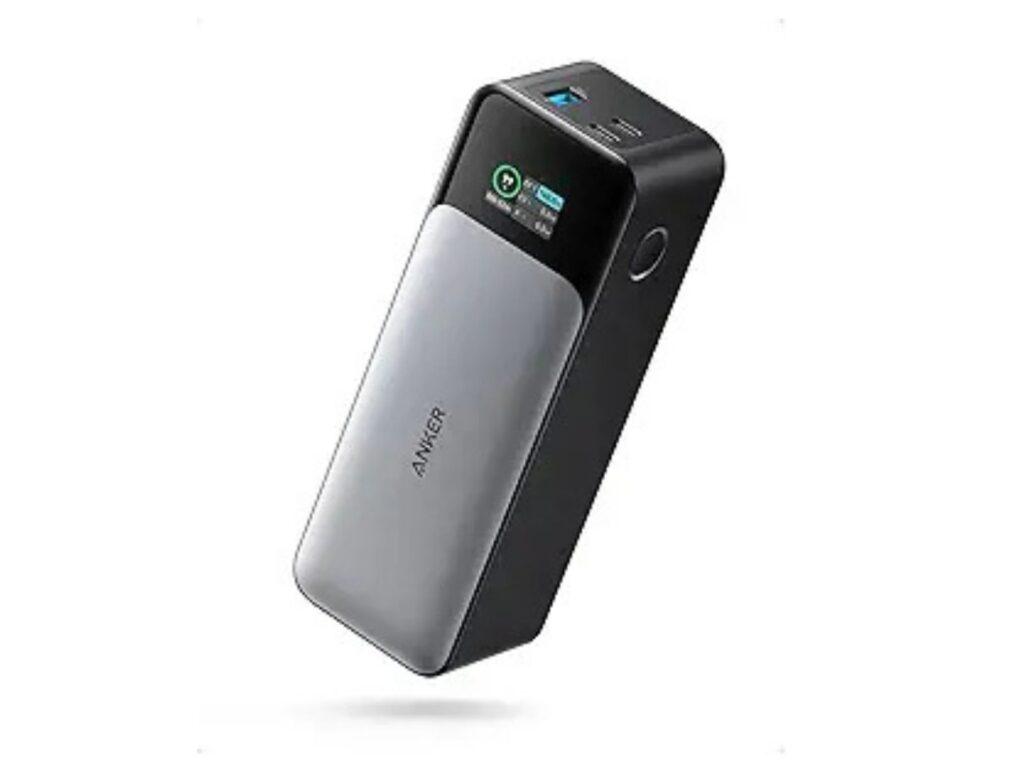
The Anker 737 Power Bank is a high-capacity, premium option designed for riders who need dependable power on long bikepacking trips.
With its large 24,000 mAh capacity, it’s well-suited to charging multiple devices, such as smartphones, GPS units, bike lights, cameras, and even laptops, over several days without access to the grid.
Its fast USB-C Power Delivery output allows quick recharging of power-hungry devices, while the built-in digital display helps monitor remaining battery life and power usage — a useful feature when managing energy in remote areas.
Although it’s heavier than minimalist power banks, the Anker 737 stands out for its reliability, strong build quality, and consistent performance, making it a solid choice for bikepackers who prioritize power and versatility over ultra-low weight.
INIU Pocket Power 20K Portable Power Bank
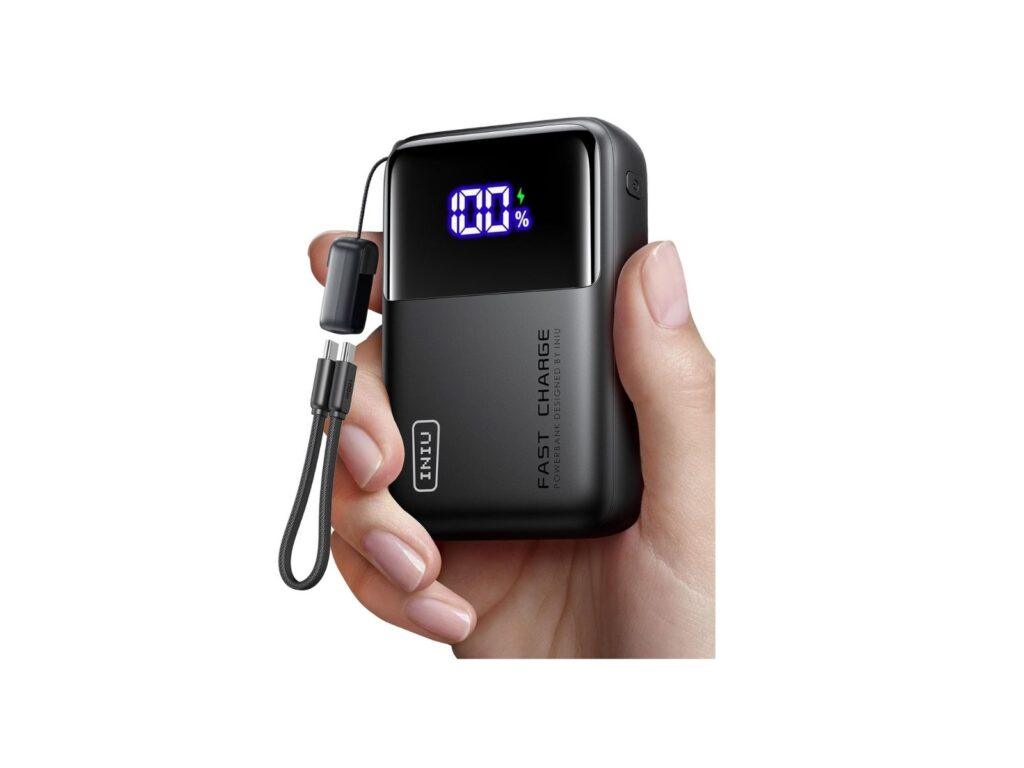
A compact and practical option for bikepackers who want reliable mid-range capacity without a lot of bulk.
With around 20,000 mAh of battery capacity, this power bank can recharge smartphones, GPS devices, lights, and other essentials multiple times on the trail, making it a useful companion for multi-day trips.
Its built-in USB-C cable eliminates the need to carry extra cords, and the inclusion of both USB-C and USB-A ports enables simultaneous charging of multiple devices.
Users report that it’s lightweight and easy to carry, with fast enough output for everyday gear and a clear display of remaining charge — a feature that’s especially handy when you’re out in remote areas and need to manage your power carefully.
Anker Laptop Power Bank
A top-tier high-capacity power bank built for bikepackers who need serious, multi-device charging on the trail. With a 25,000 mAh (90 Wh) battery that stays under the airline carry-on limit, this unit can keep phones, GPS units, lights, and even laptops charged through long rides or remote campsites.
Its 165 W total output and up to 100 W per USB-C port means you can fast-charge power-hungry gear like tablets and laptops while still topping up smaller devices, and it includes built-in retractable USB-C cables so you don’t have to pack extra cords.
The smart digital display provides real-time info on battery level, output power, and temperature, helping you manage power efficiently on multi-day journeys.
While heavier than lightweight phone chargers, this Anker option shines for bikepackers who ride with a mix of tech and want reliable, high-speed power without fuss.
UGREEN power bank
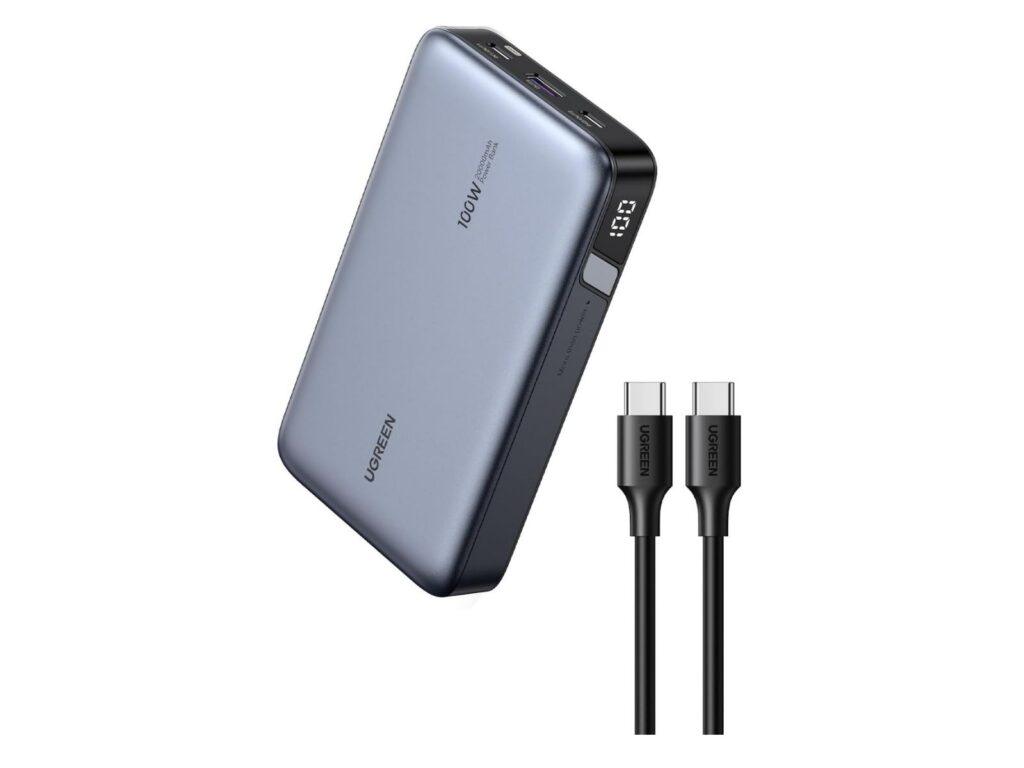
A solid all-around choice for bikepackers who want balanced capacity and modern charging performance in a single portable unit.
With ~20,000 mAh of power and up to 100 W USB-C fast charging, it can quickly and reliably recharge phones, tablets, camera batteries, GPS devices, and other essentials on multi-day rides.
The compact design makes it easy to stash in a handlebar bag or seat pack without adding too much bulk, and its multiple output ports let you charge more than one device at once, which is handy after a long day of riding.
The digital display gives you a clear view of remaining battery life so you can manage your energy wisely on the trail.
While not the highest-capacity power bank out there, this UGREEN model strikes a good balance of portable size, fast charging, and everyday usefulness for most bikepacking setups.
Benefits of a High-Quality Power Bank
- Convenience: High-quality power banks provide on-the-go charging for devices, eliminating the need to search for power outlets or rely on sporadic charging opportunities.
- Portability: Power banks are lightweight and easy to carry on outdoor adventures, providing a reliable power source wherever you go.
- Connectivity: By keeping your communication devices, such as smartphones or radios, charged and operational, a power bank ensures you stay connected with fellow adventurers and can reach out for help in emergencies.
- Peace of mind: Knowing you have a reliable power source with you provides peace of mind during outdoor adventures, ensuring you can charge your devices and stay connected when needed.
However, if you prefer using solar panel chargers for bikepacking and bike touring, check out our blog here.
Key Considerations for Choosing the Best Power Bank for Bikepacking
If you have read it till here, then you’re convinced! The next step is selecting the right power bank for your outdoor adventures and considering several factors that can make a significant difference in ensuring a reliable, efficient charging experience. Here are the factors you should keep in mind:
- Battery Capacity: Extended trips require power banks with sufficient capacity to keep your devices charged.
Assess your energy needs by considering the battery capacities of your devices and the duration of your adventure.
Opt for power banks with higher capacities, such as 10,000mAh or more, to ensure multiple charges and longer battery life without compromising performance.
Common smartphone battery capacities typically range from 2,000mAh to 4,000mAh, although some high-end smartphones may have larger capacities. The capacity of a power bank is usually measured in milliampere-hours (mAh).
To determine how many times you can charge your device with a power bank, you can use the following rough estimate:
(Number of power bank mAh) / (Smartphone battery mAh) = Number of full charges.
For example, if you have a power bank with a capacity of 10,000mAh and a smartphone with a battery capacity of 3,000mAh:
10,000mAh / 3,000mAh = 3.33 (approximately)
In this case, you can expect to get about 3 full charges from the power bank. However, note that there are energy losses during charging, so the actual number of full charges may be slightly lower.
- Portability and Weight: Outdoor enthusiasts value lightweight and compact gear that doesn’t weigh them down.
Look for power banks that strike a balance between power and portability. Compact designs that easily fit in your backpack or pocket will make a significant difference in your overall packing and carrying experience.
Check out our post for other essential gear to carry on your next backpacking and cycle touring here.
- Durability: Outdoor conditions can be harsh, ranging from extreme temperatures to rough handling. Choose power banks built to withstand these challenges.
Look for rugged designs with features like shock resistance, water resistance, and dust proofing.
This way, your power bank can handle the elements and accidental drops, ensuring it remains functional throughout your journey.
- Charging Capabilities: Ensure your power bank is compatible with the devices you plan to charge.
Search for power banks with multiple USB ports and different charging outputs to accommodate various devices simultaneously.
You should also consider power banks with fast-charging capabilities, such as Quick Charge or Power Delivery, which can significantly reduce charging time for your devices.
Buying Guide For Cycling Power Banks
Several factors to consider when choosing the right power bank for your needs are outlined below. Read on and make an informed decision.
- Assessing the quality and reliability of a power bank is crucial. Look for reputable brands known for producing reliable products. Check for safety certifications and features such as overcharge protection and short-circuit prevention.
- Understanding the technical specifications is equally important. Pay attention to the battery capacity, measured in mAh, which indicates how much charge the power bank can hold. Consider the number and type of output ports, charging speed, and compatibility with your devices.
- Customer reviews and feedback offer valuable insights into the power bank’s performance and durability. Look for reviews from users who have similar devices or usage scenarios to get a better idea of its reliability.
- Budget is an important consideration. Compare prices among different brands while considering the features and quality they offer. Strike a balance between your budget and the value-for-money the power bank offers.
Power Saving Tips For Outdoor Cycling Adventures
Managing power usage and extending your devices’ battery life is crucial on adventurous trips.
Here are some power-saving tips to help you make the most out of your power bank and stay connected in the great outdoors.

1. Maximizing power bank efficiency and extending battery life starts with choosing a power bank with a high capacity and efficient charging technology.
Look for power banks with features like smart power management and automatic power-off to conserve energy.
2. Prioritize device charging and usage by focusing on essential functions and apps. Close unused apps, lower screen brightness, and disable unnecessary notifications to reduce power consumption.
3. Utilize power-saving modes and accessories available on your devices. Enable power-saving modes that optimize performance and limit background activities.
Additionally, consider using power-saving accessories like solar chargers or energy-efficient LED lights.
Why Do You Need the Best Power Banks for Bikepacking?
One of the most common hurdles encountered when bikepacking is the limited availability of power sources to charge your essential devices.
Remote locations, extended periods away from civilization, and unpredictable weather conditions make it difficult to rely on traditional power outlets.
Imagine capturing stunning landscapes with your cycling camera or relying on GPS navigation to find your way, only for your devices to run out of battery at the most inconvenient times.
We have seen it happen to ourselves quite a few times during our many bike touring adventures, and it can be frustrating! But it can also potentially impact your safety or enjoyment of the journey.
That’s where a high-quality power bank becomes an indispensable companion, ensuring you have a reliable source of power whenever you need it.
PRO TIP: For total freedom and independence from power outlets, combine a good power bank with the best solar panel chargers!
Frequently Asked Questions
Now let’s address the most commonly asked questions about power banks for bikepacking.
How to charge your phone while riding a bike?
You can use a bike phone mount with a built-in charger or attach a portable power bank to your bike.
How to charge a mobile with an e-bike battery?
To charge your mobile phone with an e-bike battery, you can use a USB adapter that connects to the bike’s battery and charges your phone via a USB cable.
Can a dynamo charge a power bank?
Yes, a dynamo can charge a battery by converting mechanical energy from the bike’s movement into electrical energy, which can be stored in the battery for later use.
Wrap-Up – What’s the best cycling power bank for bikepacking?
A reliable power bank is a crucial companion for bikepacking, backpacking, and cycle touring adventures. It ensures you stay connected, powered, and prepared for any situation on the go.
We have explored the challenges of charging devices in remote locations and the benefits of a high-quality power bank for convenience and peace of mind.
When selecting the best power bank for your individual needs, consider factors such as battery capacity, portability, durability, and charging capabilities.
Assessing customer reviews and feedback can provide valuable insights. Keeping budget and value for money in mind is also essential.
Moreover, the right power bank can provide you with an uninterrupted power supply, allowing you to capture breathtaking moments, navigate with GPS, and stay connected with loved ones.
So, choose wisely and embark on your adventures with the confidence that your devices will stay powered on the go.