

Last Updated on 21 April 2026 by Cycloscope

How to choose the right bike for bikepacking and camping trips with expert tips on terrain, comfort, tyres, and gear. Discover whether a mountain or gravel bike suits your adventure best.
Bikepacking has completely changed the way I experience the outdoors. Over the past 10 years
of riding, testing, and travelling with different setups, I’ve learned that choosing the right bike is
the single most important decision you’ll make before heading out on a camping trip.
Disclosure: Some of our articles contain affiliate links. This comes at no additional cost for you and helps us keep this website up and running. (as Amazon Associates we earn commission from qualifying purchases)
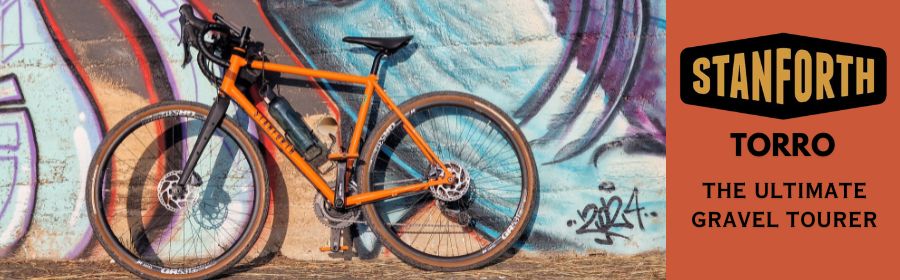
The wrong bike can turn an adventure into a struggle, while the right one makes everything smoother, more enjoyable, and far more efficient.
In this guide, I’ll walk you through exactly how I choose the right bike for bikepacking and
camping trips—based on real-world experience, not just theory.
Understanding Your Terrain First
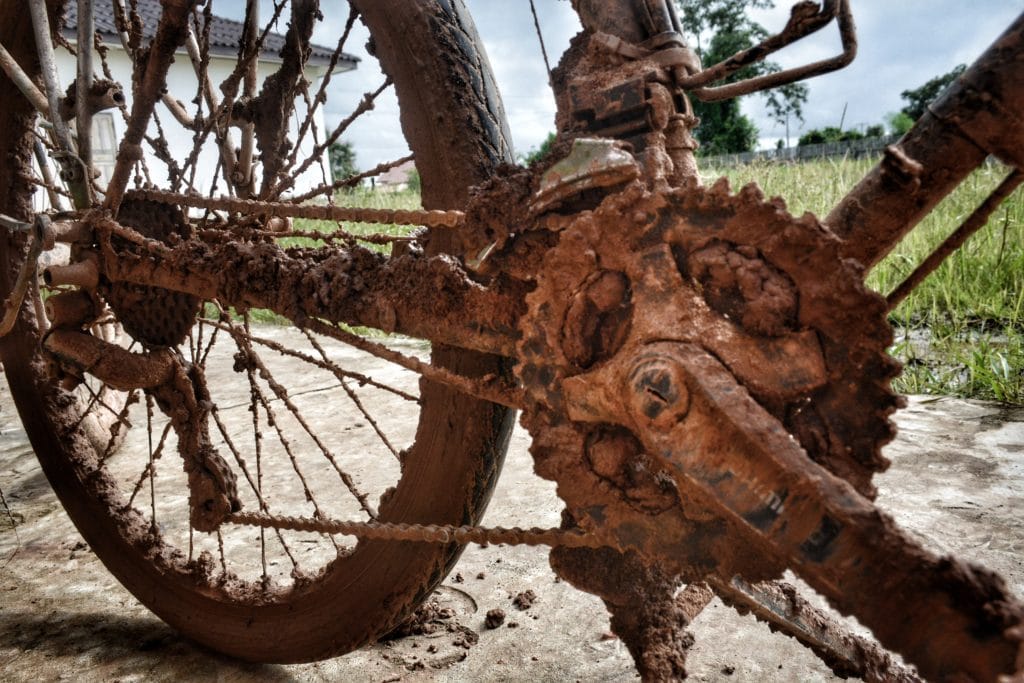
Before even thinking about brands or components, I always start with one question:
Where am I riding? Your terrain will determine everything.
● Smooth roads / light trails → go for speed and efficiency
● Mixed terrain (gravel, dirt, pavement) → versatility matters
● Rough trails/mountains → durability and control are key
From my experience, most beginners make the mistake of choosing a bike based on looks or
trends. But for bikepacking, it’s all about matching the bike to the terrain.
Mountain Bike vs Gravel Bike: Which One Do You Need?
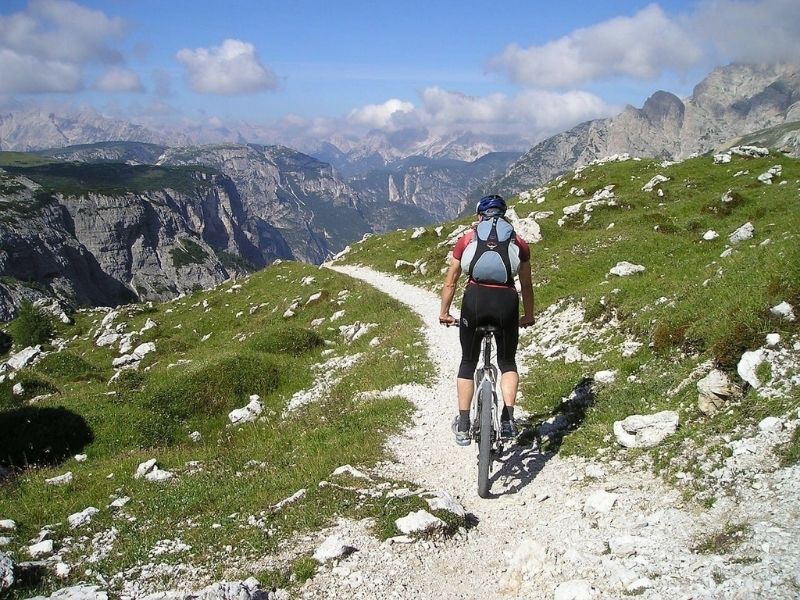
This is probably the most common question I get.
Mountain Bike (Best for Rough Terrain)
If your route includes:
● rocky trails
● steep climbs
● forest paths
● technical terrain
I always recommend a mountain bike. Why? From experience, mountain bikes give you:
●better suspension (more comfort on long rides)
● stronger frames (handles heavy gear better)
● wider tyres (better grip and stability).
Personally, I prefer a hardtail mountain bike for bikepacking—it’s simpler, lighter, and easier to
maintain compared to full suspension.
Gravel Bike (Best for Mixed Adventures). If your route is:
● long-distance
● mixed terrain
● mostly gravel roads or pavement
Then a gravel bike is usually the better choice. From my rides, gravel bikes offer:
● faster rolling speed
● better efficiency on long distances
● lighter overall weight
They’re perfect for riders who want to cover more ground without sacrificing too much off-road
capability.
Frame Geometry and Comfort Matter More Than You Think
One thing I learned the hard way: comfort beats speed on long trips.
When you’re riding for hours—or even days—small discomforts turn into big problems.
Look for:
● relaxed geometry (not too aggressive)
● proper frame size (this is critical)
● multiple hand positions (especially on gravel bikes)
If the bike feels uncomfortable after 30 minutes, it will feel unbearable after 5 hours.
Gear Mounts and Bikepacking Compatibility
Not all bikes are built for bikepacking. When I choose a bike, I always check for:
● frame mounts (for bags, bottles, racks)
● fork mounts (extra storage options)
● clearance for wider tyres
More mounting points = more flexibility.
This becomes crucial when you’re carrying:
● camping gear
● tools
● food
● water
A clean setup makes a huge difference in balance and handling.
Tyres: The Unsung Hero of Bikepacking
Most people underestimate tyres—but I don’t.
Your tyres affect:
● comfort
● speed
● grip
● safety
My general rule:
● Mountain bike → wider tyres (2.2”–2.6”)
● Gravel bike → mid-width tyres (35mm–50mm)
Wider tyres = more comfort and control
Narrower tyres = more speed
Always match your tyres to your terrain.
Gearing and Load Capacity
When you’re carrying camping gear, your bike becomes heavier—and you’ll feel it, especially on
climbs.
That’s why I always recommend:
● wide gear range
● reliable drivetrain
● strong wheels
If you’re climbing hills with a loaded bike, you’ll thank yourself for choosing the right gearing.
Budget vs Quality: Where to Invest
You don’t need the most expensive bike—but you do need a reliable one.
From my experience, I always prioritise:
- Frame quality
- Drivetrain reliability
- Brake performance
Everything else can be upgraded later.
If you’re just starting, browsing a trusted retailer like BikesOnline can help you compare
different bike setups based on your riding style, terrain, and budget.
My Personal Recommendation (After 10 Years Riding)
- If you’re unsure, here’s my simple advice:
● Choose a mountain bike if your adventure is rough, technical, or off-grid
● Choose a gravel bike if your trip is long-distance and mixed terrain
If I had to pick one for versatility?
I’d go with a gravel bike with wider tyres.
It’s the best balance between speed and capability.
Final Thoughts
Choosing the right bike for bikepacking isn’t about trends—it’s about function, comfort, and
reliability. From everything I’ve experienced over the years, the best bike is the one that:
● matches your terrain
● fits your body
● supports your gear
● keeps you comfortable over long distances
Get those right, and your bikepacking trips will feel less like a challenge—and more like an
adventure you’ll want to repeat again and again.
Author Bio
I’ve been riding and working with bikes for over 10 years, specialising in mountain bikes, gravel
bikes, and long-distance cycling setups. My experience comes from hands-on riding, testing
different bikepacking configurations, and helping riders choose the right bikes for their
adventures. I focus on practical, real-world advice that helps both beginners and experienced
cyclists ride smarter, safer, and further.