

Last Updated on 9 June 2026 by Cycloscope
Finding a dentist while bikepacking is easier than you think. How to deal with toothaches, lost fillings, and other dental emergencies while traveling.
A dental emergency in the middle of a bikepacking route is one of those scenarios you never think to prepare for — not because it’s unlikely, but because it doesn’t fit neatly into the narrative of adventure. Mechanicals, weather, saddle sores: those are the expected plot twists.
Disclosure: Some of our articles contain affiliate links. This comes at no additional cost for you and helps us keep this website up and running. (as Amazon Associates we earn commission from qualifying purchases)
We can say, especially Daniele, that we’ve been to the dentist on almost every continent. At first, we were a little worried about hygiene standards, but we have to say we’ve never had a bad experience.
In fact, the most negative experiences have always been in Italy, where seeing a dentist requires taking out a mortgage, and for some reason, they seem to think they belong to some kind of special caste.
There are, however, some places where you need to be more careful. In countries known as budget dental destinations — like Albania, where you’ll literally find a clinic in every building — it’s worth doing some research before walking into a random dentist.
Why Bikepacking Makes Teeth Vulnerable
There are a few reasons dental issues flare up more often on long multi-day rides than you might expect.
Dehydration is the most underappreciated one. Saliva is your mouth’s natural defence system — it neutralises acids, remineralises enamel, and keeps bacteria in check. When you’re grinding out eight-hour days in the heat and running on energy bars and electrolyte tablets, saliva production drops, and your mouth becomes a more hostile environment. Old fillings crack under stress; pre-existing issues that were dormant at home suddenly have room to express themselves.
Then there’s the diet. Bikepacking nutrition is high in sugars, often sticky, and rarely conducive to proper brushing. Trail mix, gels, dried fruit, whatever you grabbed from the last village shop — these are the staples of the sport, and your teeth register every one of them.
Finally, there’s the simple fact that most bikepackers ride through rural and remote areas where the nearest dental clinic might be a two-hour detour down a road you’ve already mentally erased from the route.
Before You Start Your Bikepacking Trip
- Schedule a dental check-up before long expeditions.
- Replace old fillings if they’re already showing wear.
- Consider a professional cleaning.
- If you grind your teeth, carry a night guard.
- Pack a small dental emergency kit.
What to Carry: The Dental Mini-Kit
A few grams of preparation can save a trip. Most bikepackers already carry a first-aid kit; a small dental supplement takes almost no space and weighs next to nothing.
Dental cement or temporary filling material (sold over the counter under brand names like Dentemp or Cavit) is the single most useful item. If a filling falls out or a crown comes loose, this buys you days — sometimes enough to finish your route before addressing the real problem. It’s available in most pharmacies and takes about thirty seconds to apply.
Honestly, I wouldn’t recommend using it casually. In our experience, it’s rare to be so far from a dentist that you actually need one. However, having it with you can be a good option, especially if you’re traveling through countries where dental care is very expensive, and you want to buy some time before seeing a professional.
Oil of cloves (eugenol) is an old-fashioned remedy that genuinely works for acute pain. A small bottle, a few cotton pellets — dabbed onto the affected tooth, acts as a topical anaesthetic. It doesn’t fix anything, but it can get you through the night.
Standard painkillers — ibuprofen in particular, which has both analgesic and anti-inflammatory properties — are already in most kits, but worth flagging specifically for dental pain.
A folding toothbrush and floss are obvious, but on multi-day tours, the brushing routine is often the first casualty of exhaustion. Don’t let it be.
Finding a Dentist on the Road
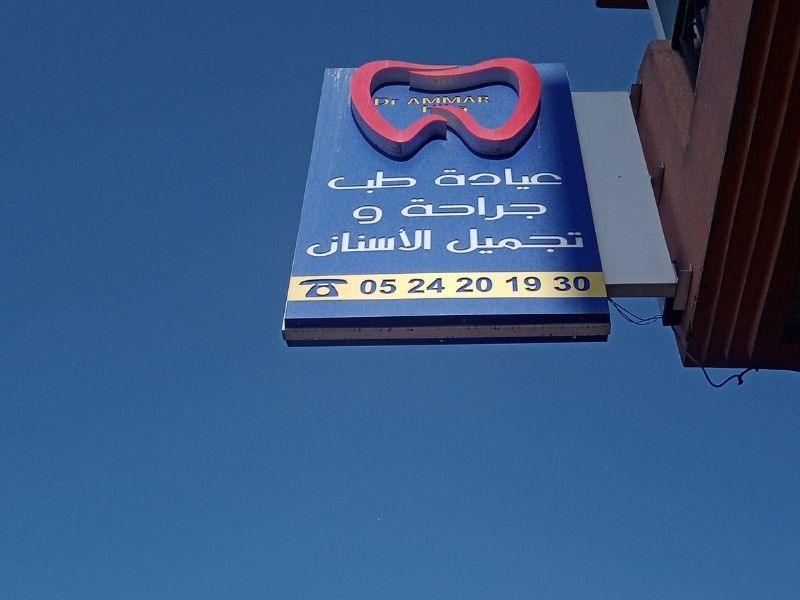
If the temporary fix doesn’t hold and the pain is escalating, you need to find a dentist. This is less difficult than it sounds, even in unfamiliar places.
Use Google Maps offline. Before you leave home, download the offline maps for your entire route region. Dental clinics, pharmacies, and hospitals are all searchable even without a data connection once the area is cached.
Pharmacists are underrated first stops. In most European countries, a farmacia or pharmacie can sell you temporary dental materials, recommend appropriate painkillers, and — crucially — tell you where the nearest dentist is and whether they’re likely to take a walk-in. They’re often more accessible than a clinic and can bridge the gap.
Emergency dental care is more available than you think. Most towns of any size have a dentist willing to see urgent cases the same day, especially if you explain the situation clearly.
Translation apps work well for dental vocabulary. The words you need — toothache, filling, crown, infection — are simple enough that even a basic translation handles them accurately. Don’t let a language barrier stop you from seeking help.